





Where does the human element go in an AI-driven classroom?
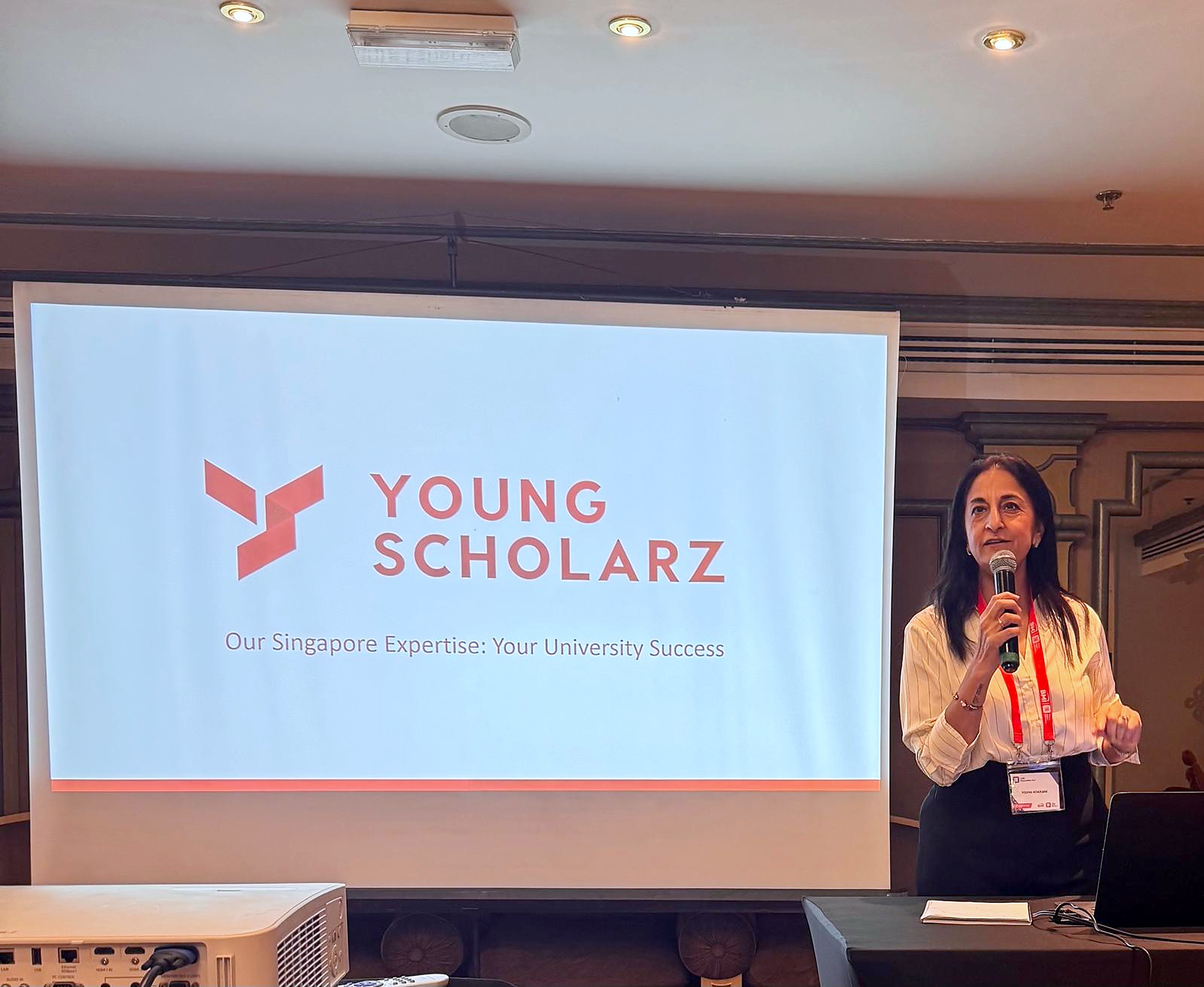
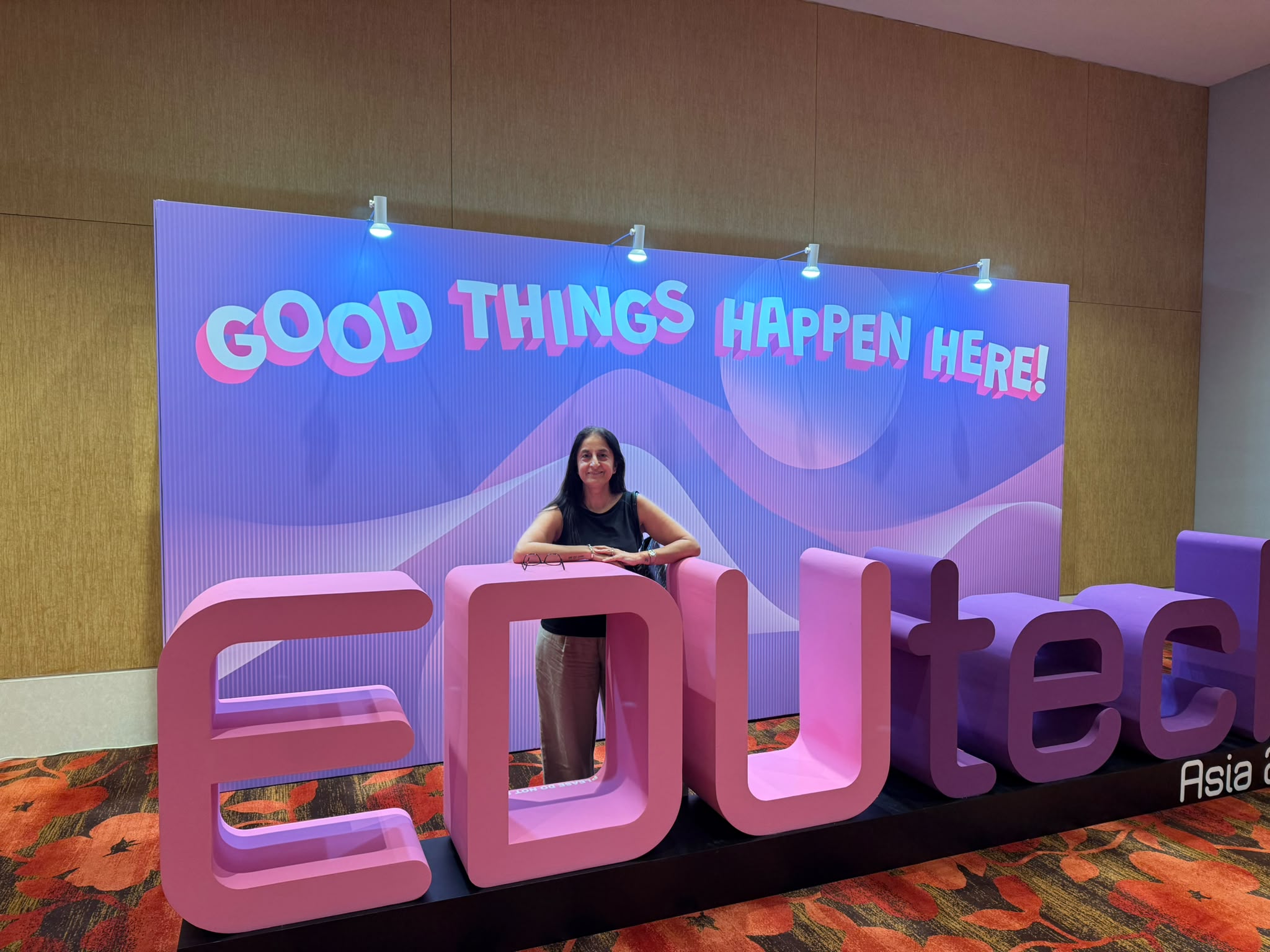
I spent today wandering the EDUtech Asia at Marina Bay Sands. Almost every stand had the same promise: AI that marks, reminds, tracks and personalises. And almost every one added the same reassurance: “We keep the human element.”
I came away thinking about what that actually means, and whether we are giving enough thought to what the human element in education really represents.
There is no question that AI has an important role to play in education. It can lighten the administrative load, assist with marking against rubrics, manage scheduling, send reminders and track student progress. These are tasks technology can perform efficiently, and I welcome the opportunities this creates. But after 18 years of teaching and advising IB and IGCSE students, I know that the most valuable parts of learning are rarely administrative.
It is the moment a teacher realises why a student is struggling, not just where they are losing marks. It is learning to wait your turn, listen to a classmate, put your hand up and disagree respectfully. It is the confidence that comes from having someone who believes in you, recognises your potential and notices when you have gone quiet.
These moments are difficult to quantify, let alone automate. A student’s performance in a test might tell us what they know, but it does not always tell us how they think, what is holding them back or what might inspire them to do better. A good teacher reads between the lines. They recognise when a student needs to be challenged and when they need encouragement. They adapt their approach, sometimes within the same lesson, because every student responds differently. This is where experience, empathy and professional judgement make an enormous difference.
A child can already log on, sit a self-marked test and follow a pre-planned course. What they cannot get from a screen alone is meaningful discussion, patience, intellectual challenge and genuine encouragement. These are not extras in education. They are fundamental to how young people develop the ability to think independently, communicate confidently and engage with different perspectives. They are also precisely the skills that the IB seeks to develop and assess through its oral components, Theory of Knowledge and Extended Essay.
I see the winners in education as those who use technology to remove administrative burdens so that teachers can spend more time with students, not less. The opportunity is to make teaching more effective, not to make teachers less necessary. The risk is that institutions begin choosing AI simply because it is cheaper or more scalable, quietly losing the very qualities that made them worth choosing in the first place.
Knowledge has always been passed on by someone in the room. As AI becomes the norm, I believe that will matter more, not less.
How are you balancing technology and the human touch in your classroom or business?