




Beyond Tuition: Why Education Must Evolve Into Lifelong Guidance
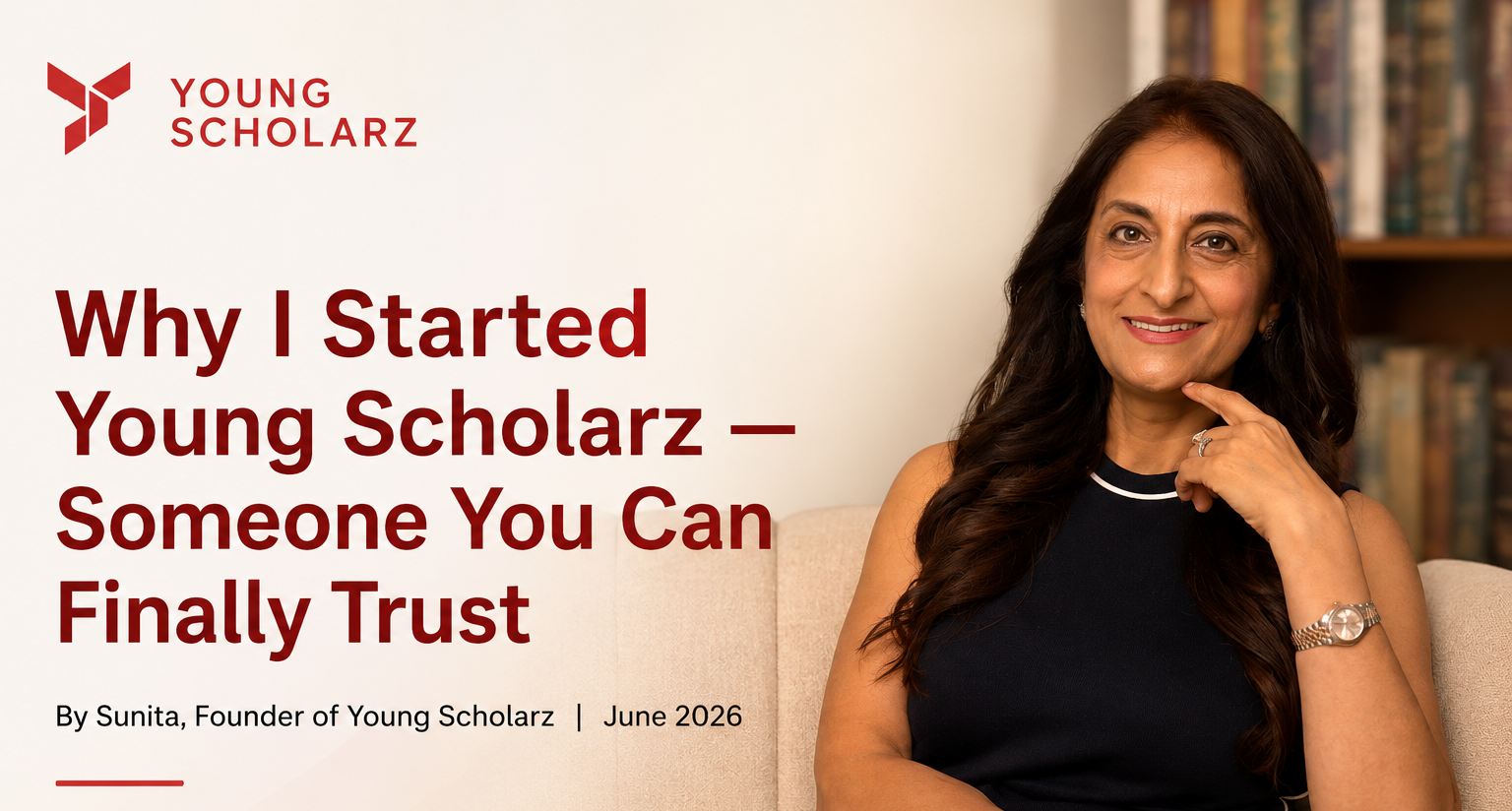
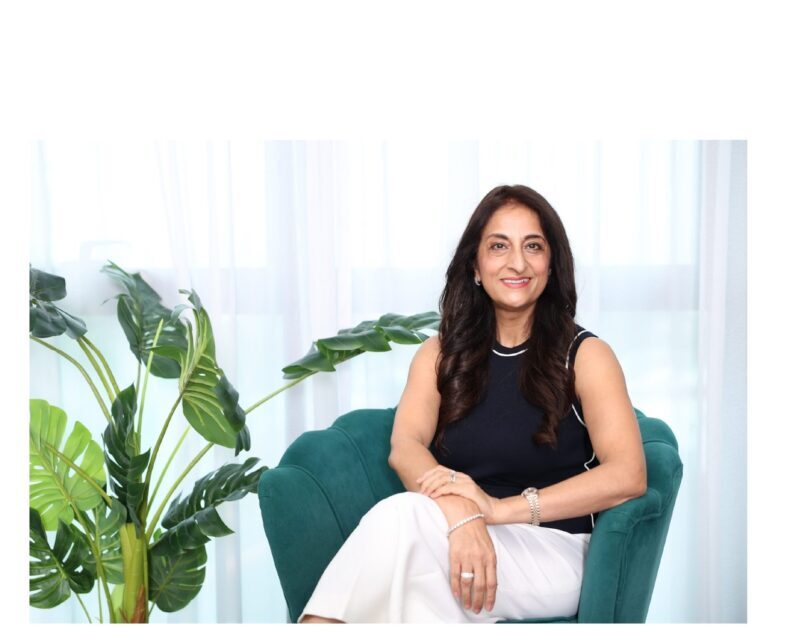
By Sunita Sharma, CEO of Young Scholarz
For nearly two decades, I’ve worked with students across Singapore and beyond — not just as an educator, but as a guide through some of the most defining years of their lives.
What began as a simple question “Can you teach me?” has grown into something far greater: a global network of over 90 educators, mentors, counsellors, and thousands of students who have passed through our ecosystem.
But through all these years, one truth has become increasingly clear: Education, as we know it, is no longer enough.
The Problem With “Tuition”
The word tuition has always felt limiting.
It suggests a transaction:
You come in, you learn, you leave.
But today’s students need far more than information.
They need direction, clarity, and confidence in an increasingly complex world.
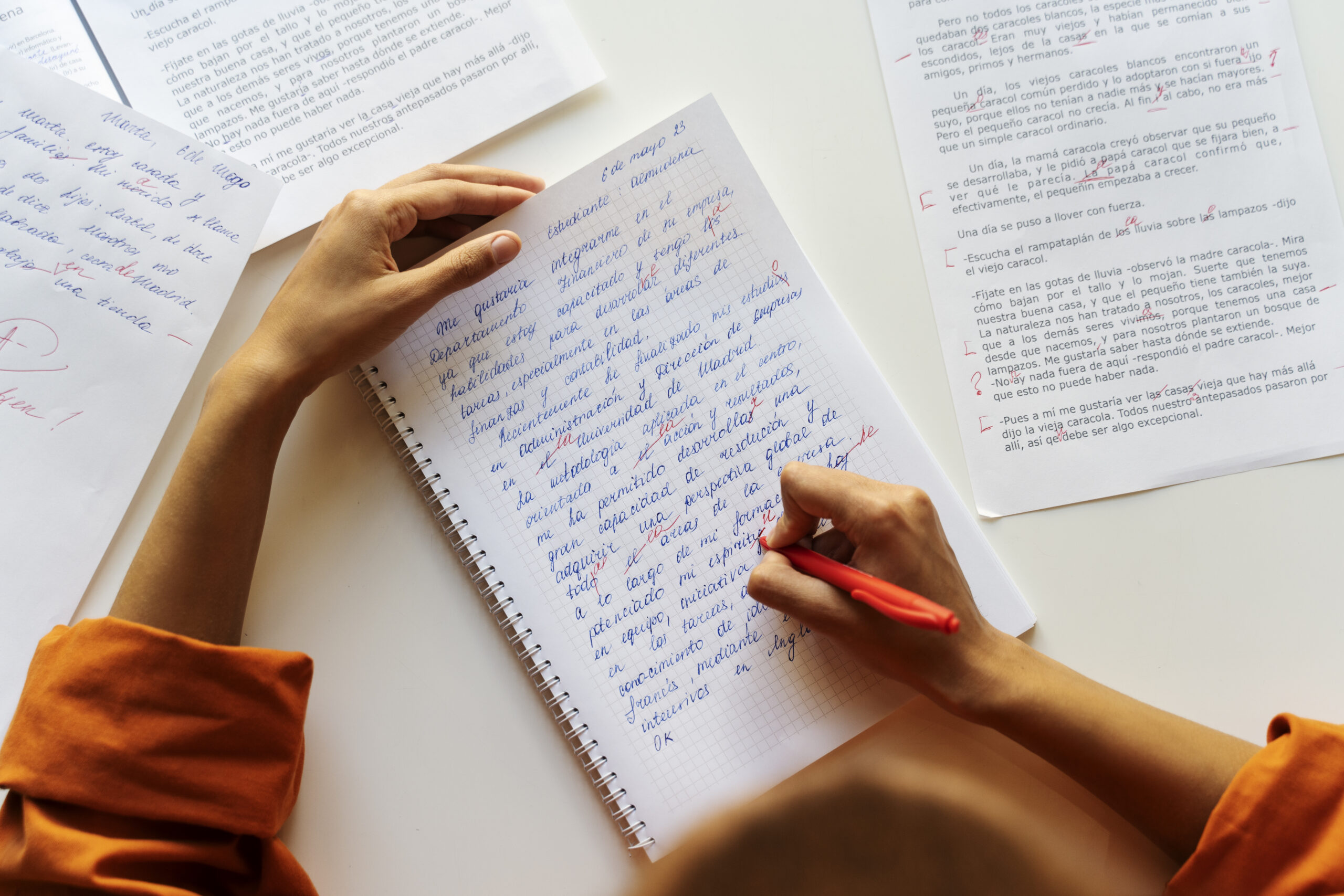
When I first started teaching English, I realised something surprising students weren’t struggling with the subject itself.
They were struggling with how to improve it. So I approached it differently.
Coming from a background in biochemistry and chartered accountancy, I applied structured, analytical thinking to something often seen as abstract. I broke English down into:
- Systems
- Frameworks
- Patterns
- Measurable improvements
And it worked. But more importantly, it revealed something deeper:
Students don’t fail because they lack ability. They fail because they lack structure, strategy, and guidance.
From Academic Support to Holistic Development
As I worked with more students, something naturally evolved.
A student would come in for English and stay for mathematics, economics, university applications, and beyond. What began as academic support became something far more comprehensive:
- Mentorship
- Counselling
- Career guidance
- Personal development
Because when you build trust with a student early, often as early as Grade 9, you don’t just help them pass exams.
You help shape their trajectory.
Today, that has evolved into an integrated model that includes:
- Global subject experts
- Mental health counsellors
- Industry mentors
- Alumni networks connecting students to real-world pathways
This wasn’t planned. It was necessary. Because education cannot exist in isolation from life.
Redefining Success in Education
We often define success in education by grades. But real success looks very different for every student. For one, it may be:
- A 44 in the IB
- Entry into a top university
For another, it may be:
- Passing key subjects
- Building confidence
- Discovering the right path
I’ve worked with students who began with failing grades and went on to thrive not by fitting into a mould, but by finding the one that suited them.
That is where real education happens.
What Innovation in Education Really Means
When people talk about innovation in education, they often think of technology. Platforms. Systems. Tools. But in reality, the most powerful form of innovation is far simpler:
Understanding.
- Listening deeply
- Recognising patterns over time
- Seeing beyond the syllabus
At Young Scholarz, we’ve built systems to track and support student progress. But those systems exist to enable something far more important:
Human intuition, informed by experience.
The True Measure of Success
If you ask me how I measure success, it isn’t grades.
Grades are expected.
The real measure is this:
When a former student, now in their late twenties, returns and says: “I’m stuck. Can you guide me?”
That trust, years later, is everything.
Because it means we didn’t just teach them how to pass an exam. We taught them how to think.
Education as Empowerment
One area especially close to my heart is female empowerment.
Through my work, I’ve supported young women across different backgrounds — including those from underserved communities — by providing:
- Exposure
- Mentorship
- Opportunities beyond their immediate environment
Because education should not just create success. It should create access.
The Role of Storytelling in Learning
Beyond teaching, I’ve always been a writer. My work from plays to scripts explores identity, legacy, and human experience. Over time, I’ve realised:
Education and storytelling are deeply connected.
Both are about:
- Making sense of the world
- Understanding perspectives
- Finding your voice
Whether in a classroom or on stage, the goal remains the same:
To shape individuals who think deeply, act meaningfully, and contribute to society.
The Legacy That Matters

When I think about legacy, I don’t think about institutions. I think about people. Students who:
- Become independent
- Navigate complexity
- Give back to others
Because ultimately, education is not about producing perfect results. It’s about creating individuals who can adapt, grow, and lead.
Final Thought
The future of education will not be defined by content.
It will be defined by guidance.
And those who succeed students, educators, institutions will be those who understand this shift. Because in a world full of information,
what students need most is not more knowledge. It is clarity, direction, and someone who truly understands them.