





Overcoming My Fear of Public Speaking
The night before my live radio interview in Dubai, I panicked.
The slot was 7:30 am, prime time FM. I had prepared the questions, or so I thought. In truth, I had asked AI to help, and when I revisited my answers the day before, I barely recognised them. They didn’t sound like me, and they weren’t the questions I would naturally have asked.
So I tried to memorise everything. Bullet points on my phone, a mind map, then another. I kept reducing my notes, hoping fewer words would make things easier. Instead, the more I rehearsed, the more forced it felt. I had just flown in from Singapore, barely slept, and by 5:30 am, I was wide awake and petrified, clutching seven pages of highlighted notes.
Then, two minutes before we went live, the presenter told me she was changing the questions. I froze. My first thought was, I can’t do this.
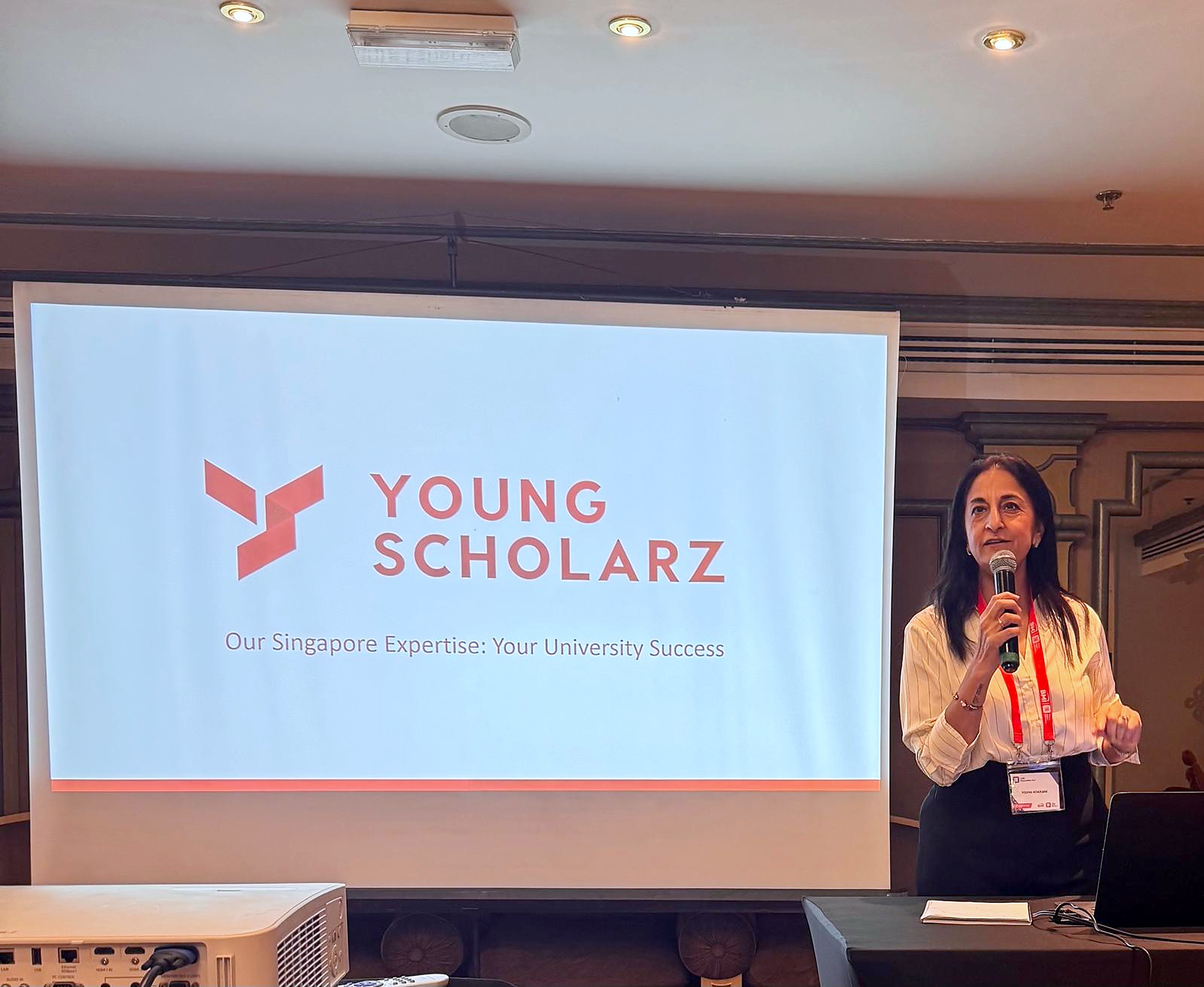
But when she asked the first question, I didn’t look at a single page. I simply spoke as myself: a mother of three, an entrepreneur, and an educator who has spent 18 years building Young Scholarz and supporting more than 2,000 students through their academic journeys.
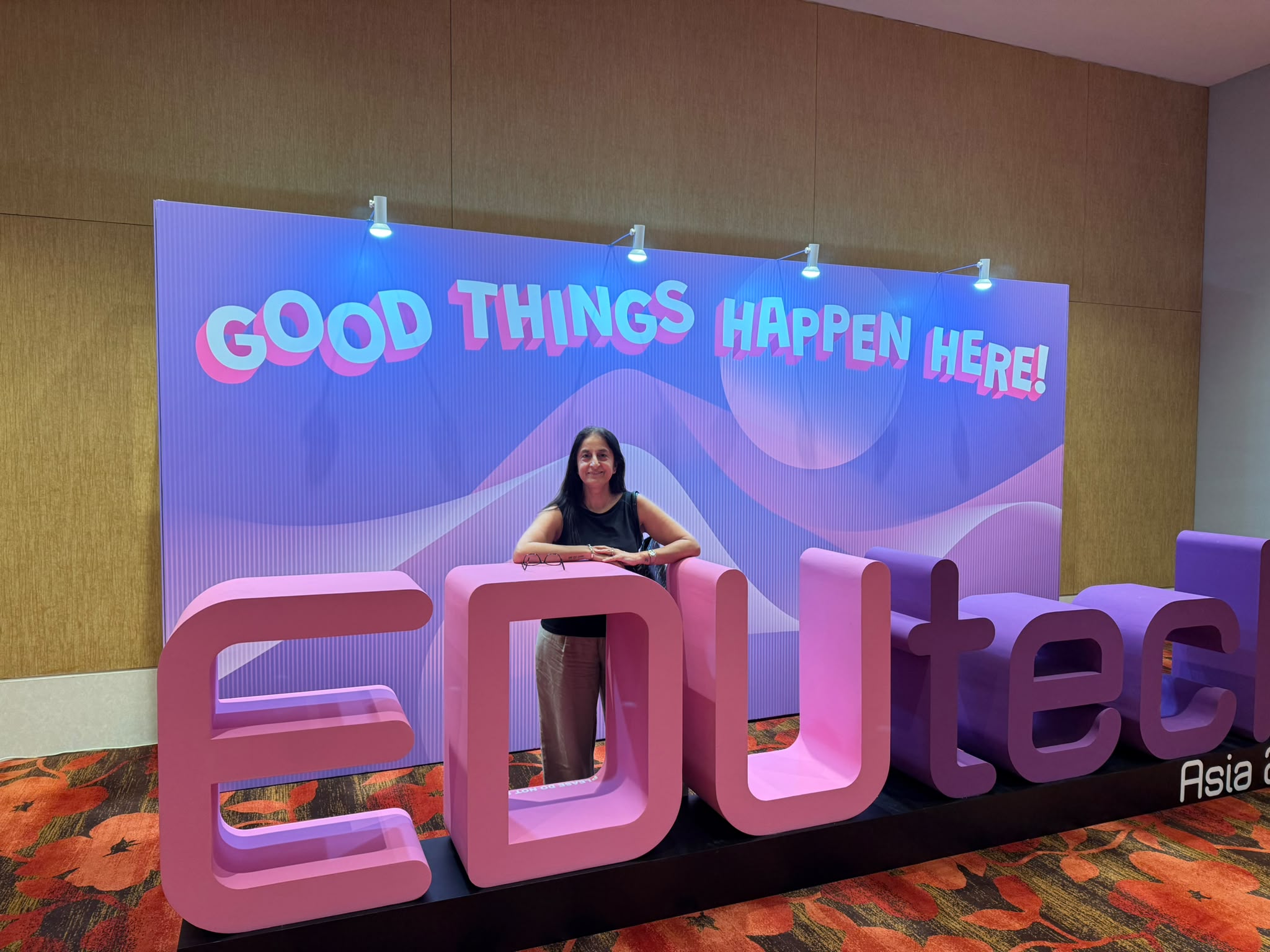
The interview was meant to last seven to eight minutes. It ran for 22 minutes. I can’t tell you exactly what she asked or what I said, but the feedback was that the conversation felt real and authentic. At the education fair, people came up to our stall to say they had heard us on air.
A heartfelt thank you to Muriel, the presenter at Talk FM Dubai, who was warm, exceptionally well-researched, and brilliant at drawing out a meaningful conversation.
What I Learned
- Anxiety doesn’t prepare you. It paralyses you. All that rehearsing added nothing. I was so busy trying to get everything right that I forgot to trust myself.
- Know what matters to you. When you understand your message, you don’t need to memorise every word. The words will come.
- Don’t lose your voice trying to sound perfect. AI can be a wonderful tool, but it should help you express your thoughts, not replace them. My grammar may have slipped, and I may not have said everything I planned, but what I said was mine.
- There is no perfect. There is just you. Sometimes, the best thing you can do is let go and trust what you know.
I think about our students when I reflect on this experience. You have so many resources available to you, and it is tempting to keep refining an answer until it sounds perfect. But in an interview, a presentation, or an exam hall, you need more than memorised words. You need to understand your subject, think for yourself, and trust your ability to express what you know.
If there is one thing I would like you to take away from my experience, it is this: prepare well, learn deeply, and then trust yourself. You don’t have to sound perfect to have something worthwhile to say. You just have to find the confidence to say it in your own voice.