






Why We Need Goals That Go Beyond Grades
Grades matter. They are the building blocks, the foundation you need before moving ahead. But they cannot be your whole plan.
You might get into LSE or do an MBA at Duke. But does that give you the right to live there? Will it lead to a job? Will you be happy living there for the long term, with the quality of life you imagined? Do you even want that rat race, or would a more balanced life, perhaps in Australia, suit you better? Will those universities, and those economies, carry the same weight in ten years’ time? The American dream exists for some, but not for everyone. These are questions you need to ask yourself before chasing a future simply because your parents, teachers or society tell you it is the right one.
Build resilience, not just results. There are no guarantees. Young people today can go through 20 interviews, reach an assessment centre, finish among the top two candidates, and still not get the job. If your confidence depends entirely on winning, every rejection will feel like a failure. You need to learn how to take setbacks in your stride, understand what went wrong and move forward. Resilience means being able to say, “I didn’t get that one, I’ll get the next.”
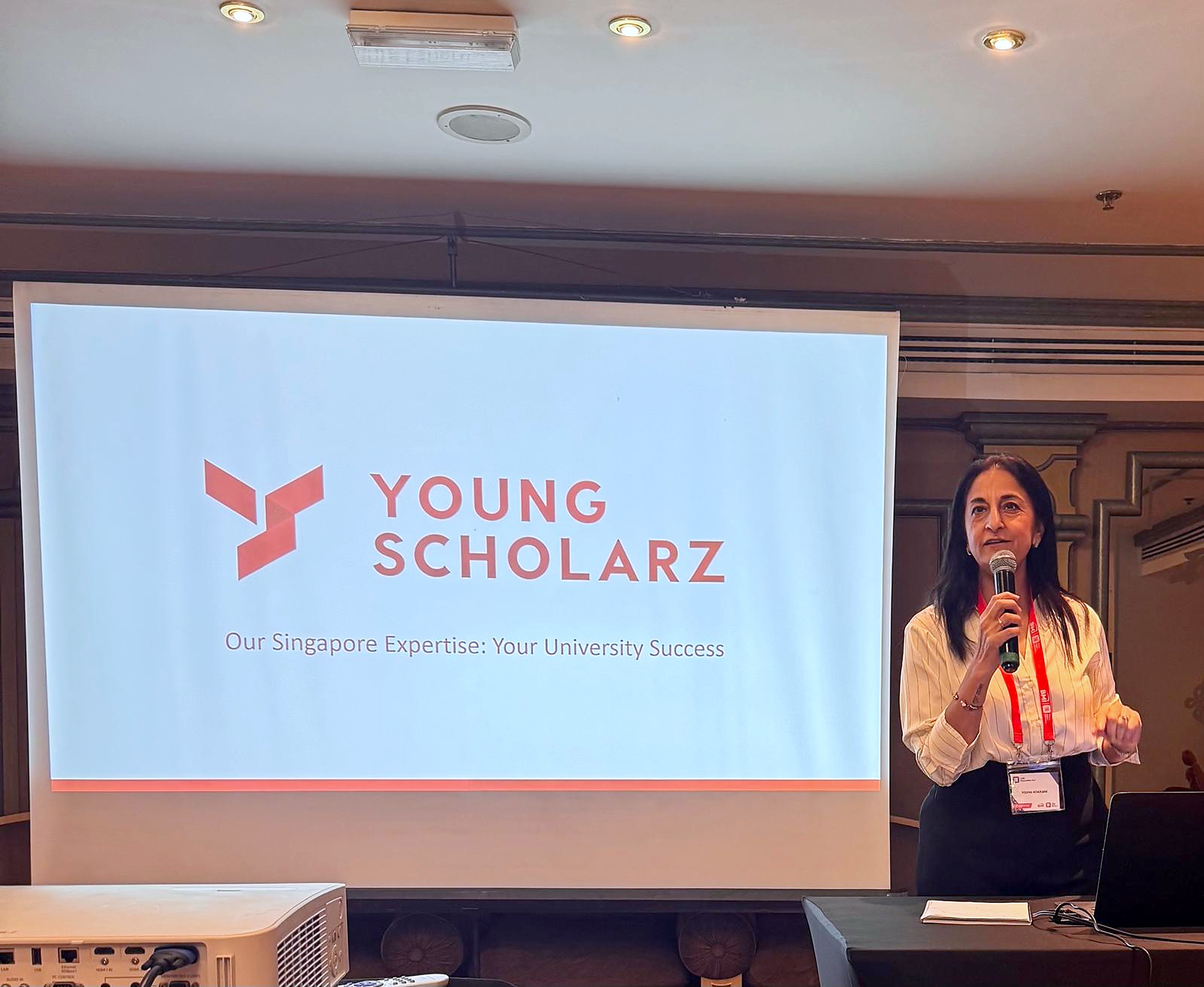
Be realistic about the competition. A CBSE student with 95% applying for engineering at SMU in Singapore is one of thousands of strong candidates. So how do you stand out? At the fair, I highlighted how students can strengthen their university applications and prepare for what comes next, looking beyond grades to make the most of their experiences and opportunities.
- Personal statement support. Those 400 words are an opportunity to show universities who you are beyond your grades. Avoid simply listing achievements or repeating what is already in your application. Instead, reflect on your experiences, interests and motivations, and explain what makes you a good fit for your chosen course. Seek honest feedback from people who know you well, but make sure the final statement reflects your own voice and thinking. Good guidance can help you refine your ideas, but the most compelling personal statements are built on genuine experiences and self-reflection.
- Internships. Your grades show your academic ability, but practical experience can help you understand how your interests translate into the real world. Opportunities across media, marketing, business, entrepreneurship, psychology and other fields can help you develop useful skills, explore different careers and make more informed decisions about your future. The aim is not simply to add another achievement to your CV, but to gain meaningful experience that helps you understand what interests you and where your strengths lie.
Guidance is not the same as tutoring. You need to learn how to use the skills you already have:
- writing a good essay,
- expressing yourself clearly and
- structuring your ideas.
Find people who are better at these skills and learn from them. But if you need five hours of classes every day to reach your target grades, stop and ask yourself why. Is it the subject, the way you are learning, or a mismatch between your strengths and your chosen path? More teaching hours are not always the answer. You need the right support, a better approach and enough independence to take responsibility for your own learning.
Grades open doors. But once you are through them, your confidence, resilience and ability to think clearly will help you decide which doors are worth walking through.