• info@youngscholarz.com
  • +65 97829419
Follow Us :
  • Login
  • /
  • Register
Young Scholarz
Young Scholarz
  • Courses
    • IGCSE
    • IB
    • American Curriculum
    • O/AS/A Level
    • School-Specific Curricula
    • Global Narratives- English Enrichment
  • Uni & Career Prep
    • College Counselling
    • Admissions Essays
    • Admissions Test Prep (SAT, GRE, GMAT, LNAT)
    • Language Exams (IELTS, TOEFL, etc.)
    • Career Counselling
  • Workshops
    • Events
    • Schedules
      • English Group Classes
  • Student Resources
    • Academic Counselling
    • Paper Marking
    • Blog
    • Mental Wellness
  • Beyond Academics
    • Profile Building
    • Life Skills Workshops
  • About
    • Our Story
    • Our CEO and Founder
    • Our Team
    • Our Faculty
    • Our Alumni
    • Student Testimonials
    • Social Responsibility
    • Work With Us
    • Contact Us

Blog

Latest Blog

May 10, 2026

You’re Running Out of Time: What to Fix Before Your…

The countdown is no longer theoretical. With IB exams beginning on 8 May, every hour...
Read More

Recent Releases

  • You’re Running Out of Time: What to Fix Before Your IB Exams
  • May 10, 2026
  • Exam Mistakes That Keep Students Stuck- Young Scholarz
  • The IB Exam Mistakes That Keep Students Stuck at a 5
  • May 1, 2026
  • What Your Teachers Won’t Tell You About IB Exams
  • April 25, 2026
  • If You’re Still Revising Like This, You’re Losing Marks Young Scholarz
  • If You’re Still Revising Like This, You’re Losing Marks
  • April 18, 2026
  • Categories

    Blog, Exams, IGCSE, Study Tips

    You’re Running Out of Time: What to Fix Before Your IB Exams

    10 May 2026
    Blog, Exams, IGCSE, Study Tips

    The IB Exam Mistakes That Keep Students Stuck at a 5

    01 May 2026
    Blog, Exams, IGCSE, Study Tips

    What Your Teachers Won’t Tell You About IB Exams

    25 Apr 2026
    Blog, Exams, IGCSE, Study Tips

    If You’re Still Revising Like This, You’re Losing Marks

    18 Apr 2026
    Blog, Exams, IGCSE, Study Tips

    Beyond Tuition: Why Education Must Evolve Into Lifelong Guidance

    10 Apr 2026
    Blog, Exams, IGCSE, Study Tips

    Why IB Subjects Like ESS, Film & Sports Science Pull Grades Down

    04 Apr 2026
    Blog, Exams, IGCSE, Study Tips

    Last-Minute IB & IGCSE Exam Tips: The Final 4 Weeks

    27 Mar 2026
    Blog, Exams, IGCSE, Study Tips

    How to Get a 7 in IB English: Examiner Tips Most Students Miss

    20 Mar 2026
    Blog, Exams, IGCSE, Study Tips

    How to Revise for IGCSE Exams in 30 Days (Proven Study Plan)

    14 Mar 2026
    1 2 3 … 8 Next »
    Blog, Exams, IB, IGCSE, Study Tips

    IB Mock Results Bad? What To Do Before the May 2026 Exams

    06 Mar 2026
    Blog, Exams, IB, IGCSE, Study Tips

    IB Exam Dates 2026: All Subjects | All Exam Zones: May 2026

    27 Feb 2026
    Blog, Exams, IB, IGCSE, Study Tips

    Why Waiting Until Exam Season Is the Biggest Mistake Parents Make

    20 Feb 2026
    Blog, Exams, IB, IGCSE, Study Tips

    Strategic Preparation for International School Mocks

    13 Feb 2026
    Blog, Exams, IB, Study Tips

    Term 2 Reality Check: Are Your Child’s Grades Where They Should Be by Now?

    06 Feb 2026
    Blog, Exams, IB, Study Tips

    Are Exam Workshops Worth It? Who Should Attend and When?

    30 Jan 2026
    Blog, Exams, IB, Study Tips

    Why Students Lose Marks Even When They “Know the Content”

    22 Jan 2026
    Blog, Exams, IB, Study Tips

    Mock Exams Explained: Why Smart Students Panic

    16 Jan 2026
    Blog, Exams, IB, Study Tips

    Singapore University Admissions 2026: How Competitive Is It?

    09 Jan 2026
    1 2 3 … 11 Next »
    Beyond Academics, Blog, Books, Exams, Extra Curriculars, General, IB, IGCSE, Learning, Mental Health, Study Tips, University

    Leaving the nest: How to Cope with University Life

    19 Aug 2025
    Blog, Books, Exams, General, IB, IGCSE, Learning, University

    Global Narratives – A UWC-Inspired IGCSE & IB English Curriculum

    11 Aug 2025
    Blog, Exams, Exams, IB, IGCSE

    IB Results Didn’t Turn Out as You Hoped? Here’s What to Do Next

    09 Jul 2025
    Blog, Exams, IB

    Do NOT Make These 7 Mistakes In Your IB English Lang Lit Paper 1 Exam

    21 Feb 2025
    Blog, General, IB, IGCSE, Learning, ToK, University

    From the CEO’s Desk: Balancing the Boardroom and the Classroom

    14 Feb 2025
    Blog, Books, Exams, General, IB, IGCSE, Learning, Study Tips

    How to Avoid Plagiarism: A Student’s Guide to Ethical Writing

    10 Jan 2025
    Blog, Books, Exams, General, IB, IGCSE, Learning, Study Tips

    Why Start English Classes Young? Is It Just About Exams?

    13 Dec 2024
    Blog, Books, Exams, General, IB, Learning, Study Tips

    Using AI as Your Study Buddy, But Ethically

    22 Nov 2024
    Blog, Books, Exams, General, IB, Learning, Study Tips

    Excelling in IB: The Open Book Advantage

    14 Nov 2024
    1 2 3 … 6 Next »
    Beyond Academics, Blog, Extra Curriculars, IB, IGCSE

    IB English Paper 1 vs Paper 2: What Students Should Know

    28 Sep 2025
    Beyond Academics, Blog, Books, Exams, Extra Curriculars, General, IB, IGCSE, Learning, Mental Health, Study Tips, University

    Leaving the nest: How to Cope with University Life

    19 Aug 2025
    Beyond Academics, Blog, Extra Curriculars, IB, IGCSE

    Smart Summer Recharge: 10 Tips for IB & IGCSE Students

    04 Jul 2025
    Beyond Academics, Blog, Extra Curriculars, General, Mental Health

    The Teen Mirror: Beauty, Social Media & Digital Literacy

    29 Jun 2025
    Beyond Academics, Blog, Extra Curriculars, Learning, Study Tips

    Essential Digital Skills for Teens (Beyond Instagram)

    20 Jun 2025
    Beyond Academics, Blog, Extra Curriculars

    Top Netflix Shows to Watch After Your IB/IGCSE Exams

    30 May 2025
    Extra Curriculars, General, News

    Announcement: Our CEO, Sunita Sharma, is recognised among the “Top 10 Women Leaders of the Year From Asia”.

    10 Dec 2024
    Blog, Extra Curriculars, General, IB, Learning, Study Tips, University

    Making CAS Your Own: Complete Requirements Through Your Hobbies

    01 Nov 2024
    Extra Curriculars, News, University

    Our Partnership with Ladder Internships

    30 Aug 2024
    1 2 Next »
    Beyond Academics, Blog, Books, Exams, Extra Curriculars, General, IB, IGCSE, Learning, Mental Health, Study Tips, University

    Leaving the nest: How to Cope with University Life

    19 Aug 2025
    Beyond Academics, Blog, Extra Curriculars, General, Mental Health

    The Teen Mirror: Beauty, Social Media & Digital Literacy

    29 Jun 2025
    Blog, Mental Health

    I’m Fine – But Really, Am I?

    20 Dec 2023
    Blog, Mental Health

    Common Mental Health Issues Students Face

    09 Oct 2023
    Blog, IB, IGCSE, Mental Health, University

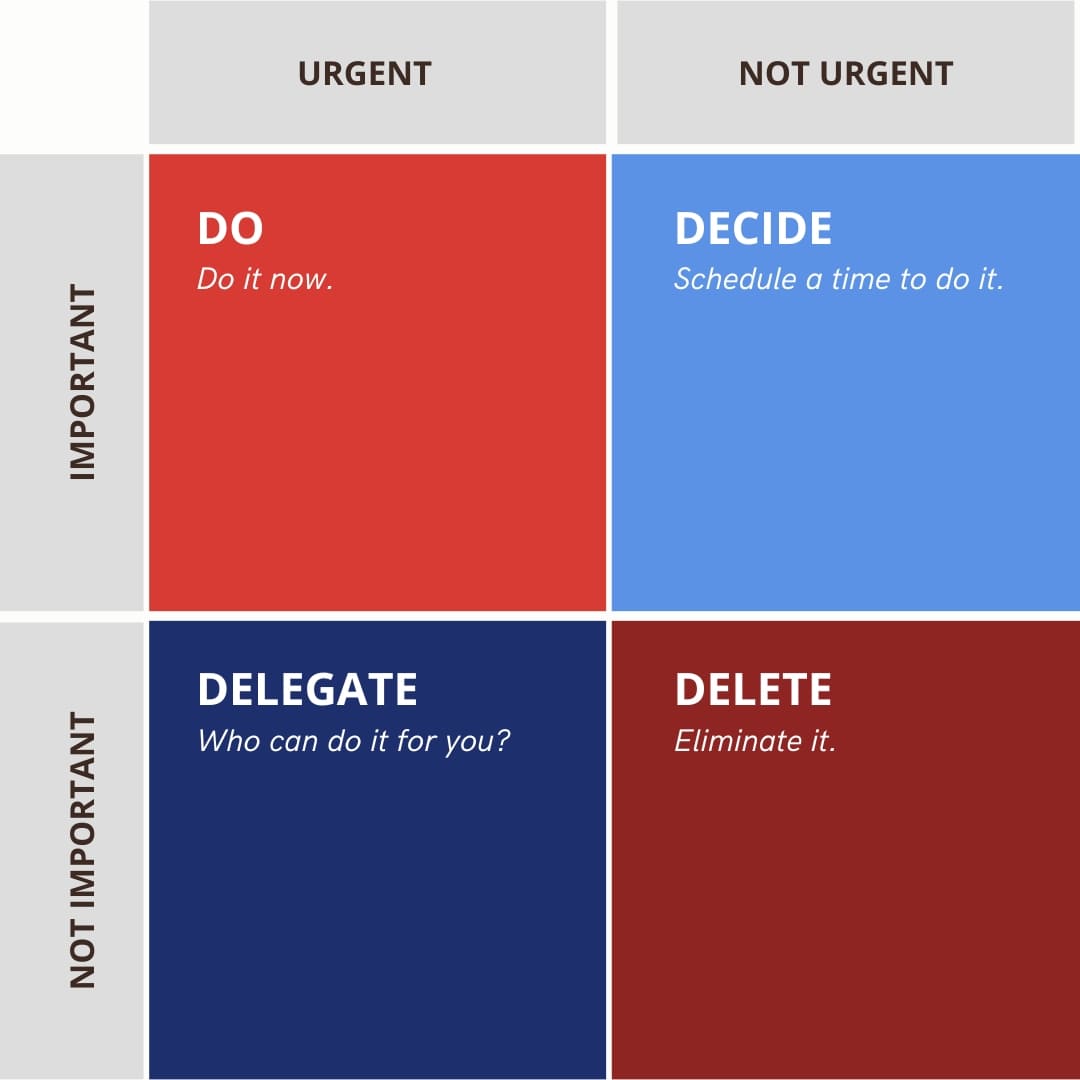
    Understanding and Applying the Eisenhower Matrix

    17 Feb 2023
    Blog, Mental Health

    Happy 2023! Past Year Reflections and Resolutions

    04 Jan 2023
    Blog, IB, IGCSE, Mental Health, University

    Using Loci to Learn Effectively

    18 Nov 2022
    Blog, IB, IGCSE, Mental Health, University

    How Mind Maps Help You Study Better

    05 Nov 2022
    Blog, IB, IGCSE, Mental Health, University

    Top 10 Free Productivity Apps and Tools for Students

    26 Oct 2022
    1 2 Next »
    Beyond Academics, Blog, Exams, IB, Study Tips

    TOK Essay: 10 Final Checks Before You Submit

    25 Oct 2025
    Beyond Academics, Blog, Exams, IB, Study Tips

    Predicted Grades: How to Make Them Work for You

    25 Oct 2025
    Beyond Academics, Blog, Exams, IB, Study Tips

    10 Smart Ways to Balance University Applications with A-Levels/IB

    04 Oct 2025
    Beyond Academics, Blog, Extra Curriculars, IB, IGCSE

    IB English Paper 1 vs Paper 2: What Students Should Know

    28 Sep 2025
    Beyond Academics, Blog, Books, Exams, Extra Curriculars, General, IB, IGCSE, Learning, Mental Health, Study Tips, University

    Leaving the nest: How to Cope with University Life

    19 Aug 2025
    Beyond Academics, Blog, IB, IGCSE

    Make Your Summer Count: 10 Quick Courses to Stay Ahead

    18 Jul 2025
    Beyond Academics, Blog, Extra Curriculars, IB, IGCSE

    Smart Summer Recharge: 10 Tips for IB & IGCSE Students

    04 Jul 2025
    Beyond Academics, Blog, Extra Curriculars, General, Mental Health

    The Teen Mirror: Beauty, Social Media & Digital Literacy

    29 Jun 2025
    Beyond Academics, Blog, Extra Curriculars, Learning, Study Tips

    Essential Digital Skills for Teens (Beyond Instagram)

    20 Jun 2025
    1 2 Next »

    Categories

    • IGCSE
    • IB
    • University
    • Extra Curriculars
    • Mental Health
    • Beyond Academics
    • Blog, Exams, IGCSE, Study Tips

      You’re Running Out of Time: What to Fix Before Your IB Exams

      10 May 2026
      Blog, Exams, IGCSE, Study Tips

      The IB Exam Mistakes That Keep Students Stuck at a 5

      01 May 2026
      Blog, Exams, IGCSE, Study Tips

      What Your Teachers Won’t Tell You About IB Exams

      25 Apr 2026
      Blog, Exams, IGCSE, Study Tips

      If You’re Still Revising Like This, You’re Losing Marks

      18 Apr 2026
      Blog, Exams, IGCSE, Study Tips

      Beyond Tuition: Why Education Must Evolve Into Lifelong Guidance

      10 Apr 2026
      Blog, Exams, IGCSE, Study Tips

      Why IB Subjects Like ESS, Film & Sports Science Pull Grades Down

      04 Apr 2026
      Blog, Exams, IGCSE, Study Tips

      Last-Minute IB & IGCSE Exam Tips: The Final 4 Weeks

      27 Mar 2026
      Blog, Exams, IGCSE, Study Tips

      How to Get a 7 in IB English: Examiner Tips Most Students Miss

      20 Mar 2026
      Blog, Exams, IGCSE, Study Tips

      How to Revise for IGCSE Exams in 30 Days (Proven Study Plan)

      14 Mar 2026
      1 2 3 … 19 Next »
    Blog, Exams, IGCSE, Study Tips

    You’re Running Out of Time: What to Fix Before Your IB Exams

    10 May 2026
    Blog, Exams, IGCSE, Study Tips

    The IB Exam Mistakes That Keep Students Stuck at a 5

    01 May 2026
    Blog, Exams, IGCSE, Study Tips

    What Your Teachers Won’t Tell You About IB Exams

    25 Apr 2026
    Blog, Exams, IGCSE, Study Tips

    If You’re Still Revising Like This, You’re Losing Marks

    18 Apr 2026
    Blog, Exams, IGCSE, Study Tips

    Beyond Tuition: Why Education Must Evolve Into Lifelong Guidance

    10 Apr 2026
    Blog, Exams, IGCSE, Study Tips

    Why IB Subjects Like ESS, Film & Sports Science Pull Grades Down

    04 Apr 2026
    Blog, Exams, IGCSE, Study Tips

    Last-Minute IB & IGCSE Exam Tips: The Final 4 Weeks

    27 Mar 2026
    Blog, Exams, IGCSE, Study Tips

    How to Get a 7 in IB English: Examiner Tips Most Students Miss

    20 Mar 2026
    Blog, Exams, IGCSE, Study Tips

    How to Revise for IGCSE Exams in 30 Days (Proven Study Plan)

    14 Mar 2026
    1 2 3 … 19 Next »

    The countdown is no longer theoretical. With IB exams beginning on 8 May, every hour you spend now either moves you closer to a 7 or keeps you stuck at your current level.

    This is not the time to “revise everything.” It is the time to fix what actually changes your score.

    Here are five high-impact fixes that can still make a real difference in the days you have left.

    1. You Are Still Revising Content Instead of Training Exam Skills

    At this stage, going through notes feels productive but delivers very little return. IB exams reward how you think, not how much you remember.

    Students stuck at a 5 often know the content but fail to apply it under pressure. Top scorers train their ability to interpret questions, structure responses, and deliver clear arguments quickly.

    YS Urgent Tip:
    Do one timed question per subject today. Focus on execution, not revision. Then review how effectively you answered the question, not how much you remembered.

    2. Your Answers Are Not Directly Targeting the Question

    One of the biggest reasons students lose marks is writing answers that are “good” but not relevant enough.

    Examiners are not looking for everything you know. They are looking for how precisely you answer what is asked.

    If your paragraphs could fit multiple questions, they are too generic.

    YS Urgent Tip:
    Underline key words in every question before you start. After each paragraph, ask yourself: Does this clearly answer the question, or am I drifting?

    3. You Are Describing Instead of Analysing

    This is the single biggest gap between a 5 and a 7.

    Many students identify techniques or concepts correctly, but stop at the explanation. High-scoring responses go further by explaining the effect and significance.

    This is exactly where marks are lost, as seen in common feedback patterns where students identify techniques but fail to link them to meaning or impact.

    YS Urgent Tip:
    After every point you make, add one sentence that answers “So what?” If you cannot explain the effect clearly, the mark is not secured.

    4. Your Structure Is Limiting Your Clarity

    Even strong ideas lose marks when they are poorly structured.

    Examiners reward clarity. If your argument is hard to follow, it does not score as highly as it should.

    Common issues include long, unfocused paragraphs, repetition, and weak topic sentences.

    YS Urgent Tip:
    Use a simple structure for every paragraph: clear point, evidence, analysis, and link to the question. Keep it tight and intentional.

    5. You Are Not Practising Under Real Exam Pressure

    Many students feel confident until they sit down and attempt a full-time paper. That is when gaps in speed, clarity, and stamina appear.

    You cannot improve exam performance without simulating exam conditions.

    YS Urgent Tip:
    Do at least one full-time paper before your exam. No notes, no pauses. Then review it immediately and identify patterns in your mistakes.

    Final Conclusion: This Is the Window That Decides Your Result

    Right now is not about doing more. It is about doing what matters.

    Students who improve in the final days are not the ones who panic or overwork. They are the ones who focus sharply on the skills that examiners actually reward. If you fix your approach to questions, strengthen your analysis, and practice under pressure, you can still shift your score.

    But this window is closing fast.

    At Young Scholarz, we focus on exactly this phase. We help students identify their highest-impact weaknesses and correct them quickly with targeted feedback and exam-focused training. Because the difference between a 5 and a 7 in the IB is no longer months of work. It is what you choose to fix right now.

    So, stop losing easy marks and start writing at a Band 6/7 level. Book a session with Young Scholarz now.

    Exam Mistakes That Keep Students Stuck- Young Scholarz

    If you’re an IB student consistently scoring a 5, you’re not alone, and more importantly, you’re not “far” from a 7. For parents, this can feel confusing: If my child is working hard, why aren’t the grades improving?

    The reality is simple. Most students don’t struggle because of a lack of effort. They struggle because they haven’t been taught how IB examiners actually mark answers.

    At Young Scholarz, we work closely with IB students and see the same patterns again and again. Here are the most common mistakes and what truly makes the difference.

    1. Focusing on “what” instead of “why”

    Many students correctly identify literary or visual techniques like tone, imagery, or structure. But IB examiners don’t award high marks for spotting techniques alone.

    What’s missing?
    Clear explanation of why those choices matter and how they answer the question.

    👉 Fix: Every point should follow this flow: Technique → Effect → Link to the question

    2. Writing long answers without a clear argument

    A common misconception is that longer answers score higher. In reality, unfocused writing often leads to repetition and weaker analysis.

    What examiners look for:

    • A clear, consistent argument
    • Paragraphs that build on each other
    • Direct relevance to the question

    👉 Fix: Before writing, students should have a 2–3 line plan outlining their main argument.

    3. Not fully answering the question

    Strategic Preparation for International School Mocks

    This is one of the biggest reasons students stay stuck at a 5. Even strong analysis can lose marks if it doesn’t directly address the question.

    For example, a student may analyse tone beautifully but if the question is about how meaning is shaped, they must explicitly connect tone to meaning.

    👉 Fix: Keep referring back to the question in every paragraph. If it’s not clearly linked, it doesn’t earn full marks.

    4. Overcomplicating language

    Using complex vocabulary doesn’t guarantee higher marks. In fact, it often makes answers harder to follow.

    What IB examiners value:

    • Clarity
    • Precision
    • Concise expression

    👉 Fix: Focus on making ideas easy to understand rather than trying to sound “advanced.”

    5. Playing it too safe

    Many students stick to obvious interpretations because they’re afraid of being wrong. But top-band responses stand out because they offer thoughtful and original insights.

    👉 Fix: Encourage students to take a clear position as long as it’s supported with evidence; it will be rewarded.

    How Young Scholarz Helps

    At Young Scholarz, we don’t just teach content; we train students to think like IB examiners. Our approach focuses on:

    • Personalized feedback on real IB-style answers
    • Clear frameworks for structuring high-scoring responses
    • Targeted practice to strengthen weak areas
    • Building confidence in analysis and interpretation

    Final Thought

    A 5 is not a limitation, it’s a stepping stone. With the right guidance and strategy, moving to a 7 is completely achievable.

    If you’re a student aiming higher or a parent looking for the right academic support, Young Scholarz is here to help make that jump a reality.

    So, stop losing easy marks and start writing at a Band 6/7 level. Book a session with Young Scholarz now.

    If you think you’re losing marks in IB because you “didn’t study enough,” you’re probably solving the wrong problem.

    Most IB students put in hours. They highlight notes, reread textbooks, and memorise definitions, yet their scores plateau. What your teachers often don’t explicitly say (or don’t have time to unpack) is this: IB exams don’t reward effort the way you think they reward precision, strategy, and examiner alignment.

    Let’s unpack what that really means.

    1. The IB isn’t testing knowledge; it’s Testing Interpretation

    You can know everything about a topic and still underperform.

    In subjects like Language & Literature or History, students assume content is king. It’s not. The IB is marking how you use knowledge, not how much you have. That means:

    • Interpreting the question correctly matters more than what you know.
    • Staying focused on the task matters more than showcasing everything you’ve studied.

    A common issue (we see this constantly at Young Scholarz) is students drifting into what they want to say rather than what the question demands. That’s where marks quietly disappear.

    2. “Analysis” Is Not What You Think It Is

    Most teachers say “analyse more,” but rarely break down what that looks like under timed pressure.

    Students often:

    • Identify techniques  
    • Describe what’s happening  
    • Explain the obvious effect  

    And then stop.

    But IB examiners are looking for:

    • Why was that choice made
    • How it shapes meaning in relation to the question
    • What deeper idea or implication does it reveal

    That jump from description to insight is where top-band answers live.

    3. Structure Wins You Marks Before Content Does

    This is uncomfortable, but true:
    A well-structured, average argument often scores higher than a brilliant but messy one.

    IB marking criteria reward:

    • Clear line of argument
    • Logical paragraph progression
    • Consistent focus on the guiding question

    If your essay “sounds smart” but lacks direction, examiners can’t reward it fully.

    At Young Scholarz, we train students to think of essays like a roadmap:

    • Every paragraph has a purpose
    • Every point links back to the question
    • Nothing is accidental

    That’s what creates clarity, and clarity gets marks.

    4. Examiners Are Not Reading Deeply; They’re Reading Efficiently

    This is something teachers rarely emphasise:
    Examiners are scanning for evidence of criteria, not admiring your writing.

    They’re asking:

    • Is the student answering the question?
    • Is there a clear analysis?
    • Is the argument sustained?

    This means:

    • Overly complex sentences can hurt clarity
    • Repetition wastes time (and patience)
    • Vague ideas don’t get rewarded

    Your goal isn’t to impress; it’s to make it easy to award you marks.

    5. Your “Comfort Zone” Is Costing You Marks

    Students tend to fall back on:

    • The same themes
    • The same examples
    • The same phrasing

    It feels safe. But it leads to:

    • Repetition
    • Shallow analysis
    • Predictable arguments

    The IB rewards adaptability, your ability to reshape your thinking based on the question. If every essay you write feels similar, that’s a red flag.

    6. Timing Isn’t Just About Speed, It’s About Decision-Making

    Most advice says, “Practice writing faster.”

    That’s incomplete.

    High-scoring students aren’t just faster, they’re better at:

    • Choosing the right points quickly
    • Dropping weak ideas early
    • Prioritizing depth over quantity

    The real skill is knowing what not to write.

    7. Feedback Isn’t Useful Unless You Know How to Use It

    You’ve probably seen comments like:

    • “Be more analytical”
    • “Stay focused on the question”
    • “Develop your ideas further”

    But unless you’re shown how to fix those, nothing changes.

    At Young Scholarz, we’ve seen that improvement happens when feedback becomes:

    • Specific
    • Actionable
    • Repeatable under exam conditions

    Otherwise, students keep making the same mistakes just with different content.

    8. The Biggest Myth: “If I Understand It, I Can Write It”

    Understanding a text or concept ≠ being able to express it under pressure.

    IB exams require:

    • Structured thinking
    • Controlled writing
    • Real-time analysis

    That’s a skill. And like any skill, it needs targeted practice not just passive revision.

    So What Should You Actually Do?

    If you want to improve your IB performance, shift your focus:

    • From studying more → to studying smarter
    • From content-heavy revision → to skill-based practice
    • From generic feedback → to targeted improvement

    At Young Scholarz, we work with students to break this cycle, turning vague advice into clear systems they can actually use in exams.

    Because the truth is:

    You’re not losing marks because you don’t know enough.
    You’re losing them because you haven’t been shown how to think like the examiner.

    The YS Takeaway

    At Young Scholarz, we see this every year: students putting in the hours, yet still dropping marks because they’re preparing the wrong way for what IB exams actually assess.
    If you keep relying on passive revision, you’re not just staying where you are; you’re reinforcing the exact habits that cap your scores.

    The IB doesn’t reward how much you study. It rewards how precisely you think, structure, and respond under pressure.
    The gap between a 5 and a 7 isn’t effort. Its execution.

    If that doesn’t change, neither will your results.

    So, stop losing easy marks and start writing at a Band 6/7 level. Book a session with Young Scholarz, now.

    If You’re Still Revising Like This, You’re Losing Marks Young Scholarz

    You’re not losing marks because you don’t study. You’re losing them because you’re revising the wrong way. Let’s be honest, most students aren’t underprepared. They’re misaligned.
    If your revision still looks like highlighting textbooks, rereading notes, and hoping it “sticks,” you’re not just being inefficient; you’re actively capping your grades. This isn’t about working harder. It’s about aligning your revision with how IGCSE and IB actually reward answers.

    1. You’re Revising Content, Not Skills

    IGCSE and IB are not memory tests. They are application-based assessments. Yet many students revise like this:

    • Rewriting notes
    • Memorising definitions
    • Reading model answers passively

    Here’s the problem: examiners don’t award marks for what you know; they award marks for what you do with what you know. For example:

    • In IB Lang Lit Paper 1, you don’t get marks for spotting techniques; you get marks for analysing their effects.
    • In IGCSE Literature, you don’t get marks for knowing the plot; you get marks for interpreting meaning and the writer’s methods.

    YS Fix:

    • Shift from content revision → skill drilling
    • Write full paragraphs under timed conditions, where every sentence links back to the question
    • Train yourself to answer the question, not just understand the text

    2. You’re Being Descriptive Instead of Analytical

    This is the most common reason students plateau in the mid-band. If your answers sound like:

    • “The writer uses imagery…”
    • “This shows that…”
    • “This creates interest…”

    You’re likely describing, not analysing. Examiners see this constantly. It leads to feedback like:

    • “Too descriptive”
    • “Lacks depth”
    • “Does not fully explore the effect”

    YS Insight:
    Analysis = Technique + Effect + Why it matters (in relation to the question).

    Without that third layer, you’re stuck in Band 4–5.

    3. You’re Ignoring the Question (Without Realising It)

    You think you’re answering the question—but you’re actually writing everything you know about the text.

    A very real mistake students make:
    They start analysing everything they know about the text instead of selecting only what answers the question.

    This is especially dangerous in IB:

    • You start with the question
    • You bring in every theme you remember
    • You end up with paragraphs that sound smart but don’t actually answer what was asked

    This is exactly how strong students lose marks in Criterion A and B.

    YS Fix:
    Before every paragraph, ask:
    How does this directly answer the question?

    If you can’t answer that in one sentence, the paragraph is off-track.

    4. You’re Practicing Without Feedback

    Doing past papers is good.
    Doing them without feedback is a waste of time.

    You might be:

    • Repeating the same mistakes
    • Reinforcing weak structure
    • Thinking you’re improving when you’re not

    This is why students say:
    “I’ve done so many papers, but my marks don’t change.”

    YS Insight:
    Improvement doesn’t come from repetition.
    It comes from correction + awareness + adjustment.

    Even one properly reviewed answer is more valuable than five unchecked ones.

    5. Your Structure Isn’t Helping You Score

    You may “have a structure,” but is it helping the examiner give you marks?

    Common issues:

    • Weak topic sentences
    • Paragraphs that drift
    • Conclusions that introduce new ideas
    • No clear line of argument

    In IB, especially, this affects Criterion C (Organisation) heavily.

    YS Fix:
    Every paragraph should:

    • Directly answer the question
    • Present a clear idea
    • Support it with evidence
    • Analyse why it matters

    If your paragraph can’t be summarised in one clear argument, it’s not exam-ready.

    6. You’re Writing Too Much, Not Too Well

    Many students think:
    “More writing = more marks”

    Wrong.

    Examiners reward:

    • Precision
    • Clarity
    • Relevance

    Not:

    • Repetition
    • Over-explanation
    • Vague phrasing

    In fact, overly wordy responses often lose marks in:

    • Clarity (IB Criterion D)
    • Focus (Criterion C)

    YS Insight:
    Strong answers are not longer.
    They are tighter, sharper, and more intentional.

    7. You’re Not Studying Examiner Expectations

    This is the biggest missed opportunity.

    Mark schemes and examiner reports literally tell you:

    • What top answers do
    • What weak answers lack
    • Where students lose marks

    Yet most students never read them.

    YS Fix:
    Start thinking like an examiner:

    • What is this question really testing?
    • What would a Band 7 answer look like?
    • Why would this answer lose marks?

    Final Thought: Revision Isn’t the Problem Strategy Is

    If you’re putting in hours and not seeing results, the issue isn’t effort.
    It’s alignment.

    IGCSE and IB reward:

    • Precision over volume
    • Analysis over description
    • Focus over coverage

    If your revision doesn’t reflect that, you’re not just staying in the same place you’re falling behind students who do understand the system.

    The YS Takeaway

    At Young Scholarz, we see this pattern every year: students working hard but still losing marks because their revision doesn’t match what the exam actually rewards. If you continue with passive methods, you’re not just staying stagnant; you’re actively reinforcing the habits that keep you in the mid-bands. The reality is simple: exams reward precision, analysis, and exam-focused thinking, not effort alone.

    The difference between a 5 and a 7 isn’t effort. It’s a strategy.

    If you don’t fix that now, you’re choosing to leave marks behind.

    If you want to stop losing easy marks and start writing at a Band 6/7 level, book a session with Young Scholarz.

    By Sunita Sharma, CEO of Young Scholarz

    For nearly two decades, I’ve worked with students across Singapore and beyond — not just as an educator, but as a guide through some of the most defining years of their lives.

    What began as a simple question  “Can you teach me?”   has grown into something far greater: a global network of over 90 educators, mentors, counsellors, and thousands of students who have passed through our ecosystem.

    But through all these years, one truth has become increasingly clear: Education, as we know it, is no longer enough.

    The Problem With “Tuition”

    The word tuition has always felt limiting.

    It suggests a transaction:
    You come in, you learn, you leave.

    But today’s students need far more than information.
    They need direction, clarity, and confidence in an increasingly complex world.

    When I first started teaching English, I realised something surprising  students weren’t struggling with the subject itself.

    They were struggling with how to improve it. So I approached it differently.

    Coming from a background in biochemistry and chartered accountancy, I applied structured, analytical thinking to something often seen as abstract. I broke English down into:

    • Systems
    • Frameworks
    • Patterns
    • Measurable improvements

    And it worked. But more importantly, it revealed something deeper:

    Students don’t fail because they lack ability. They fail because they lack structure, strategy, and guidance.

    From Academic Support to Holistic Development

    As I worked with more students, something naturally evolved.

    A student would come in for English  and stay for mathematics, economics, university applications, and beyond. What began as academic support became something far more comprehensive:

    • Mentorship
    • Counselling
    • Career guidance
    • Personal development

    Because when you build trust with a student early, often as early as Grade 9, you don’t just help them pass exams.

    You help shape their trajectory.

    Today, that has evolved into an integrated model that includes:

    • Global subject experts
    • Mental health counsellors
    • Industry mentors
    • Alumni networks connecting students to real-world pathways

    This wasn’t planned. It was necessary. Because education cannot exist in isolation from life.

    Redefining Success in Education

    We often define success in education by grades. But real success looks very different for every student. For one, it may be:

    • A 44 in the IB
    • Entry into a top university

    For another, it may be:

    • Passing key subjects
    • Building confidence
    • Discovering the right path

    I’ve worked with students who began with failing grades and went on to thrive  not by fitting into a mould, but by finding the one that suited them.

    That is where real education happens.

    What Innovation in Education Really Means

    When people talk about innovation in education, they often think of technology. Platforms. Systems. Tools. But in reality, the most powerful form of innovation is far simpler:

    Understanding.

    • Listening deeply
    • Recognising patterns over time
    • Seeing beyond the syllabus

    At Young Scholarz, we’ve built systems to track and support student progress. But those systems exist to enable something far more important:

    Human intuition, informed by experience.

    The True Measure of Success

    If you ask me how I measure success, it isn’t grades.

    Grades are expected.

    The real measure is this:

    When a former student, now in their late twenties, returns and says: “I’m stuck. Can you guide me?”

    That trust, years later, is everything.

    Because it means we didn’t just teach them how to pass an exam. We taught them how to think.

    Education as Empowerment

    One area especially close to my heart is female empowerment.

    Through my work, I’ve supported young women across different backgrounds — including those from underserved communities — by providing:

    • Exposure
    • Mentorship
    • Opportunities beyond their immediate environment

    Because education should not just create success. It should create access.

    The Role of Storytelling in Learning

    Beyond teaching, I’ve always been a writer. My work from plays to scripts explores identity, legacy, and human experience. Over time, I’ve realised:

    Education and storytelling are deeply connected.

    Both are about:

    • Making sense of the world
    • Understanding perspectives
    • Finding your voice

    Whether in a classroom or on stage, the goal remains the same:

    To shape individuals who think deeply, act meaningfully, and contribute to society.

    The Legacy That Matters

    When I think about legacy, I don’t think about institutions. I think about people. Students who:

    • Become independent
    • Navigate complexity
    • Give back to others

    Because ultimately, education is not about producing perfect results. It’s about creating individuals who can adapt, grow, and lead.

    Final Thought

    The future of education will not be defined by content.

    It will be defined by guidance.

    And those who succeed students, educators, institutions  will be those who understand this shift. Because in a world full of information,
    what students need most is not more knowledge. It is clarity, direction, and someone who truly understands them.

    “I took ESS to boost my overall score.”
    “Film will balance out my HLs.”
    “Sports Science should be manageable.”

    If that sounds familiar, you’re not alone.

    But here’s the uncomfortable reality: for many IB students, these so-called “easy” subjects don’t boost grades; they quietly pull them down. And the reason isn’t ability. It’s a misunderstanding.

    The Myth of the “Easy 7”

    Subjects like Environmental Systems & Societies (ESS), Film, and Sports, Exercise & Health Science often feel easier at the start. The content seems intuitive. The concepts feel familiar. There’s less intimidation compared to subjects like Physics or HL Math.

    But here’s the catch: Accessibility creates complacency, and complacency costs marks.

    Examiner insight: IB examiners consistently report that students underperform in these subjects not because of weak knowledge, but because answers lack depth, precision, and evaluation.

    These subjects are designed to assess:

    • Interpretation
    • Application
    • Evaluation not just knowledge

    Students who assume they can “figure it out later” often realise too late usually during mocks or final exams that they were never actually exam-ready.

    YS Tip: Start treating “easy” subjects like scoring subjects from day one. The earlier you align with mark schemes, the faster your answers improve.

    Students Misjudge What IB Examiners Actually Reward

    Students Misjudge What IB Examiners Actually Reward

    In more structured subjects, expectations are clearer. But in ESS, Film, and Sports Science, success depends on how you think and write not just what you know. In IB mark schemes, top-band responses consistently:

    • Directly address command terms like “evaluate” and “to what extent”
    • Present balanced arguments
    • Justify points with relevant examples or case studies

    Yet many students:

    • Describe instead of analyse
    • State opinions without justification
    • Ignore the command term entirely

    So even when answers feel “complete,” they often sit in the 4–5 range instead of 6–7.

    YS Tip: Before writing, pause and ask: What exactly is this question asking me to do? That one habit can instantly move your answer up a band.

    Overconfidence Reduces Practice (and Practice Drives Grades)

    Because these subjects feel manageable, they’re often deprioritised especially during busy IB periods. Students:

    • Focus heavily on HL subjects
    • Skip timed practice
    • Avoid past papers until just before exams

    But here’s the reality: These subjects are writing-heavy and skill-based meaning performance improves only through consistent, exam-style practice. A common pattern we see:

    • Strong understanding of content
    • Weak exam performance due to lack of structure and timing

    YS Tip: If you’re not writing at least one timed answer a week for these subjects, you’re not preparing you’re just revising passively.

    Internal Assessments Quietly Cap Your Grade

    In subjects like ESS and Sports Science, Internal Assessments (IAs) carry significant weight and often determine final grade boundaries. Yet students frequently:

    • Rush topic selection
    • Misinterpret criteria
    • Focus on presentation over analysis

    Examiner insight: Many IAs plateau in the mid-bands because they lack clear evaluation and critical thinking two key criteria for top marks.

    The result? A mid-level IA that caps your overall grade, even if your exam improves later.

    YS Tip: Treat your IA like it’s worth 50% of your grade (even if it’s not). That mindset shift immediately raises the quality of your work.

    Vague Answers = Average Marks

    One of the most common reasons students lose marks is generality. Typical responses include:

    • “This affects the environment negatively”
    • “The director uses lighting effectively”
    • “Exercise improves performance”

    These aren’t wrong but they’re too broad to score highly. IB-specific expectation: High-level answers must include specific examples, precise terminology, and clear links to the question. Top responses are:

    • Specific
    • Precise
    • Evidence-driven

    YS Tip: After every sentence, ask: Can I make this more specific? If yes, you probably should.

    Structure Is the Hidden Differentiator

    A major gap between mid- and top-band answers is structure. Examiners aren’t just rewarding ideas they’re rewarding how clearly and logically those ideas are developed. Stronger responses:

    • Stay tightly focused on the question
    • Build a clear line of argument
    • Use logical progression between points
    • End with a supported judgment

    Weaker responses:

    • Drift off-topic
    • Repeat ideas
    • List points without developing them

    YS Tip: Think of every answer as an argument, not just a paragraph. If your point isn’t building towards something, it’s not adding value.

    The Parent Perspective: What Often Gets Missed

    From the outside, these subjects can seem:

    • Less stressful
    • More engaging
    • Easier to manage

    But this often creates a false sense of security. Students appear confident. They understand the content. They’re not visibly struggling. And yet, results can drop unexpectedly. Why? Because these subjects demand:

    • Early development of analytical skills
    • Independent thinking
    • Strong writing discipline

    Without these, students can seem “on track” right up until mock exams or final results reveal a gap. This is where the real risk lies:

    • Grades plateauing at 4s and 5s
    • Predicted grades falling short
    • University options are becoming limited

    So What Should Students Do Differently?

    Why ‘Easy’ IB Subjects Like ESS, Film & Sports Science Still Pull Grades Down

    Shift your mindset: These subjects are not “easy.” They are quietly competitive.

    They reward:

    • Precision over length
    • Analysis over knowledge
    • Structure over effort

    Once you understand this, they can become high-scoring opportunities—not hidden liabilities.

    Final Thought

    The biggest mistake students make isn’t choosing these subjects. It’s assuming they don’t require a strategy. Treat them casually, and they will cost you marks.
    Approach them deliberately, and they can become your strongest scoring subjects.

    Why ‘Easy’ IB Subjects Like ESS, Film & Sports Science Still Pull Grades Down- Young Scholarz

    Don’t Wait Until It’s Too Late

    Most students don’t realise where they’re losing marks until mocks or, worse, final exams. By then, it’s harder to fix:

    • Weak structure
    • Misused command terms
    • Underperforming IAs

    We’ll show you exactly where you’re losing marks in just one session.

    Limited slots each week. As exams get closer, they fill fast.

    👉 Book your free session today for personalised feedback, no pressure, just clarity.

    ⚠️ Most Students Waste These 4 Weeks, And It Costs Them 1–2 Grades

    Every year, we see the same pattern at Young Scholarz.

    Students work hard in the final month, but in the wrong way. They reread notes, highlight textbooks, and feel productive… yet walk into the exam underprepared for what actually gets them marks.

    Result? They drop 1–2 grade boundaries, not because they didn’t study, but because they didn’t prepare strategically.

    If you’re in IB (Grade 11/12) or IGCSE, these next 4 weeks are not about doing more. They’re about doing what actually moves your grade.

    The Golden Rule: Shift from Learning to Performing

    At this stage, content is no longer your biggest problem. Execution is.

    Young Scholarz POV:

    Top students don’t just revise, they rehearse performance. They make their answers easy to reward.

    Week 4: Diagnose Ruthlessly

    Your Focus:

    • Attempt 2–3 full past papers per subject
    • Simulate real exam conditions
    • Identify:
      • Weak topics
      • Question types you avoid
      • Time pressure points

    The Shift:

    Stop guessing what you’re bad at, prove it with data.

    Young Scholarz Tip:

    Most students overestimate their preparation. Past papers will expose the gap between what you know and what you can execute.

    Week 3: Fix Weaknesses with Precision

    Your Focus:

    • Target only:
      • Weak topics
      • Repeated question types
    • Use:
      • Flash summaries
      • Active recall
      • Blurt + correct method

    The Key Difference:

    You are no longer “covering the syllabus.”
    You are closing scoring gaps.

    Young Scholarz Tip:

    If a topic won’t realistically come up or carries low weightage, deprioritise it. This is where smart students pull ahead.

    Week 2: Master Exam Technique

    Your Focus:

    • 1 full paper per day (timed)
    • Deep review using mark schemes

    What to Train:

    • Structuring high-scoring answers
    • Interpreting command terms accurately
    • Writing with clarity and precision

    Subject-Specific Focus:

    For IB & IGCSE English:

    • Clear thesis → focused argument → precise evidence
    • Avoid narrative/descriptive drift

    For Sciences & Math:

    • Method marks = free marks (don’t lose them)
    • Show clear working
    • Avoid careless errors under time pressure

    Young Scholarz Tip:

    Students who improve the fastest at this stage are those who learn from their mistakes immediately, not a week later.

    Week 1: Refine, Don’t Overload

    Your Focus:

    • Light revision of high-yield concepts
    • Review:
      • Mistake journal
      • Common traps
    • 1 paper per day (max)

    What to Avoid:

    • Starting new topics
    • Studying excessively long hours

    Young Scholarz Tip:

    Confidence comes from familiarity + control, not last-minute cramming.

    High-Impact Strategies That Actually Move Grades:

    1. Train Command Terms Like Skills

    2. Make Your Answers “Markable”

    3. Turn Past Papers Into Patterns

    4. Build a Mistake Journal

    Many students lose marks simply by misreading tasks.

    • Analyse ≠ Describe
    • Evaluate = judgment + evidence
    Examiners don’t hunt for marks.

    If your answer is unclear, you lose marks even if your idea is correct.

    Don’t just solve identify:

    • Repeated question styles
    • High-frequency topics
    • Mark scheme language
    Track:

    • Errors you repeat
    • Why they happen
    • How to fix them

    Review this daily in the last week.

    Final Thoughts: The Last 4 Weeks Decide Your Outcome

    At this point, the gap between students is not intelligence or effort.

    It’s a strategy. If you’re in IB (Grade 11/12) or IGCSE and want to use these last 4 weeks properly:

    • Focus on exam technique
    • Practice intentionally
    • Learn from mistakes fast

    …are the ones who make last-minute jumps in grade boundaries.

    Young Scholarz is here to help

    👉 Join Young Scholarz today and start writing like a Band 7 student.

    Scoring a 7 in IB English isn’t about writing long essays or using complicated vocabulary; it’s about understanding exactly what examiners reward. Many IB English students work hard but stay stuck at a 5 or 6 because they misunderstand what examiners actually reward, rather than how to say it effectively.

    This guide breaks down real examiner insights along with actionable strategies you can apply immediately.

    1. Focus on a Clear, Controlled Argument

    Strategic Preparation for International School Mocks

    Examiners are not looking for the most complicated interpretation; they reward the clearest and most consistent one.

    A high-scoring essay:

    • Stays focused on one line of argument
    • Develops ideas logically
    • Avoids jumping between unrelated points

    What to do: Make sure every paragraph clearly supports your main argument and directly answers the question.

    2. Stop Feature-Spotting Start Analysing

    Listing techniques like “metaphor” or “imagery” won’t earn top marks unless you explain their effect.

    Strong analysis follows this pattern:

    • What is the technique?
    • What does it do?
    • Why is it used here?

    Upgrade your writing:
    Instead of: “The metaphor shows sadness”
    Write: “The metaphor reduces the character’s identity to something fragile, reinforcing emotional instability.”

    💡 YS Tip

    Focus on effect + meaning, not just identifying devices. One well-analysed point is stronger than three surface-level ones.

    3. Always Anchor Your Essay to the Question

    One of the biggest mistakes students make is drifting away from the question.

    Examiners consistently check:

    • Are you addressing key terms?
    • Is your argument relevant throughout?

    Simple strategy: Use the wording of the question in your topic sentences to stay focused.

    4. Structure Your Essay Like a Progression

    Band 7 responses consistently do this well; it doesn’t just “flow”, it builds.

    Strong essays:

    • Start with clear, accessible ideas
    • Develop into more complex insights
    • End with a deeper conceptual understanding

    Think of your essay as moving from:
    Obvious → Developed → Insightful

    💡 YS Tip

    Plan your paragraph order before writing. A strong structure can instantly push your essay into a higher band.

    5. Write Introductions and Conclusions That Score Marks

    Most students waste introductions on background information. Examiners don’t reward that.

    Instead:

    • Start with a direct answer to the question
    • Clearly state your interpretation

    For conclusions:

    • Don’t repeat points
    • Reframe your argument at a deeper level

    Your introduction sets direction. Your conclusion shows maturity.

    6. Use Precise, Academic Language

    You don’t need “fancy” vocabulary, but you do need precision.

    Avoid vague phrases like:

    • “This shows…”
    • “This is effective…”

     Replace them with:

    • “This reinforces…”
    • “This constructs…”
    • “This positions the reader to…”

    💡 YS Tip

    Examiners notice clarity more than complexity. Write to be precise, not impressive.

    7. Use Fewer Quotes, But Analyse Them Deeply

    Many students overload essays with quotations without analysing them.

    Examiners prefer:

    • Fewer quotes
    • More detailed explanation

    Focus on:

    • Keywords or phrases
    • Connotations and implications
    • How language shapes meaning

    8. Maintain Consistency Throughout

    A single strong paragraph won’t get you a 7, consistency will.

    Common mistakes:

    • Strong start, weak ending
    • Repetition of ideas
    • Rushed final paragraphs

    Treat every paragraph like it’s being graded individually.


    💡 YS Tip

    Save time for your final paragraph. Many students lose marks simply because they rush the ending.

    9. Practice With Feedback, Not Just Repetition

    Writing more essays won’t help unless you know what to improve.

    To actually improve:

    • Get targeted feedback
    • Identify recurring mistakes
    • Rewrite and refine your work

    Final Thought: Turn Strategy into a 7

    Reaching a 7 in IB English isn’t about talent; it’s about strategy, precision, and feedback. Once you understand how examiners think, your writing becomes more focused, analytical, and effective.

    At Young Scholarz, we help students bridge that final gap between a 6 and a 7 with:

    • Personalised feedback
    • Examiner-focused strategies
    • Structured writing practice

    If you’re consistently scoring 5s or 6s, the gap is rarely effort; it’s strategy. At Young Scholarz, we help IB English students refine analysis, structure stronger arguments, and write with examiner-level precision.

    👉 Join Young Scholarz today and start writing like a Band 7 student.

    The final month before IGCSE exams can feel stressful for many students. However, the last 30 days are also the most powerful time for improving your grades if you revise strategically.

    Many high-performing students do not simply revise content. Instead, they focus on exam technique, targeted practice, and understanding how examiners award marks.

    This guide outlines a proven 30-day IGCSE revision plan to help students organise their study time effectively, strengthen weak areas, and approach the exam with confidence.

    Why the Final 30 Days Matter for IGCSE Revision

    During the final month, students should shift their focus from simply reviewing notes to actively practising exam questions.

    Effective revision during this period helps you:

    • Consolidate key concepts from the syllabus
    • Improve exam technique and time management
    • Identify and correct common mistakes
    • Build confidence through past paper practice

    For subjects like IGCSE English Language (0500), this stage is particularly important because the exam tests skills such as analysis, writing clarity, and structured responses, which improve significantly through guided practice.

    A Simple Weekly Revision Schedule

    Here is a practical weekly structure students can follow:

    Day Study Focus
    Monday Topic revision and exam questions
    Tuesday Past paper practice
    Wednesday Weak topic review
    Thursday Writing or analysis practice
    Friday Past paper + mark scheme review
    Saturday Full exam simulation
    Sunday Review mistakes and light revision

    Studying 2–4 focused hours per day is often more effective than long, unfocused study sessions.

    If you’re still unsure where to begin or want structured support while revising, Young Scholarz runs targeted revision sessions for IGCSE English Language (0500) where students practise real exam questions, refine their writing, and receive detailed feedback.

    Click on these links to view our upcoming classes: 

    1. 0500 Paper 1
    2. 0500 Ppaer 2 
    3. IGCSE Literature

    Conclusion

    Revising for IGCSE exams in 30 days is entirely possible with the right strategy. By combining targeted revision, past paper practice, and strong exam technique, students can significantly improve their performance before the final exams.

    The key is to focus not only on what you study, but also on how you study.

    With structured preparation and regular practice, the final month can become the most productive and confidence-building stage of your exam preparation.

    Looking for Structured IGCSE Revision Support?

    If your child is preparing for IGCSE exams and needs support with exam technique, past paper practice, and writing skills, structured revision sessions can make a significant difference.

    Young Scholarz offers focused classes designed to help students perform confidently in their final exams.

    Buttons:
    🌐 Visit Our Website
    💬 Contact Us on WhatsApp

    Contact Young Scholarz to learn how we can help you maximise your final IGCSE results.👉


    Ready to start your lifelong journey with us?

    We guarantee an improvement in grades, with most students improving by an average of 2 bands.

    Sign Up Here

    Get in touch

    Expert Tuition for Academic & Career Success

    Marina Bay Financial Centre,
    Tower 2, Level 39,
    10 Marina Boulevard,
    Singapore 018983

    +65 97829419
    info@youngscholarz.com


    Popular Searches

    • IB Courses
    • IGCSE Courses
    • SAT/ACT/GRE/GMAT Courses
    • University Admissions
    • Free IGCSE English Assessment
    • Free IB English Assessment
    • User Sitemap

    Featured In


    Copyright © 2026 Young Scholarz

    Privacy Policy | Terms & Conditions
    PHP Code Snippets Powered By : XYZScripts.com