• info@youngscholarz.com
  • +65 97829419
Follow Us :
  • Login
  • /
  • Register
Young Scholarz
Young Scholarz
  • Courses
    • IGCSE
    • IB
    • American Curriculum
    • O/AS/A Level
    • School-Specific Curricula
    • Global Narratives- English Enrichment
  • Uni & Career Prep
    • College Counselling
    • Admissions Essays
    • Admissions Test Prep (SAT, GRE, GMAT, LNAT)
    • Language Exams (IELTS, TOEFL, etc.)
    • Career Counselling
  • Workshops
    • Events
    • Schedules
      • English Group Classes
  • Student Resources
    • Academic Counselling
    • Paper Marking
    • Blog
    • Mental Wellness
  • Beyond Academics
    • Profile Building
    • Life Skills Workshops
  • About
    • Our Story
    • Our CEO and Founder
    • Our Team
    • Our Faculty
    • Our Alumni
    • Student Testimonials
    • Social Responsibility
    • Work With Us
    • Contact Us

Blog

Latest Blog

July 1, 2026

Why I Started Young Scholarz — Someone You Can Finally…

Parents ask me all the time: What makes Young Scholarz different? It’s a fair question....
Read More

Recent Releases

  • Why I Started Young Scholarz — Someone You Can Finally Trust
  • July 1, 2026
  • IGCSE 0475 and 0408- Young Scholarz
  • IGCSE Unseen Poetry (0475 & 0408): Exam Tips, Mistakes & Strategy
  • June 26, 2026
  • The Quiet Weeks Before IB Results
  • Results day is coming. You know it. They know it.
  • June 23, 2026
  • Beyond Memorisation: How Young Scholarz Teaches Students to Think Critically
  • Beyond Memorisation: How Young Scholarz Teaches Students to Think Critically
  • June 19, 2026
  • Categories

    Blog, IB, IGCSE

    Summer 2023 Reading List for Grades 9-12

    14 Jun 2023
    Blog, IGCSE

    Summer 2023 Reading List for Grades 5-8

    14 Jun 2023
    Blog, Extra Curriculars, IB, IGCSE, University

    5 Ways to Look for Internships

    07 Jun 2023
    Blog, IGCSE

    Writing a Summary for IGCSE English Exam

    04 Apr 2023
    Blog, IB, IGCSE, Mental Health, University

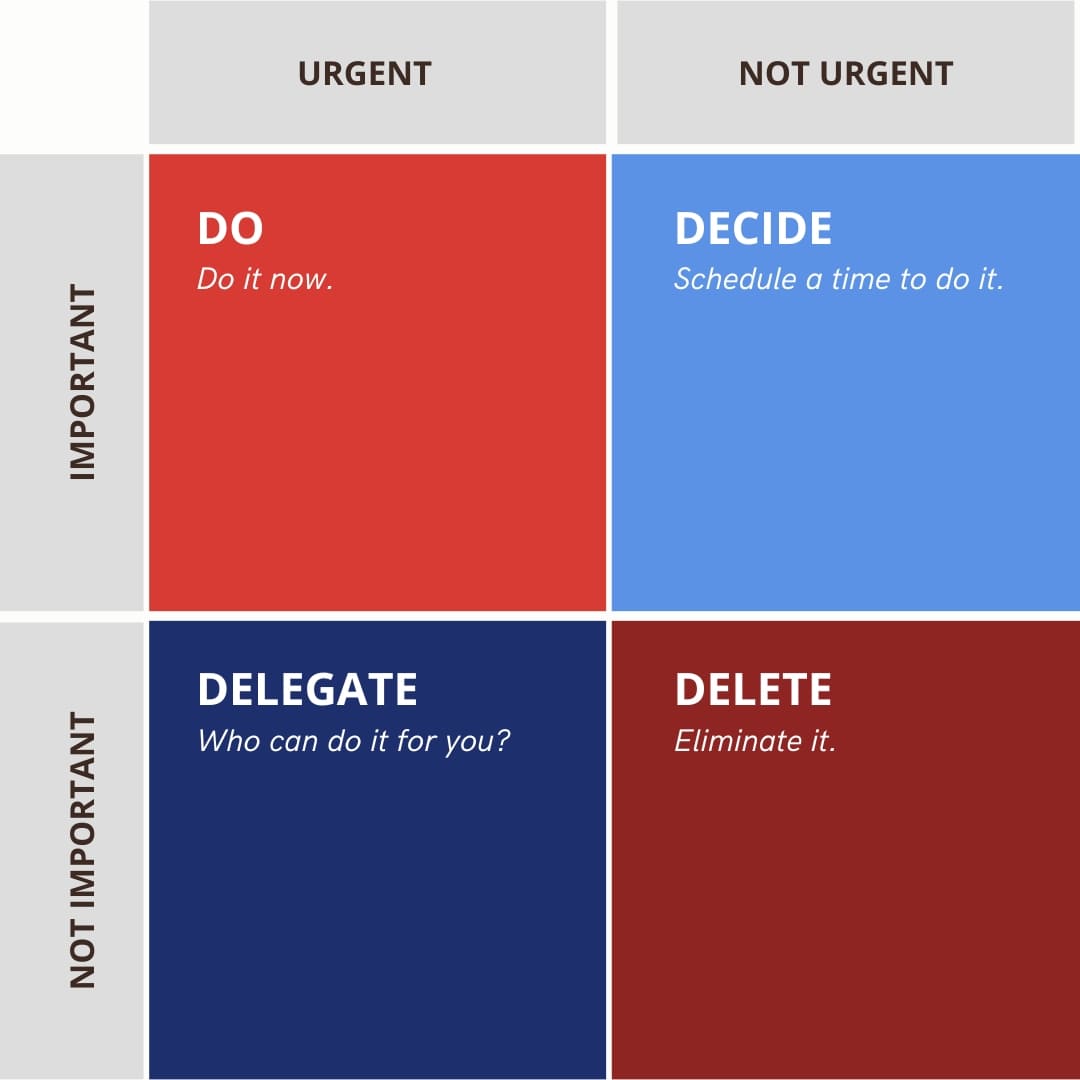
    Understanding and Applying the Eisenhower Matrix

    17 Feb 2023
    Blog, IB, IGCSE

    Role of Mock Exams in Upping the Grade

    23 Jan 2023
    Blog, IGCSE

    7 Tips to Improve Your Descriptive Writing

    10 Dec 2022
    Blog, IB, IGCSE, Mental Health, University

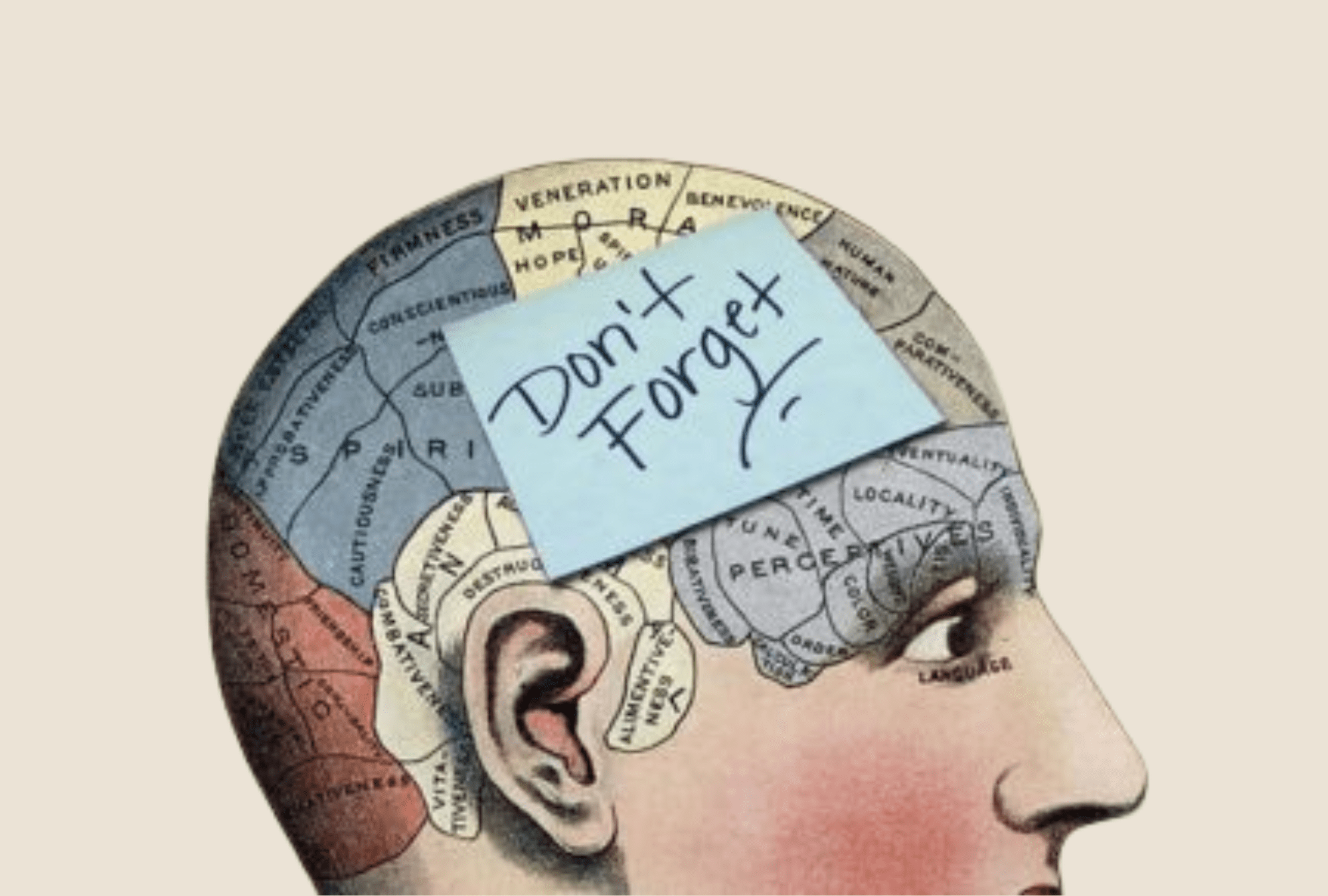
    Using Loci to Learn Effectively

    18 Nov 2022
    Blog, IB, IGCSE, Mental Health, University

    How Mind Maps Help You Study Better

    05 Nov 2022
    « Previous 1 … 4 5 6 7 8 9 Next »
    Blog, Books, Exams, General, IB, Learning, Study Tips

    Excelling in IB: The Open Book Advantage

    14 Nov 2024
    Blog, IB

    Writing Your IB Economics IA? Read This

    08 Nov 2024
    Blog, Extra Curriculars, General, IB, Learning, Study Tips, University

    Making CAS Your Own: Complete Requirements Through Your Hobbies

    01 Nov 2024
    Blog, IB

    A Crash Course on The Extended Essay

    25 Oct 2024
    Blog, General, IB, Learning, Study Tips, ToK, University

    A Comprehensive Guide to ToK Essays and Exhibitions for 2025

    17 Oct 2024
    Blog, IB

    Five Reasons Why You Must Visit Your Potential College

    23 Aug 2024
    Blog, IB

    Essential Questions To Ask Yourself While Choosing The Right University

    20 Aug 2024
    Blog, IB, Learning, Study Tips

    Lights, Camera, Study: A Guide on Studying for IB Film

    05 Apr 2024
    Blog, Exams, IB, News

    Important Announcement for IB Exam Prep Workshops

    05 Apr 2024
    « Previous 1 … 4 5 6 7 8 … 12 Next »
    Blog, University

    Ivy League Acceptance Rates at an All-Time Low

    27 Apr 2022
    Blog, Extra Curriculars, IB, IGCSE, University

    Summer Activities that will make your college application stand out

    04 Apr 2022
    Blog, IB, IGCSE, University

    The Art of Effective Note-Taking

    20 Mar 2022
    Blog, IB, IGCSE, Mental Health, University

    Top Tips on Having Fun while Studying

    13 Mar 2022
    Blog, University

    Proven Strategies to Perfect Your SAT English Score

    06 Mar 2022
    Blog, IB, IGCSE, University

    The Importance of Reading and Writing in English

    23 Feb 2022
    Blog, IB, IGCSE, University

    Importance of Learning a Foreign Language

    04 Feb 2022
    Blog, IB, IGCSE, University

    The Importance of a Good STEM Teacher

    23 Nov 2021
    Blog, University

    Tips to Write a Winning University Essay!

    08 Nov 2021
    « Previous 1 … 4 5 6 7 Next »
    No posts found.
    No posts found.
    No posts found.

    Categories

    • IGCSE
    • IB
    • University
    • Extra Curriculars
    • Mental Health
    • Beyond Academics
    • Beyond Academics, Blog, Extra Curriculars, Learning, Study Tips

      Essential Digital Skills for Teens (Beyond Instagram)

      20 Jun 2025
      Blog, Exams, IB

      IB Individual Oral: How to Handle Q&A Like a Pro

      13 Jun 2025
      Blog, IB, IGCSE, Learning, Study Tips

      Financial Literacy for IB & IGCSE Students: A Parent’s Guide

      06 Jun 2025
      Beyond Academics, Blog, Extra Curriculars

      Top Netflix Shows to Watch After Your IB/IGCSE Exams

      30 May 2025
      News

      Young Scholarz Hosts Free Mental Health Workshop to Help Students Manage Exam Stress

      24 Mar 2025
      News

      Free IB English Lang-Lit Paper 1 Workshop with Sunita Sharma – Don’t Miss Out!

      08 Mar 2025
      Blog, IB

      Modern vs. Classic IB Literature: Which is Harder to Analyse?

      07 Mar 2025
      Blog, IB

      Time and Futility in The Cherry Orchard and Waiting for Godot

      04 Mar 2025
      News

      IBDP Workshops Now Running: Free First Session!

      01 Mar 2025
      « Previous 1 … 4 5 6 7 8 … 20 Next »
    Beyond Academics, Blog, Extra Curriculars, Learning, Study Tips

    Essential Digital Skills for Teens (Beyond Instagram)

    20 Jun 2025
    Blog, Exams, IB

    IB Individual Oral: How to Handle Q&A Like a Pro

    13 Jun 2025
    Blog, IB, IGCSE, Learning, Study Tips

    Financial Literacy for IB & IGCSE Students: A Parent’s Guide

    06 Jun 2025
    Beyond Academics, Blog, Extra Curriculars

    Top Netflix Shows to Watch After Your IB/IGCSE Exams

    30 May 2025
    News

    Young Scholarz Hosts Free Mental Health Workshop to Help Students Manage Exam Stress

    24 Mar 2025
    News

    Free IB English Lang-Lit Paper 1 Workshop with Sunita Sharma – Don’t Miss Out!

    08 Mar 2025
    Blog, IB

    Modern vs. Classic IB Literature: Which is Harder to Analyse?

    07 Mar 2025
    Blog, IB

    Time and Futility in The Cherry Orchard and Waiting for Godot

    04 Mar 2025
    News

    IBDP Workshops Now Running: Free First Session!

    01 Mar 2025
    « Previous 1 … 4 5 6 7 8 … 20 Next »

    Let’s face it—being able to post reels, create the perfect BeReal moment, or rack up views on Instagram Reels or TikTok might earn you clout now, but those skills aren’t exactly what’ll help you in a lecture hall or job interview. The digital world is bigger than social media, and before you step into college, there are a few actual tech skills you’ll want in your toolkit.

    Whether you’re headed to a liberal arts college or a STEM powerhouse, mastering these essential digital skills will save you time, reduce stress, and maybe even land you your first internship. Let’s break it down:

    1. Google Workspace Isn’t Just for School Docs

    We’re talking Google Docs, Slides, Sheets, Drive, and how to use them efficiently. Knowing how to:

    • Collaborate on a doc in real time
    • Use comments and suggestions to edit
    • Format a research paper using styles
    • Organize files into folders (yes, actual folders)

    These will help you survive group projects, deadlines, and messy digital chaos. 

    2. Cloud Storage = Digital Backpack

    Gone are the days of “I forgot my USB drive.” You need to know how to use cloud storage—Google Drive, Dropbox, OneDrive—so you can:

    • Back up your assignments automatically
    • Access files from any device
    • Share folders with professors and peers
    • Avoid losing your only copy of an essay 2 hours before the deadline
    • Make this your new normal: if it’s important, it lives in the cloud.

    3. LinkedIn Isn’t Just for Adults

    Yes, even as a teen, you should know how to:

    • Set up a basic LinkedIn profile (even if you haven’t worked a job yet!)
    • Highlight extracurriculars, online courses, or volunteer work
    • Connect with teachers, mentors, and alumni
    • Follow universities or organizations that interest you

    Building a digital footprint early means opportunities can find you—internships, scholarships, and summer programs often browse through student profiles.

    4. Email Like a Professional

    Your email etiquette says more about you than you think. Learn how to:

    • Write subject lines that are clear, not clickbait
    • Start with “Dear” or “Hi” (not “Hey!” unless you’re replying to a peer)
    • Be concise and polite
    • Proofread before hitting send
    • Attach files before you forget
    • Also, learn to manage your inbox—labels, folders, and the archive button are your best friends.

    5. Basic Design Tools for Polished Presentations

    You don’t need to be a Canva wizard, but knowing how to use it—or even basic PowerPoint design tips—can make your presentations stand out without screaming “Grade 6 slideshow.” Learn:

    • How to use templates effectively
    • Colour and font consistency
    • Adding graphics without clutter
    • Making your visuals support your message, not distract from it
    • These come in handy whether you’re pitching a club idea or presenting in class.

    6. Digital Research 101

    It’s not just about Googling the answer. Learn to:

    • Use Google Scholar and JSTOR for academic sources
    • Know the difference between reliable and clickbait sites
    • Cite sources correctly (yes, there are tools for that—like Zotero and EasyBib!)
    • Cross-check facts before quoting them in your essays
    • The internet is a powerful research assistant—if you know where to look.

    7. Basic Cybersecurity & Digital Hygiene

    Before you move into a shared dorm network and start logging into everything from everywhere, learn the basics of:

    • Creating strong, unique passwords (and using a password manager)
    • Recognizing phishing scams
    • Keeping your software updated
    • Enabling 2-factor authentication
    • Knowing what info not to post online

    Privacy and safety matter, and they start with good digital habits.

    8. Digital Time Management Tools

    College will test your ability to manage freedom. Use tools like:

    • Todoist or Notion for task management
    • Google Calendar for class, assignment, and personal planning
    • Forest or Pomofocus for concentration boosts
    • Habit trackers to build daily consistency

    It’s not about being “type A”—it’s about not forgetting to eat because you had three essays due.

    9. Learn Basic Excel/Google Sheets Formulas

    • Even if you’re not a numbers person, learning simple functions like SUM, AVERAGE, and FILTER can help you:
    • Track your budget
    • Organize applications or assignments
    • Create quick surveys or schedules

    Trust us, future group projects and data logs will thank you.

    10. Basic Video Editing Skills

    Video Editing Skills

    Even a little editing knowledge using tools like CapCut, Canva, or iMovie can help you:

    • Create polished presentations
    • Submit creative assignments
    • Market your side hustle or passion project

    It’s not just for influencers—it’s a useful life skill now.

    11. Take an Online Course

    • Sites like Coursera, Skillshare, or Google Digital Garage offer short, free courses on everything from digital marketing to AI basics. 
    • Add these to your resume or LinkedIn—it shows initiative and builds your knowledge.

    12. Clean Up Your Digital Footprint

    Before you apply to colleges or internships:

    • Google yourself
    • Delete or private anything unprofessional
    • Update your bios and profile pictures

    Your online presence is your new first impression.

    13. Know How to Convert & Compress Files

    Professors will ask for assignments in specific formats—PDF, DOCX, or even MP4. Learn how to:

    • Convert files between formats (Word to PDF, etc.)
    • Compress large files without losing quality (especially videos or presentations)
    • Use tools like SmallPDF, iLovePDF, Zamzar, or HandBrake
    • This saves you from panicking 5 minutes before submission.

    14. Master Digital Collaboration Tools

    College = group work. Get comfortable with tools like:

    • Google Meet, Zoom, or Microsoft Teams
    • Slack or Discord (yes, it’s for more than gaming!)
    • Shared docs with version history

    Being able to coordinate remotely makes you a group project MVP.

    15. Create a Digital Portfolio

    Start compiling your best work—writing, designs, coding, art, even presentations—into a simple digital portfolio:

    • Use platforms like Notion, Wix, or even Google Sites
    • Great for college applications, internships, or creative programs
    • Shows initiative and professionalism

    Think of it as your digital brag folder, but make it sleek.

    Final Word:

    College isn’t just a new academic journey—it’s your first step into real independence. And while knowing how to create a viral reel might get you likes, knowing how to send a professional email, organize your cloud files, or build your digital portfolio will get you internships, opportunities, and confidence.

    These skills aren’t just “nice to have”—they’re your new survival kit.

    So before you dive into dorm life, campus cafés, and endless assignments, take the time to sharpen these digital tools. It’s one of the smartest ways to future-proof yourself.

    At Young Scholarz…

    At Young Scholarz, we don’t just help students ace the IB and IGCSE—we help them grow into life-ready, world-ready individuals. From exam prep to essential skills like research, presentation, and digital organization, our mentoring equips teens for success beyond the classroom.

    Let’s get your future started—one smart skill at a time.

    Have you ever been in a conversation that left you fumbling for an answer? And it later embarrassed you, creeping into your consciousness in the middle of a happy moment – like the birthday cake is being cut, but your brain decides to replay the other day when you blanked out in class? You’re not alone. That awkward pause, the internal scramble for words, the mild panic – it’s all part of being human. Fast forward to your present IB Individual Oral.

    This happens often during academic discussions too, especially in high-pressure situations like a debate, or even the IB Individual Oral (IO). Whether you’re doing IB English LangLit or IB English Literature, the IO is a deeply analytical, highly personal task that requires both preparation and spontaneity, right from grade 11. While the first 10 minutes of your IO are scripted and practised, the real test of your analytical agility often lies in the final 5 minutes – the follow-up questions from your teacher.

    So how can you stay calm, confident, and eloquent during this unpredictable part of the IO? How do you think on your feet without sounding rushed or rehearsed?

    Let’s break it down.

    1. Focus on the Question

    It might sound obvious, but in a moment of stress, it’s surprisingly easy to mishear or misinterpret the question. You might latch on to a word like “symbolism” or “structure” and start talking about something you prepared… only to realise halfway through that you’ve veered off track.

    Here’s a tip: pause. Take a second to breathe, mentally repeat the question to yourself, and identify what’s actually being asked. Is it about the writer’s intention? Is it about context? Language? Mood? Structure?

    Repeat or rephrase the question in your mind (or out loud if it helps): “So you’re asking how the writer uses irony in this extract…” This not only buys you time, but also ensures that your answer is focused and relevant. If in case you zoned out due to anxiety and didn’t hear the complete question, please ask the examiner to repeat it. It’s better to ensure the accuracy rather than answering off track.

    2. Narrow the Question

    Some questions can feel big – too big. “Can you talk about the writer’s use of language in this extract?” is one of those wide-open prompts. Instead of panicking, zoom in. Find an entry point. You don’t need to cover everything – in fact, you shouldn’t.

    Pick one or two devices that stand out and discuss them well, rather than rushing through a list. Maybe it’s the repetition of certain phrases, or the tone shifts, or the contrast between two voices. Choose what feels most familiar and anchor your answer there.

    This strategy also shows critical thinking: instead of surface-level commentary, you’re prioritising depth over breadth. That’s what the examiner is looking for.

    3. Sort Between What You Know and Don’t Know

    Here’s a secret: you don’t have to know everything. Examiners don’t expect you to deliver a thesis on postcolonial literary theory if they ask you a question about identity. What they’re looking for is how you handle the question.

    If you’re unsure, fall back on your instincts and personal engagement with the text. Can’t remember the exact term for a technique? Describe it instead. Can’t link it to the wider body of work? Relate it to the extract and your global issue.

    And if you draw a blank, try this: “I’m not entirely sure about that aspect, but what I do notice is…” – and redirect the answer towards something relevant. This isn’t deflection; it’s strategy. It shows that you can stay composed under pressure and still provide insightful commentary.

    4. Break Your Answer into Segments

    Thinking on your feet becomes easier when you have a structure to fall back on. A simple trick? Think in threes.

    Let’s say you’re asked, “How does the writer present power dynamics in this extract?” Instead of trying to build one long, fluid argument on the spot, mentally divide your answer into three points:

    • A technique used (e.g. dialogue or tone)
    • The effect it creates
    • A link to the global issue or the wider body of work

    This mini-structure helps you stay organised, reduces rambling, and builds a logical flow. Plus, it makes you sound confident – even if you’re just pulling it together as you speak.

    5. Link Back to Your Global Issue

    This is your home base. The global issue you’ve chosen in your IB Individual Oral is your anchor – it’s what ties your extract, your work, and your analysis together.

    So whenever you feel a little adrift in a follow-up question, steer the conversation back to your global issue. For example, if your IO is about the representation of marginalised voices, and the question is about imagery in the extract, frame your answer in terms of how that imagery contributes to the marginalisation or empowerment of those voices.

    Examiners love to see thematic coherence. If you’re able to consistently refer back to your global issue, it shows depth and originality – and that you’ve truly internalised the core focus of your IO.

    6. How to Get Better at Thinking on Your Feet

    Just like any other skill, improvisation takes practice. And the best part? You can train for it – no drama degree required.

    Here are a few ideas to try out:

    • Brain Dumping: Set a timer for 2–3 minutes and respond to a random IO-style question (you can even make flashcards). Write or say whatever comes to mind without filtering yourself. Then review and refine.
    • Voice Notes: Record yourself answering questions out loud. This helps you get used to your own voice and rhythm. You’ll begin to notice patterns – where you hesitate, what phrases you rely on, and where you can improve.
    • Daily Journal or Verbal Practice: Summarise what you read or watched that day, and connect it to a theme or global issue. This daily habit sharpens your analytical thinking and verbal agility.
    • Mock Q&As with Friends or Tutors: Ask someone to throw you a few spontaneous questions. Practise handling curveballs in a safe, supportive space.

    In conclusion

    The final 5 minutes of the IO might seem like the most daunting part – but they’re also the most dynamic and revealing. They give you a chance to demonstrate your personal engagement, critical thinking, and resilience under pressure. It’s not about being perfect. It’s about staying present, staying sharp, and trusting your preparation.

    If you’re still unsure or just want more individualised support, Young Scholarz offers dedicated one-on-one IO prep sessions with our highly qualified and experienced IO guides and IB examiners, tailored for both IB English Literature and IB English LangLit students. These sessions are designed not just to refine your script but to build your confidence in the unscripted – so you can walk into that room ready for anything.

    Ready to master the art of thinking on your feet? Book a session now and turn your IO into a conversation you’ll be proud of.


    Financial Literacy for IB & IGCSE Students: A Parent’s Guide- Young Scholarz

    In a world of online shopping, digital wallets, and instant gratification, teaching your child how to manage money is no longer optional — it’s essential. While IB and IGCSE curricula build academic excellence, financial literacy is a life skill that needs to be taught at home.

    The good news? You don’t need to be a finance expert to help your child develop a healthy relationship with money. You just need a plan — and a bit of patience.

    Why Start Early?

    Financial Literacy for IB & IGCSE Students: A Parent’s Guide

    Financial habits begin forming as early as middle school. By the time students reach IB and IGCSE levels (Grades 9–12), they are:

    • Making independent spending decisions
    • Handling pocket money, allowances, or part-time income
    • Planning for future expenses (university, travel, tech gadgets)
    • Getting exposed to peer pressure and consumer culture

    Teaching them how to budget, save, and spend wisely prepares them not only for university but for life.

    What is Financial Literacy?

    Financial literacy is more than math. It’s about:

    • Understanding the value of money
    • Learning to budget and save
    • Making smart spending decisions
    • Grasping basic concepts like interest, loans, and investments.

    Think of it as emotional intelligence for money — helping your child manage their finances without anxiety or impulse.

    How Parents Can Start Teaching Financial Literacy

    1. Give an Allowance — With Boundaries

    How Parents Can Start Teaching Financial Literacy

    Start with a fixed monthly allowance in SGD or USD — even SGD $50 or USD $40 is enough.

    Encourage them to divide it for:

    • Daily expenses (snacks, school supplies, transport)
    • Wants (streaming, outings, small splurges)
    • Savings (for bigger items or emergencies)

    Important: Don’t top up when they run out. Let them face natural consequences to learn planning and prioritisation.

    2. Introduce Budgeting Tools

    Use simple tools:

    • A notebook
    • Budgeting apps like Money Lover, GoHenry, Planner Bee or Spendee
    • A shared Google Sheet to track monthly inflow and outflow

    Watch how they spend, and gently discuss what worked and what didn’t each month.

    3. Use the 50/30/20 Rule

    Break income down into:

    • 50% Needs (transport, food, basic school items)
    • 30% Wants (entertainment, clothes, hobbies)
    • 20% Savings or goals (future tech, travel, charity)

    It’s a simple formula that keeps spending healthy and guilt-free.

    4. Talk About Real Costs

    Include them in conversations about:

    • Monthly bills and how much groceries cost
    • Why Wi-Fi isn’t “free”
    • Budgeting for school trips, exam fees, or gadgets

    IB/IGCSE bonus: This helps them connect financial awareness to subjects like Economics, Global Perspectives, and ToK.

    5. Set Financial Goals Together

    Help them set goals like:

    • Save SGD $200 / USD $150 in 6 months for a new tablet
    • Donate SGD $10 / USD $7 monthly to a cause they care about
    • Budget SGD $25 / USD $20 for a friend’s birthday gift

    Track their progress and celebrate milestones — even small wins matter.

    6. Teach About Digital Spending

    Teens today use:

    • Google Pay, Apple Pay, or local equivalents
    • Debit cards or prepaid student cards
    • In-app purchases, subscriptions, and e-wallets

    Help them:

    • Read transaction history
    • Unsubscribe from auto-renewals
    • Spot scams and fake links
    • Set monthly digital spending caps

    7. Model Financial Responsibility

    Kids learn more from what you do than what you say. Share:

    • How you budget for family expenses
    • Why you save for emergencies
    • How you resist impulse spending

    “Money talks” around the dinner table can be powerful.

    Why It Matters for IB & IGCSE Students

    • Teens in these programs are already planning for their futures. Financial literacy helps them:
    • Reduce stress from unexpected expenses
    • Make informed choices about study abroad and applications
    • Understand global financial systems
    • Link classroom theory to real-world application
    • Plan effectively for CAS projects or university savings

    Final Thought: Start Small, Stay Consistent

    You don’t need to give formal lectures. Start with small, everyday lessons and let them take the lead. Let them make a few money mistakes — and learn from them.

    Because teaching your child to manage SGD $100 / USD $75 today could prevent a crisis with SGD $10,000 / USD $7,500 tomorrow.

    At Young Scholarz…

    We don’t just prepare students for exams — we prepare them for life. Through personalised mentoring and a real-world approach to learning, we help IB and IGCSE students grow into confident, independent thinkers. Whether it’s scoring a 7 or learning how to budget, Young Scholarz is here to guide your child every step of the way.

    Top Netflix Shows to Watch After Your IB/IGCSE Exams
    Unwind after your IB/IGCSE exams with 15 top Netflix picks to watch — from Stranger Things to Friends — plus mood-based recommendations for every post-exam vibe.
     
    Because your brain deserves a well-earned break. You’ve done the mocks, survived the stress, and conquered the exams. Now what? Before diving into summer bootcamps or planning your uni dreams (don’t worry — we’ll help with that too), take a pause.

    You’ve earned it.

    Whether you’re into drama, laughter, mystery, or feel-good fluff, this list has something for every post-exam mood. So grab your snacks, put your phone on silent (or don’t), and dive in.

    1. Stranger Things (Series)

    Top Netflix Show  After Your IB/IGCSE Exams- Stranger things

    Genre: Sci-Fi, Horror, Coming-of-Age
    Summary: When a young boy goes missing in small-town Indiana, his friends stumble upon a mysterious girl with telekinetic powers — and uncover a terrifying alternate world known as the Upside Down.
    Why Watch it? It’s thrilling, nostalgic, and wildly bingeable. Perfect for fans of suspense, found-family friendships, and Dungeons & Dragons references.

    2. A Man Called Otto (Movie)

    Top Netflix Shows to Watch After Your IB/IGCSE Exams- A man called otto

    Genre: Drama, Feel-Good, Emotional
    Summary: Otto is a lonely, grumpy widower with a rigid daily routine and no intention of changing — until a cheerful young family moves in next door and starts chipping away at his emotional walls.
    Why Watch it? It’s heartwarming, funny, and deeply moving. If your exams drained your soul, Otto might just refill it.

    3. The Good Doctor (Series)

    Watch After Your IB/IGCSE Exams- the good doctor

    Genre: Medical Drama
    Summary: Shaun Murphy, a brilliant young surgeon with autism and savant syndrome, joins a prestigious hospital and battles prejudice while saving lives.
    Why Watch it? It’s inspiring, educational, and emotionally gripping — especially if you’re into medicine, mental health, or rooting for the underdog.

    4. The Green Mile (Movie)

    Genre: Drama, Fantasy, Crime
    Summary: A death row prison guard in the 1930s encounters a gentle giant of an inmate with mysterious healing powers, changing the way he sees life, death, and justice.
    Why Watch it? It’s haunting, powerful, and emotionally unforgettable. Watch when you want to feel everything.

    5. The Intern (Movie)

    Genre: Feel-Good, Comedy-Drama
    Summary: A 70-year-old widower (Robert De Niro) joins a fashion startup as an intern and forms an unexpected friendship with the ambitious young CEO (Anne Hathaway).
    Why Watch it? It’s sweet, smart, and uplifting. A reminder that success, self-worth, and second chances come at any age.

    6. Naruto / Naruto: Shippuden

    Genre: Anime, Action, Coming-of-Age
    Summary: Orphaned and misunderstood, Naruto dreams of becoming Hokage — the strongest ninja in his village. His journey is filled with epic fights, emotional arcs, and evolving friendships.
    Why Watch it? If you’ve never had time for a long anime series — now you do. It’s deep, dramatic, and surprisingly emotional.

    7. The Haunting of Hill House (Series)


    Genre: Horror, Drama, Supernatural
    Summary: A fractured family revisits their haunted childhood home as adult trauma resurfaces through ghostly encounters and terrifying memories.
    Why Watch it? It’s not just scary — it’s beautifully written, visually stunning, and deeply emotional. Best watched in the dark (if you dare).

    8. Mission: Impossible (Movie Series)

    Genre: Action, Spy Thriller
    Summary: Ethan Hunt, a top-level secret agent, takes on impossible missions involving espionage, betrayal, and stunts that defy gravity.
    Why Watch it? It’s the ultimate adrenaline kick after weeks of sitting in exams. High-octane fun that’s slick, smart, and action-packed.

    9. The Queen’s Gambit (Series)

    Genre: Drama, Sports, Period Piece
    Summary: A young chess prodigy rises through the ranks of 1960s tournaments while battling addiction, loneliness, and societal expectations.
    Why Watch it? Visually gorgeous and emotionally gripping. You’ll never look at chess the same way again.

    10. Bulbbul (Movie – Hindi)

    Genre: Fantasy, Gothic Horror, Feminist Fable
    Summary: Set in colonial Bengal, this eerie tale follows a mysterious woman with a dark past and whispers of a chudail (witch) in the forest.
    Why Watch it? Visually stunning and layered with symbolism. It’s a haunting blend of folklore, feminism, and slow-burn horror.

    11. Brooklyn Nine-Nine (Series)

    Genre: Comedy, Police Procedural
    Summary: An immature but brilliant NYPD detective solves crimes with a hilarious, quirky team in Brooklyn’s 99th precinct.
    Why Watch it? If exams drained your brain, this show will bring the serotonin back. Laugh-out-loud funny with lovable characters.

    12. Heartstopper (Series)

    Genre: Teen Drama, LGBTQ+
    Summary: Two British schoolboys form an unexpected friendship that blooms into a sweet, slow-burn romance.
    Why Watch it? It’s wholesome, inclusive, and endlessly rewatchable. Perfect for when you want soft vibes and real feelings.

    13. Never Have I Ever (Series)


    Genre: Teen Comedy, Coming-of-Age
    Summary: Indian-American teen Devi tries to reinvent herself after a tough year, while juggling family, identity, and an ongoing crush triangle.
    Why Watch it? It’s funny, chaotic, and painfully relatable. Especially great for students figuring themselves out.

    14. Sex Education (Series)

    Top Netflix Shows to Watch After Your IB/IGCSE Exams- sex education

    Genre: Teen Comedy, Drama
    Summary: Socially awkward Otis starts giving sex advice to fellow students — with hilarious, awkward, and surprisingly heartwarming consequences.
    Why Watch it? Bold, hilarious, and brilliantly diverse. It’s a mix of real teen issues, quirky characters, and surprisingly touching storylines.

    15. Friends (Series)

    Top Netflix Shows to Watch After Your IB/IGCSE Exams- Friends

    Genre: Sitcom, Classic Comedy
    Summary: Six friends living in New York navigate life, love, and careers in this iconic sitcom that basically raised an entire generation.
    Why Watch it? Comfort TV at its finest. Whether it’s your first time or your 50th rewatch, it never gets old.

    Quick Picks Based on Your Mood

    • Need to feel smart again? → The Queen’s Gambit, The Good Doctor

    • Want to feel good and not think too much? → The Intern, Brooklyn Nine-Nine, Otto, Friends

    • In the mood for mystery or chills? → Haunting of Hill House, Stranger Things, Bulbbul

    • Want to cry a little (or a lot)? → The Green Mile, Heartstopper, Otto

    • Craving chaos and action? → Mission: Impossible, Naruto

    • Still low-key into school vibes? → Sex Education, Never Have I Ever, The Good Doctor, Stranger Things

    Final Thoughts

    Post-exam life isn’t just about bingeing, but you’ve earned the right to press pause. So enjoy these shows guilt-free. And when you’re ready, we’re here to help you prep for the next chapter of your academic journey.

    Ready to level up your summer?
    At Young Scholarz, we specialize in helping students like you not just survive school, but thrive. Whether it’s boosting performance in IB/IGCSE subjects, building confidence, or turning your passion into a skill, we’re with you every step of the way.


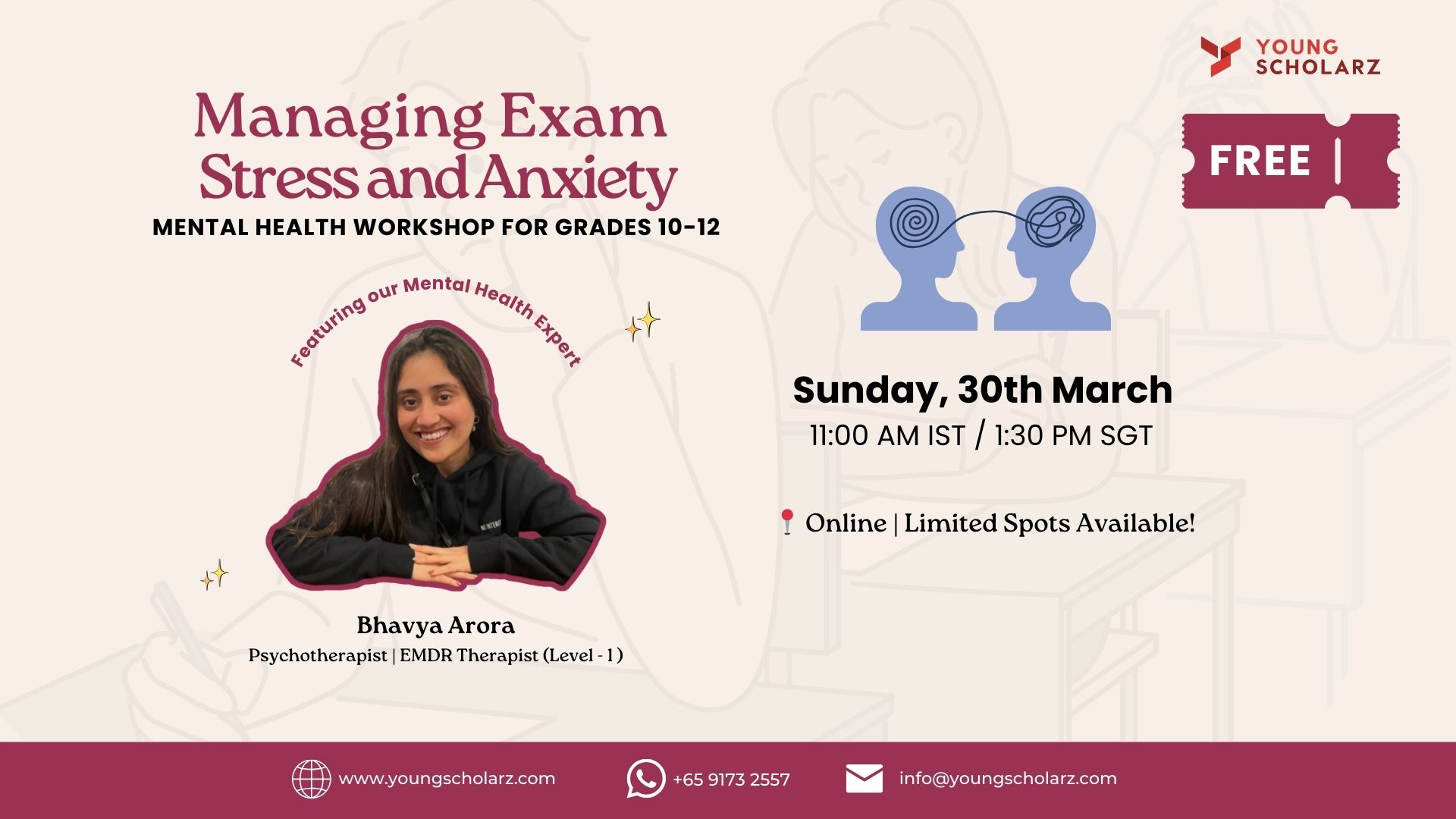
    With exams around the corner, many students find themselves struggling with stress, anxiety, and self-doubt. To provide much-needed support, Young Scholarz is hosting a free online mental health workshop designed specifically for students in Grades 10–12.

    This interactive session, led by renowned psychotherapist Bhavya Arora, will introduce students to practical somatic techniques that help regulate anxiety, an engaging exercise to identify and navigate personal triggers, and private self-practice methods to build emotional resilience. The goal? To empower students with scientifically backed tools that will not only help them stay calm during exams but also improve their focus, retention, and overall well-being.

    “Exam stress is real, but it doesn’t have to be overwhelming,” says Sunita Sharma, Founder of Young Scholarz. “Through this workshop, we aim to equip students with simple yet effective techniques to manage stress and approach their exams with a clear, confident mindset.”

    Unlike traditional stress-management workshops, this session will provide immediate, actionable strategies that students can integrate into their daily routines—without adding to their workload. Set in a safe, no-pressure environment, it’s the perfect opportunity for students to take a proactive step toward better mental health and academic success.

    📅 Sunday, 30th March
    🕚 1:30 PM SGT / 11 AM IST
    📍 Online (Limited Spots Available!)

    🔹 Register now & invest in your well-being: https://bit.ly/4hpYYrU

    Help your child take control of exam stress, boost their performance, and step into their exams with confidence. Secure their spot today!

    #ExamStress #MentalHealthMatters #YoungScholarz #StudentWellbeing #MindOverMatter

    Get ready to revolutionize your approach to IB English Language and Literature Paper 1! For the first time ever, we’re thrilled to announce a completely FREE workshop led by the renowned, English specialist, Sunita Sharma. This is your exclusive opportunity to gain invaluable insights and strategies directly from a seasoned expert.

    Sunita Sharma’s name is synonymous with IB success. Her deep understanding of the syllabus and her ability to simplify complex concepts have helped countless students achieve their academic goals. In this groundbreaking workshop, she will focus specifically on Paper 1, demystifying the analysis of unseen texts and equipping you with the tools to excel.

    What you’ll gain:

    • Expert Guidance: Learn directly from Sunita Sharma, a leading IB English Lang-Lit specialist.
    • Paper 1 Mastery: Learn the techniques to analyzing unseen texts with confidence.
    • Practical Strategies: Discover proven ways to boost your performance and maximize your marks.
    • Free Access: This invaluable workshop is offered completely free of charge!

    Don’t miss this unique opportunity to elevate your IB English Lang-Lit skills. Spaces are limited, so register now to secure your spot in this historic event!

    WhatsApp us here to sign up: https://wa.link/wi3rlj (+65 91732557) or register directly here: Cracking the secrets of the IB.

    Imagine this: You’re staring at two books from your IB Literature course on your desk. One is a battered old copy of Shakespeare’s “Hamlet”, filled with words that clearly don’t belong in this century. The other is a sleek, modern novel like Kazuo Ishiguro’s “Never Let Me Go”, where everything is written in simple English, yet it’s a task to find the deeper meaning.

    Which one do you think would be harder to analyse?

    If you’re preparing for IB English Literature, this question may have occurred to you. Some students find older texts overwhelming because of their archaic language and historical context. Others struggle with modern works because their subtle themes and experimental styles leave too much room for interpretation.

    So, which is truly more difficult—classic or modern literature? And more importantly, how can you conquer both in your IB exams? Let’s dive in.

    Classic Literature: The Challenge of Language and Context

    Classic literature, spanning from Shakespeare to Austen to Dickens, forms a significant part of the IB English Literature syllabus. These texts, often written centuries ago, require students to decipher archaic language, unfamiliar idioms, and cultural references that may seem alien to modern readers.

    Take Shakespeare, for example. His plays are literary masterpieces, but they also contain metaphors, puns, and poetic structures that demand careful dissection. Understanding Elizabethan English is a task in itself, let alone analysing the multiple layers of meaning behind his words.

    Why Classic Texts Can Be Harder to Analyse:

    1. Complex Language – Unfamiliar vocabulary and sentence structures can slow down comprehension.
    2. Historical Context – Without understanding the social, political, and cultural climate of the time, key themes may be lost.
    3. Dense Symbolism and Themes – Many classics are packed with allegories, references, and deeper meanings that require extensive research.

    Why Classic Literature Can Be Easier:

    • The themes are often universal – love, power, revenge, ambition – making them relevant across generations.
    • Critics and scholars have written plenty of resources on classic texts, helping students access interpretations and discussions that enrich their analysis.

    Modern Literature: The Challenge of Interpretation

    On the other end of the spectrum, modern literature offers texts written in more accessible language. Books from the 20th and 21st centuries often tackle contemporary themes, making them relatable and easier to digest. However, this does not mean they are simple to analyse.

    Contemporary authors experiment with narrative structures, unreliable narrators, and fragmented storytelling. A novel like Kazuo Ishiguro’s “Never Let Me Go” or Toni Morrison’s “Beloved” challenges readers not with complex words, but with abstract themes, implicit symbolism, and layered storytelling.

    Why Modern Texts Can Be Harder to Analyse:

    1. Ambiguity – Unlike classics that follow clear structures, modern works often leave interpretations open-ended.
    2. Experimental Forms – Non-linear narratives, stream-of-consciousness writing, and shifting perspectives can be confusing.
    3. Subtlety of Themes – Modern authors rarely explain their messages explicitly, requiring readers to infer meaning through nuanced details.

    Why Modern Literature Can Be Easier:

    • The language is more familiar, making the text accessible from the first read.
    • Contemporary themes, such as identity, technology, or mental health, feel relevant to students.

    Which is Harder in IB English Literature?

    The difficulty of analysis depends on individual students’ strengths and preferences.

    • If you excel in historical research and enjoy digging into deeper meanings, you might find classics easier to analyse.
    • If you are good at detecting subtext and interpreting implicit messages, modern texts might be your strong suit.

    From an IB English Paper 1 perspective (unseen text analysis), modern texts might be slightly easier due to their familiar language. However, IB English Paper 2 (comparative essays) might challenge students more with modern texts because of their abstract themes.

    How to Master IB English Literature Analysis

    Regardless of whether you’re tackling Shakespeare or Atwood, here are some top tips to improve your analysis skills:

    1. Understand the Context

    For classics, research the historical background. For modern texts, consider the social and political influences on the author.

    2. Annotate as You Read

    Make notes on key themes, motifs, and stylistic features to build a strong argument in essays.

    3. Compare and Contrast

    Think about how classic and modern texts approach similar themes differently. This helps in IB Paper 2 when comparing works.

    4. Practise Timed Analysis

    For Paper 1, practise breaking down unseen texts within 90 minutes to improve your speed and precision.

    5. Seek Guidance and Feedback

    Join group classes or solo sessions for expert guidance in breaking down literary texts and structuring your answers effectively.

    Ace Your IB English Exams with Young Scholarz

    At Young Scholarz, we specialise in helping IB students master literary analysis for IB English Paper 1 and Paper 2. Whether you prefer the richness of classics or the subtlety of modern texts, our expert tutors will guide you in group classes or individual sessions to refine your skills.

    Why Choose Young Scholarz?

    • Expert IB Tutors with years of experience
    • Personalised Coaching – tailored strategies for each student
    • Interactive Classes – engaging discussions that bring literature to life
    • Proven Exam Prep Techniques to maximise your score

    Register today and start your journey towards excelling in IB English Literature!

    Need more info? Contact us on WhatsApp for quick assistance: +65 9173 2557

    Visit our registration page to book your first session!


    Picture this: You’re staring at your IGCSE Literature syllabus, realising you’ve got The Cherry Orchard and Waiting for Godot on your reading list. Two plays, both packed with deep existential themes, and both making you question whether anything actually happens in them. But before you spiral into an existential crisis of your own, let’s break them down—particularly their treatment of time and futility—to help you ace your exams with the wisdom of Chekhov and Beckett, and maybe a little help from Young Scholarz!

    Time on stage

    Time: A Slippery Concept on Stage

    One of the first things you’ll notice about these plays is that time is not a straightforward affair. In The Cherry Orchard, time moves forward, but painfully so. We follow Madame Ranevskaya and her family, who are stuck in their nostalgia, unwilling to accept that their grand cherry orchard must be sold. The play is structured around real-time events—seasons change, decisions must be made, and ultimately, the estate is lost. Chekhov gives us a clear timeline: the cherry orchard is going to auction, and yet, no one takes decisive action.

    In contrast, Waiting for Godot plays with time in a way that feels almost cruel. Vladimir and Estragon are trapped in an endless loop of waiting. Each act is eerily similar, with minor variations that make us question whether time is passing at all. Is tomorrow just another today? Beckett denies us the comfort of progress, reinforcing the idea that time is meaningless. Unlike in The Cherry Orchard, where time leads to an inevitable conclusion (the orchard is gone, the family displaced), Waiting for Godot refuses to give us closure. The characters wait, and wait, and wait… and nothing really changes. Godot never comes.

    Futility: Holding On vs. Doing Nothing

    In both plays, the characters struggle with a deep sense of futility. In The Cherry Orchard, Ranevskaya clings to the past, refusing to accept that her aristocratic way of life is fading. Her financial troubles are real, yet she continues to spend money recklessly, as if ignoring reality will somehow make it go away. When Lopakhin—the businessman and former peasant—suggests cutting down the orchard to build summer villas, it’s a practical solution, but one the family refuses to entertain until it’s too late. Their inaction leads to their downfall.

    Meanwhile, in Waiting for Godot, the futility is more philosophical. Vladimir and Estragon aren’t holding on to the past; they’re simply stuck, waiting for someone (or something) that never arrives. Their entire existence is one of repetition and meaningless conversations. They think about leaving, about taking action, but never do. And unlike The Cherry Orchard, where inaction at least results in a tragic but tangible consequence, Waiting for Godot denies us even that satisfaction. Nothing happens. And yet, everything happens—just in a way that highlights the absurdity of human existence.

    Humour: Laughing Through the Pain

    If this all sounds bleak, don’t worry—both Chekhov and Beckett were masters of blending humour with tragedy. The Cherry Orchard is technically a comedy, despite its rather grim ending. Chekhov gives us characters like Yepikhodov, whose constant clumsiness adds moments of light-heartedness, and the old servant First, who is both comically forgetful and tragically neglected. The humour is subtle but serves to highlight the absurdity of the characters’ inaction.

    Beckett, on the other hand, leans fully into the theatre of the absurd. Vladimir and Estragon’s exchanges are reminiscent of a comedy duo—think Laurel and Hardy, but with more existential dread. They bicker, joke, and perform slapstick routines, all while waiting for a mysterious figure who never comes. The laughter here is uncomfortable, forcing us to recognise our own tendencies to fill time with distractions rather than confronting life’s deeper uncertainties.


    What Can You Learn from This for Your IGCSE Exam?

    If you’re writing an exam essay on time and futility in these plays, here are some key points to consider:

    1. Compare the structure of time
    • In The Cherry Orchard, time moves forward, pushing characters toward an inevitable fate.
    • In Waiting for Godot, time is cyclical and repetitive, reinforcing a sense of stagnation.
    1. Discuss the impact of inaction
    • Ranevskaya’s inability to act leads to her loss of the cherry orchard.
    • Vladimir and Estragon are trapped in eternal inaction, unable to change their circumstances.
    1. Analyse how humour enhances the theme of futility
    • Chekhov’s subtle comedic elements highlight the characters’ refusal to face reality.
    • Beckett’s absurdist humour emphasises the meaningless repetition of life.

    Bringing It All Together

    Both plays ultimately ask us to reflect on our own lives: Are we actively making choices, or are we just waiting for something to change? Are we clinging to the past like Ranevskaya, or are we stuck in an endless loop like Vladimir and Estragon? And most importantly—will you be prepared when your IGCSE Literature exam comes, or will you stare at the paper, waiting for inspiration to strike?

    If you’d rather not leave it to fate, now is the perfect time to join Young Scholarz’ IGCSE exam prep sessions! Whether you prefer group discussions or one-on-one coaching, we’ll help you navigate time, futility, and everything in between—without having to wait indefinitely for answers.

    Have questions? Reach out to this number on WhatsApp: +65 9173 2557

    Register today.

     

    In a concerted effort to support IB Diploma Programme students in their pursuit of academic excellence, Young Scholarz is thrilled to announce the commencement of its comprehensive subject workshops. These intensive workshops, meticulously designed and led by experienced educators, cover these key IBDP subjects: Business Management, Economics, English, Global Politics, Math AI, Physics and Psychology.

    Understanding the diverse academic needs of IBDP students, Young Scholarz has developed workshop series that provide in-depth exploration of core concepts, assessment criteria, and effective study strategies. Each workshop series consists of four sessions, designed to facilitate a structured and progressive learning experience.
    A Valuable Introduction: Free Introductory Session

    To provide students with a firsthand experience of the workshop’s quality and value, the first session in each subject series is offered completely free of charge. This introductory session allows students to:

    • Gain insights into the workshop structure and teaching methodology.
    • Interact with experienced examiners and educators and ask questions.
    • Assess the relevance of the workshop to their individual learning needs.
    • Connect with fellow IBDP students.

    Continued Support: Nominal Fee for Subsequent Sessions

    Following the free introductory session, students can continue their learning journey by enrolling in the remaining three workshops in the series. A nominal fee applies to these sessions, ensuring accessibility for all students while maintaining the high quality of instruction.

    Why Choose Young Scholarz’s IBDP Workshops?

    • Expert Instructors: Our workshops are led by highly qualified, IB Examiners and experienced educators with a proven track record of success in IBDP instruction.
    • Interactive Learning: Our workshops emphasize active learning, encouraging student participation and engagement through discussions, group activities, and practical exercises.
    • Personalized Support: Through personalized feedback forms for each student, instructors provide tailored feedback and guidance, helping students identify their strengths and weaknesses and develop effective study strategies.
    • Resource Rich: Students will receive access to valuable resources, including study guides, practice questions, and past papers.

    Subjects Offered:

    Business Management:

    (more…)

    Ready to start your lifelong journey with us?

    We guarantee an improvement in grades, with most students improving by an average of 2 bands.

    Sign Up Here

    Get in touch

    Expert Tuition for Academic & Career Success

    The Waterside
    Tanjong Rhu Road
    Singapore 436896

    +65 97829419


    Popular Searches

    • IB Courses
    • IGCSE Courses
    • SAT/ACT/GRE/GMAT Courses
    • University Admissions
    • Free IGCSE English Assessment
    • Free IB English Assessment
    • User Sitemap

    Featured In


    Copyright © 2026 Young Scholarz

    Privacy Policy | Terms & Conditions
    PHP Code Snippets Powered By : XYZScripts.com