• info@youngscholarz.com
  • +65 97829419
Follow Us :
  • Login
  • /
  • Register
Young Scholarz
Young Scholarz
  • Courses
    • IGCSE
    • IB
    • American Curriculum
    • O/AS/A Level
    • School-Specific Curricula
    • Global Narratives- English Enrichment
  • Uni & Career Prep
    • College Counselling
    • Admissions Essays
    • Admissions Test Prep (SAT, GRE, GMAT, LNAT)
    • Language Exams (IELTS, TOEFL, etc.)
    • Career Counselling
  • Workshops
    • Events
    • Schedules
      • English Group Classes
  • Student Resources
    • Academic Counselling
    • Paper Marking
    • Blog
    • Mental Wellness
  • Beyond Academics
    • Profile Building
    • Life Skills Workshops
  • About
    • Our Story
    • Our CEO and Founder
    • Our Team
    • Our Faculty
    • Our Alumni
    • Student Testimonials
    • Social Responsibility
    • Work With Us
    • Contact Us

Blog

Latest Blog

July 1, 2026

Why I Started Young Scholarz — Someone You Can Finally…

Parents ask me all the time: What makes Young Scholarz different? It’s a fair question....
Read More

Recent Releases

  • Why I Started Young Scholarz — Someone You Can Finally Trust
  • July 1, 2026
  • IGCSE 0475 and 0408- Young Scholarz
  • IGCSE Unseen Poetry (0475 & 0408): Exam Tips, Mistakes & Strategy
  • June 26, 2026
  • The Quiet Weeks Before IB Results
  • Results day is coming. You know it. They know it.
  • June 23, 2026
  • Beyond Memorisation: How Young Scholarz Teaches Students to Think Critically
  • Beyond Memorisation: How Young Scholarz Teaches Students to Think Critically
  • June 19, 2026
  • Categories

    Blog, Exams, Exams, IGCSE, Learning, Study Tips

    Parent’s Guide to University Visits: Your Role Matters

    21 Aug 2024
    Blog, Exams, Exams, IGCSE, Learning, Study Tips

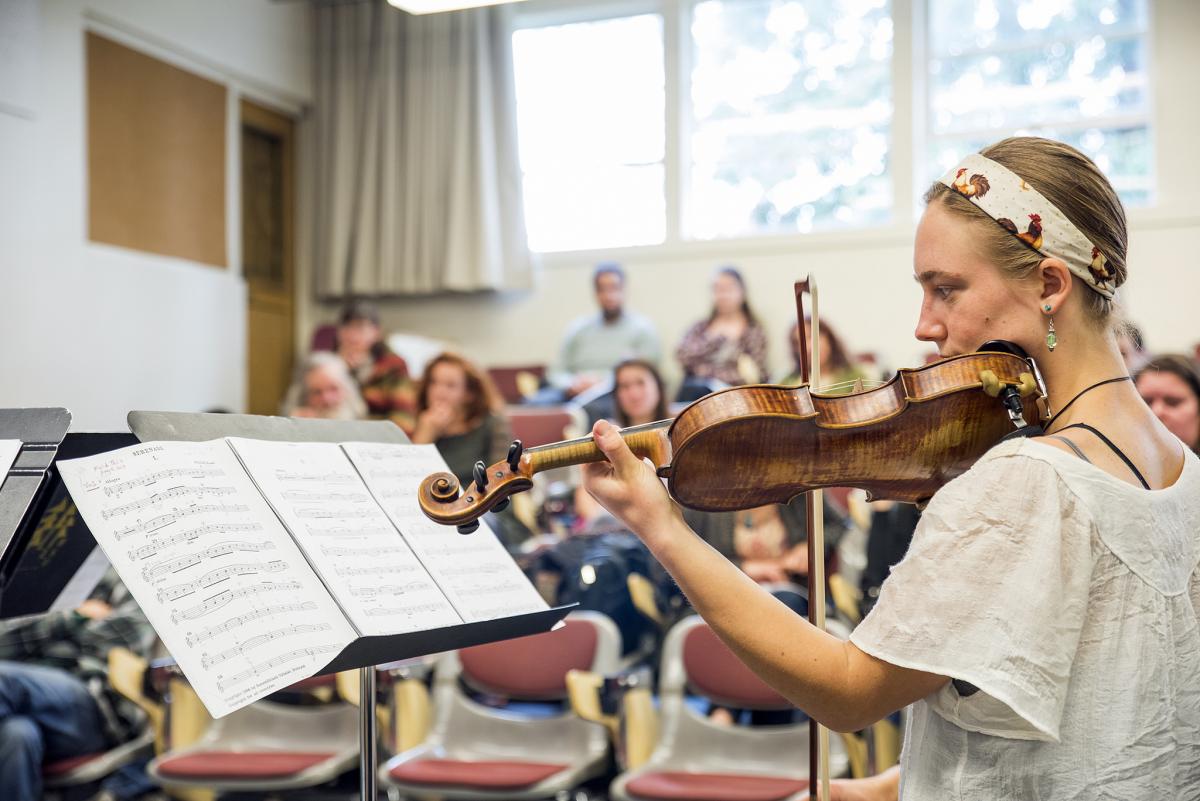
    A Harmonious Guide: Preparing for IGCSE Music Exams

    21 Mar 2024
    Blog, Exams, Exams, IGCSE, Learning, Study Tips

    Mocks Exam Prep for IGCSE Computer Science

    12 Mar 2024
    Blog, Exams, IGCSE, Study Tips

    How to Prepare for IGCSE Science Mock Exams

    28 Feb 2024
    Blog, IB, IGCSE, Study Tips, ToK, University

    Selecting Universities: US, Canada, UK, Australia, Europe

    08 Feb 2024
    Blog, IB, IGCSE, Study Tips, ToK, University

    How to choose items for ToK exhibition

    15 Jan 2024
    Blog, IB, IGCSE, Study Tips, University

    The Ultimate Guide to University Scholarships

    05 Dec 2023
    Blog, IB, IGCSE

    6 Virtual Internships to Look Out for While in High School

    23 Nov 2023
    Blog, IB, IGCSE

    The Significance of Paper Marking

    16 Nov 2023
    « Previous 1 … 3 4 5 6 7 … 9 Next »
    Blog, IB

    Modern vs. Classic IB Literature: Which is Harder to Analyse?

    07 Mar 2025
    Blog, IB

    Time and Futility in The Cherry Orchard and Waiting for Godot

    04 Mar 2025
    Blog, Exams, IB

    Do NOT Make These 7 Mistakes In Your IB English Lang Lit Paper 1 Exam

    21 Feb 2025
    Blog, General, IB, IGCSE, Learning, ToK, University

    From the CEO’s Desk: Balancing the Boardroom and the Classroom

    14 Feb 2025
    Blog, Books, Exams, General, IB, IGCSE, Learning, Study Tips

    How to Avoid Plagiarism: A Student’s Guide to Ethical Writing

    10 Jan 2025
    Blog, IB

    Embrace 2025: Reflections and Tips for a Successful New Year

    06 Jan 2025
    Blog, Books, Exams, General, IB, IGCSE, Learning, Study Tips

    Why Start English Classes Young? Is It Just About Exams?

    13 Dec 2024
    Blog, IB

    A Simple Guide to IB Physics IA: 6 Tips for Success

    05 Dec 2024
    Blog, Books, Exams, General, IB, Learning, Study Tips

    Using AI as Your Study Buddy, But Ethically

    22 Nov 2024
    « Previous 1 … 3 4 5 6 7 … 12 Next »
    Blog, IB, IGCSE, Mental Health, University

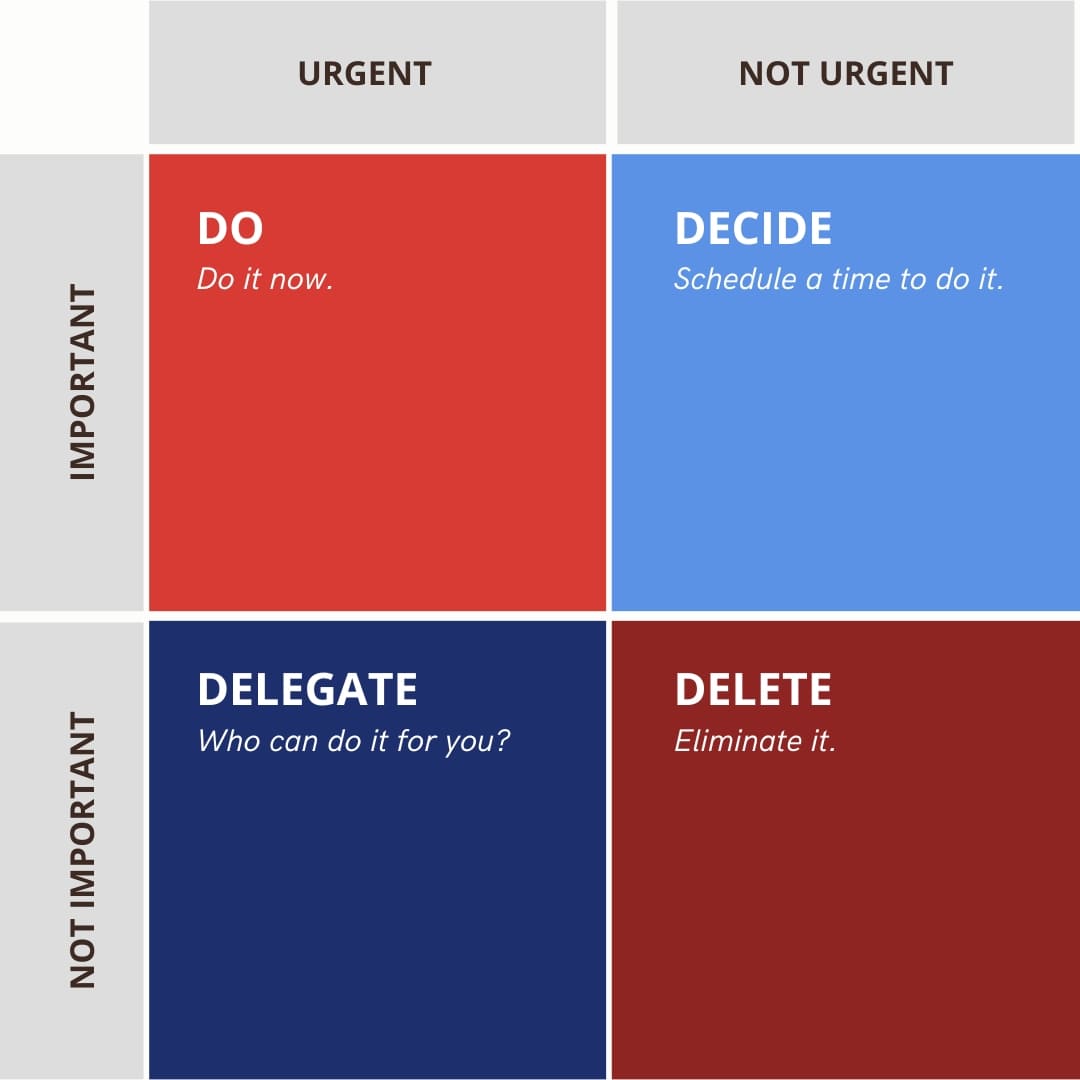
    Understanding and Applying the Eisenhower Matrix

    17 Feb 2023
    Blog, IB, IGCSE, Mental Health, University

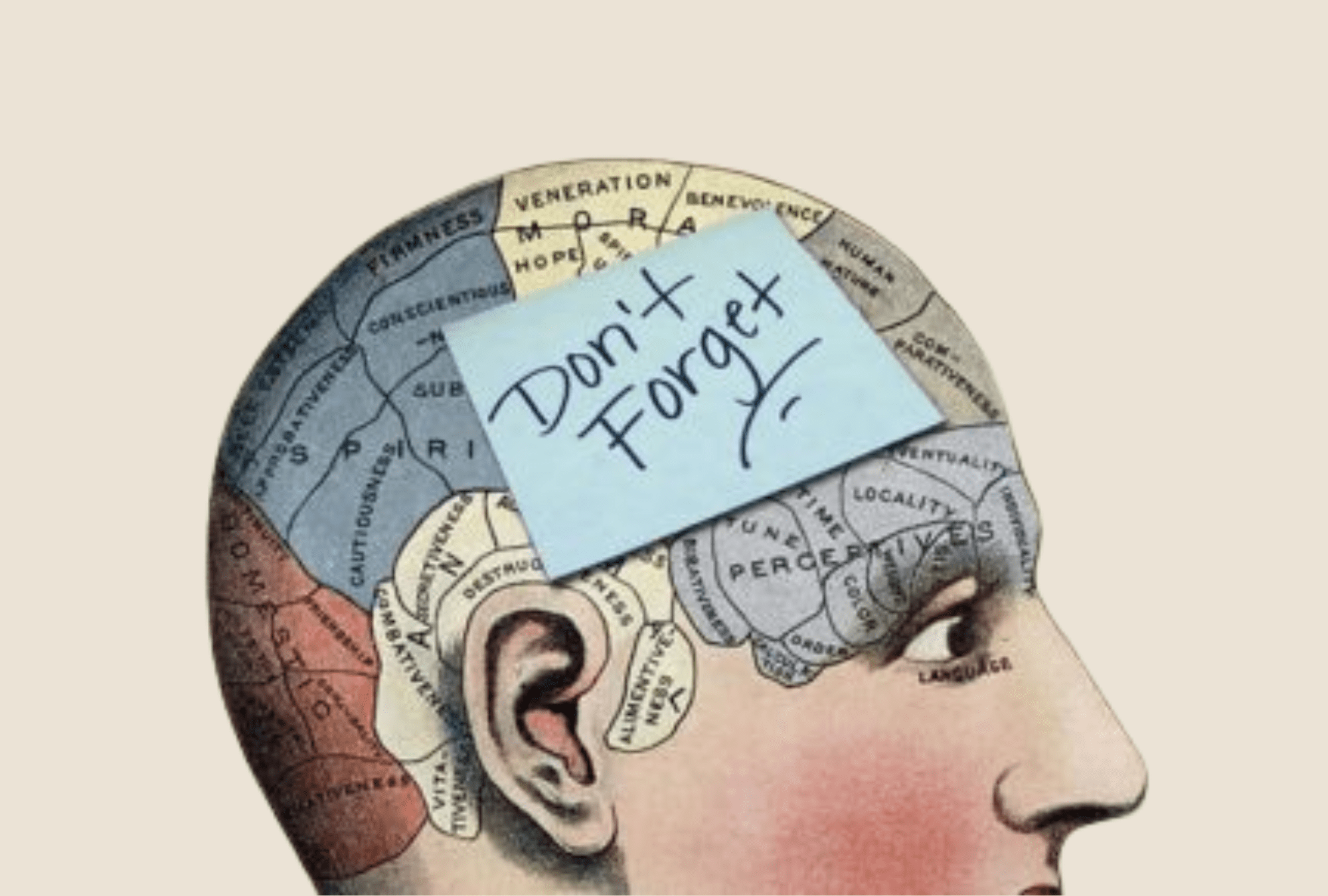
    Using Loci to Learn Effectively

    18 Nov 2022
    Blog, IB, IGCSE, Mental Health, University

    How Mind Maps Help You Study Better

    05 Nov 2022
    Blog, IB, IGCSE, University

    How To Write An Effective Conclusion

    14 Oct 2022
    Blog, IB, IGCSE, University

    Debunking Common Career Development Myths

    17 Jun 2022
    Blog, Extra Curriculars, IB, University

    What to do in a Gap Year?

    13 Jun 2022
    Blog, IB, University

    What is a Gap Year and should you take One?

    06 Jun 2022
    Blog, University

    Most Employable Careers in 2024

    29 May 2022
    Blog, IB, IGCSE, University

    Best web sources for an English Literature study session

    10 May 2022
    « Previous 1 … 3 4 5 6 7 Next »
    No posts found.
    No posts found.
    No posts found.

    Categories

    • IGCSE
    • IB
    • University
    • Extra Curriculars
    • Mental Health
    • Beyond Academics
    • Beyond Academics, Blog, Exams, IB, Study Tips

      10 Smart Ways to Balance University Applications with A-Levels/IB

      04 Oct 2025
      Beyond Academics, Blog, Extra Curriculars, IB, IGCSE

      IB English Paper 1 vs Paper 2: What Students Should Know

      28 Sep 2025
      Beyond Academics, Blog, Books, Exams, Extra Curriculars, General, IB, IGCSE, Learning, Mental Health, Study Tips, University

      Leaving the nest: How to Cope with University Life

      19 Aug 2025
      Blog, Books, Exams, General, IB, IGCSE, Learning, University

      Global Narratives – A UWC-Inspired IGCSE & IB English Curriculum

      11 Aug 2025
      Blog, Books, General, Learning, Reading Lists

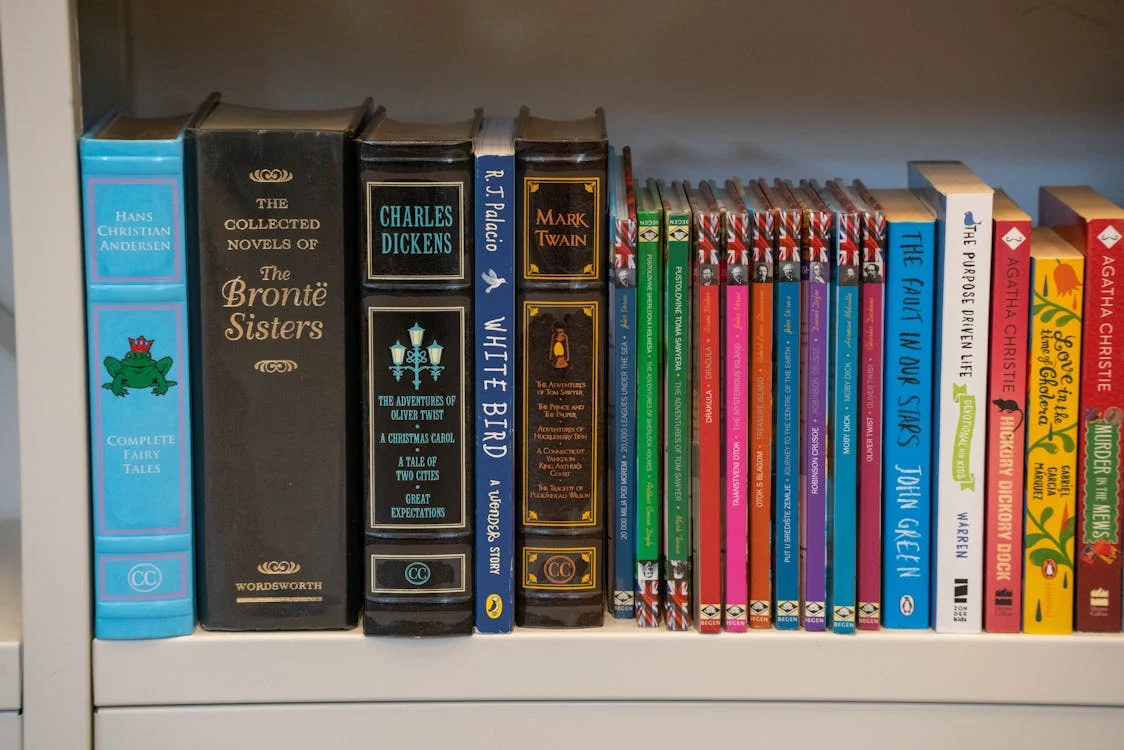
      Read, Relax, Repeat: Books Beyond the Syllabus

      01 Aug 2025
      Beyond Academics, Blog, IB, IGCSE

      Make Your Summer Count: 10 Quick Courses to Stay Ahead

      18 Jul 2025
      Blog, Exams, Exams, IB, IGCSE

      IB Results Didn’t Turn Out as You Hoped? Here’s What to Do Next

      09 Jul 2025
      Beyond Academics, Blog, Extra Curriculars, IB, IGCSE

      Smart Summer Recharge: 10 Tips for IB & IGCSE Students

      04 Jul 2025
      Beyond Academics, Blog, Extra Curriculars, General, Mental Health

      The Teen Mirror: Beauty, Social Media & Digital Literacy

      29 Jun 2025
      « Previous 1 … 3 4 5 6 7 … 20 Next »
    Beyond Academics, Blog, Exams, IB, Study Tips

    10 Smart Ways to Balance University Applications with A-Levels/IB

    04 Oct 2025
    Beyond Academics, Blog, Extra Curriculars, IB, IGCSE

    IB English Paper 1 vs Paper 2: What Students Should Know

    28 Sep 2025
    Beyond Academics, Blog, Books, Exams, Extra Curriculars, General, IB, IGCSE, Learning, Mental Health, Study Tips, University

    Leaving the nest: How to Cope with University Life

    19 Aug 2025
    Blog, Books, Exams, General, IB, IGCSE, Learning, University

    Global Narratives – A UWC-Inspired IGCSE & IB English Curriculum

    11 Aug 2025
    Blog, Books, General, Learning, Reading Lists

    Read, Relax, Repeat: Books Beyond the Syllabus

    01 Aug 2025
    Beyond Academics, Blog, IB, IGCSE

    Make Your Summer Count: 10 Quick Courses to Stay Ahead

    18 Jul 2025
    Blog, Exams, Exams, IB, IGCSE

    IB Results Didn’t Turn Out as You Hoped? Here’s What to Do Next

    09 Jul 2025
    Beyond Academics, Blog, Extra Curriculars, IB, IGCSE

    Smart Summer Recharge: 10 Tips for IB & IGCSE Students

    04 Jul 2025
    Beyond Academics, Blog, Extra Curriculars, General, Mental Health

    The Teen Mirror: Beauty, Social Media & Digital Literacy

    29 Jun 2025
    « Previous 1 … 3 4 5 6 7 … 20 Next »

    If you’re in the middle of your A-levels or the IB Diploma, life can feel like a constant juggling act. Between exams, internal assessments, extended essays, and CAS reflections (for IB), it’s easy to feel overwhelmed when university applications start looming. Whether you’re applying through UCAS, the Common App, or other international platforms, the pressure of shaping your future while keeping up with your current workload can feel intense. This blog explores how to balance university applications with A-levels or IB coursework so you can succeed in both.

    What Are University Applications?

    University applications are the process through which you formally apply to colleges or universities. They typically involve submitting academic transcripts, predicted grades, personal statements, recommendation letters, and sometimes supplemental essays or portfolios, depending on the program. Applications also include selecting courses, writing about your academic interests, and explaining why you’re a good fit for a particular institution. Essentially, they are your first opportunity to present yourself as a complete candidate—not just through grades, but through your skills, experiences, and aspirations.

    For IB students applying to university or those in A-levels, the challenge is managing coursework deadlines while also producing polished applications. The good news? With smart strategies and planning, you can thrive in both.

    10 Practical Tips to Balance Applications with Coursework

    1. Treat Applications Like Another Subject

    Set aside dedicated time each week for researching universities, drafting essays, and refining personal statements.
    Example: Reserve 1 hour every Tuesday and Thursday evening for application work, just like you would for revising Math or Chemistry.

    2. Leverage the Structure of A-levels or IB

    Use the discipline of coursework deadlines to guide application planning.
    Example: After submitting your IB Biology IA, spend 30 minutes refining your personal statement instead of leaving it all to the last minute.

    3. Prioritize Deadlines, Not Just Importance

    Mark all deadlines in one place—exams, coursework, and application portals. Work backward from each date to plan tasks.
    Example: UCAS closes mid-January, so work backward from that date to draft essays and request recommendation letters in advance.

    4. Break Essays into Micro-Tasks

    Divide essays into manageable chunks instead of writing everything in one sitting.
    Example: Monday: brainstorm experiences; Tuesday: draft paragraphs; Wednesday: refine; Thursday: edit for word count.

    5. Connect Applications to Your Coursework

    Highlight how your academic work supports your interests and goals.
    Example: If your A-level Physics project explored renewable energy, mention it to demonstrate your interest in sustainable technologies.

    6. Use “Application Sprints” Strategically

    Dedicate focused time blocks for applications while minimizing other distractions.
    Example: After finishing mocks in November, spend a weekend drafting essays and filling in forms while doing light coursework review.

    7. Protect Your Energy

    Avoid burnout by balancing work and rest. Short breaks improve focus and productivity.
    Example: After a full day of IB Chemistry lab work, take a 10-minute walk, then work on applications for 30 minutes using Pomodoro sessions.

    8. Get Feedback Early

    Don’t wait until the last minute to show drafts to teachers, mentors, or peers.
    Example: Share your personal statement draft with your English teacher or a Young Scholarz mentor two months before submission to get constructive feedback.

    9. Leverage Your Extracurriculars Efficiently

    Rather than starting new activities, highlight and reflect on your existing experiences.
    Example: If you volunteered at a local science club, explain what skills you developed and how it connects to your chosen course, rather than starting a new activity last-minute.

    10. Shift Your Perspective: Coursework Supports Applications

    Your A-levels or IB skills—research, essay writing, analysis—directly strengthen your applications. Recognize and use this synergy.
    Example: Writing an IB English HL essay improves your ability to structure arguments in your personal statement. Mentors from Young Scholarz can help identify these connections and guide you in showcasing them effectively.

    Final Thoughts

    Balancing university applications with A-levels or the IB Diploma requires discipline, strategy, and the ability to see overlap between coursework and applications. By planning ahead, breaking tasks into steps, and linking your studies to your essays, you’ll reduce stress and strengthen both your grades and your applications.

    If you’d like personalized guidance, book a free consultation with a Young Scholarz mentor today—and take the first step towards managing your workload and building a strong university application with confidence.


    If you’re preparing for IB English, chances are you’ve already realised that Paper 1 and Paper 2 are very different beasts. Both test your analytical and writing skills, but the focus, structure, and strategies you need to succeed are not the same. Understanding these differences is the first step to mastering them—and scoring that coveted 7.

    Paper 1: The Art of Unseen Analysis

    IB English paper 1

    Paper 1 is all about close reading and unseen textual analysis. You’re given two non-literary passages (from different text types such as media articles, speeches, blogs, or advertisements), each accompanied by a guiding question. Your task is to write an analysis of both passages. The challenge here is that you don’t get to prepare for the text—it’s new to you on exam day.

    Marks distribution:

      • 2 non-literary texts → 20 marks each
      • Total: 40 marks

    Common Paper 1 examples from past IB exams:

    • A blog post discussing climate change and youth activism.
    • An advertisement for a luxury watch brand.
    • A political speech addressing issues of immigration.
    • A magazine article on social media and mental health.

    Sample guiding questions you might see:

    • “Examine how language and style are used to persuade the reader of the importance of environmental action.”
    • “How does the advertisement construct its target audience, and with what effect?”

    What you should know about Paper 1:

    • Text types matter: Expect unfamiliar passages from a range of non-literary genres.
    • Thesis is key: Craft a strong guiding idea showing your understanding of the text’s purpose and effect.
    • Techniques, not summary: Look at diction, imagery, tone, layout, and structure—and link them to meaning.
    • Organisation counts: The introduction, analytical body paragraphs, and conclusion are essential.
    • Time management: Plan carefully so you can devote enough time to each analysis.

    At Young Scholarz, we expose students to dozens of real past-paper texts—from viral online blogs to political speeches—helping them build confidence in tackling the unexpected. Our feedback ensures you don’t just identify techniques, but explain why they matter.

    Think of Paper 1 as detective work—you’re picking apart a text, looking for clues, then presenting your case in essay form.

    Paper 2: The Comparative Literature Essay

    Paper 2 shifts the focus from unseen analysis to comparative argument. Here, you’ll respond to a question by comparing and contrasting two works you’ve studied in class. Unlike Paper 1, this one lets you draw on texts you’re familiar with, but the challenge is weaving them into a strong, comparative argument.

    Marks distribution:

      • 1 comparative essay → 30 marks
      • Total: 30 marks

    In addition, Higher Level (HL) students also submit the HL Essay during the course:

      • An essay of 1,200–1,500 words
      • Based on one non-literary text (or a collection by the same author) or a literary text studied in class
      • Worth 20 marks
      • Combined total: 50 marks

    Common Paper 2 examples from past IB exams:

    • “In what ways do works you have studied show that conflict is central to the human experience?”
    • “Discuss how writers use setting to reflect or challenge social norms.”
    • “To what extent do the works you studied present hope as a necessary response to despair?”

    Example texts students often compare in Paper 2:

    • Purple Hibiscus by Chimamanda Ngozi Adichie and A Doll’s House by Henrik Ibsen (themes of patriarchy and oppression).
    • The Great Gatsby by F. Scott Fitzgerald and selected poems by Sylvia Plath (themes of illusion vs. reality).
    • Antigone by Sophocles and Waiting for Godot by Samuel Beckett (themes of fate, choice, and existentialism).

    What you should know about Paper 2:

    • Choose wisely: Select the two works that best fit the question.
    • Comparative focus: Don’t write two mini-essays—keep weaving connections.
    • Context matters: Link the works to cultural, historical, or authorial context.
    • Evidence is essential: Bring in specific quotations and detailed examples.
    • Answer the question: Stick closely to the chosen prompt.

    At Young Scholarz, we train students to link themes and techniques across texts, practice with past Paper 2 questions, and develop essay plans that balance both works equally. Our curated quote banks and essay drills give you the edge to score high.

    Think of Paper 2 as building a bridge between texts—you’re showing how two works “speak” to each other across themes, techniques, and contexts.

    Key Differences at a Glance:

    Paper 1: Unseen Textual Analysis Paper 2: Comparative Literary Essay
    • 2 non-literary passages, each with a guiding question
    • 20 marks each → 40 marks total
    • Past examples: blogs, ads, magazine articles, political speeches
    • 1 essay response, chosen from 4 general questions
    • 30 marks total
    • HL Essay (20 marks, 1,200–1,500 words)
    • Past examples: questions on conflict, setting, hope; comparisons of Purple Hibiscus, A Doll’s House, The Great Gatsby, Antigone

    Final Tip:

    Success in IB English isn’t just about memorising techniques or quotes—it’s about flexibility. Paper 1 rewards sharp, on-the-spot analysis, while Paper 2 (and the HL Essay) reward long-term preparation and deeper engagement with texts. With the right practice and strategies, you can ace both.

    At Young Scholarz:

    We help students sharpen their analytical skills for Paper 1 and refine their comparative writing for Paper 2. With guided practice on real past papers, personalised feedback, and exam strategies that work, we make sure you walk into the exam confident and prepared.

    👉 Ready to take your IB English prep to the next level? Book a session with Young Scholarz today!

    Leaving the nest: How to Cope with University Life

    Starting university is one of the most exciting milestones in a student’s life. It’s your first step towards self-awareness, personal growth, and new opportunities. But it can also feel overwhelming- leaving home, making new friends, and adjusting to an unfamiliar environment. At Young Scholarz, we understand these challenges and aim to prepare students not only academically but also emotionally and socially, so they can step into university life with confidence.

    If you’re about to begin this journey, here are some practical ways to cope with university life and make the most of it.

    10 Practical Tips to Adjust to University Life:

    1. Embrace the Change

    • Moving away from home can feel daunting, but it’s also a chance to grow.
    • See it as an opportunity to explore new perspectives, discover your strengths, and build independence.
    • Remind yourself that feeling nervous is normal, and it gets easier with time.

    2. Build a Routine

    • University life is flexible, but without structure, it’s easy to feel lost.
    • Create a daily routine that balances lectures, study time, meals, exercise, and rest.
    • A simple timetable helps you stay productive and reduces unnecessary stress.

    3. Stay Connected with Family and Friends

    • Homesickness is natural when you first leave the nest.
    • Schedule regular calls or video chats with family and friends.
    • Maintaining those bonds gives you emotional support while you adjust to your new environment.

    4. Make New Friends

    • Join clubs, societies, or student activities to meet like-minded people.
    • Don’t be afraid to start conversations- most students are looking to connect as well.
    • Building a supportive circle will make university feel like a second home.

    5. Manage Your Finances Wisely

    • For many, university is the first time handling money independently.
    • Create a monthly budget for food, transport, study supplies, and social activities.
    • Avoid unnecessary debt by keeping track of your expenses and saving where you can.

    6. Take Care of Your Health

    • University can be hectic, but your health must come first.
    • Eat balanced meals, stay hydrated, and try to get enough sleep.
    • Make time for exercise- even a short walk can boost your mood and energy.

    7. Seek Academic Support

    • Adjusting to a new education system can be challenging.
    • Don’t hesitate to ask professors for clarification or attend study support sessions.
    • Use resources like the library, writing centres, or online tutoring to strengthen your skills.

    8. Balance Study and Social Life

    • University isn’t just about academics—it’s also about personal growth.
    • Attend social events, explore your city, and engage in hobbies.
    • Striking the right balance keeps you motivated and prevents burnout.

    9. Don’t Be Afraid to Ask for Help

    • If you’re struggling emotionally, academically, or financially, reach out.
    • Most universities have counsellors, advisors, and peer mentors to support students.
    • Remember, seeking help is a sign of strength, not weakness.

    10. Celebrate Small Wins

    • Whether it’s finishing an assignment on time, cooking your first meal, or making a new friend, acknowledge your progress.
    • Small victories build confidence and help you see how far you’ve come.

    How Young Scholarz Can Help You Prepare for University Life

    At Young Scholarz, we understand that the transition from school to university can feel overwhelming. That’s why we go beyond academics to prepare students for life outside the classroom. What sets us apart is our unique focus on both academic strategies and emotional well-being, because true success comes from balance. Here’s how we support you:

    • Personalised Mentorship: Our mentors guide you through academic challenges while also helping you build resilience, confidence, and independence.
    • University Readiness Guidance: From effective study techniques to coping strategies for stress and homesickness, we ensure you’re equipped for every aspect of university life.
    • Safe Space for Growth: At Young Scholarz, we create a nurturing community where students feel heard, supported, and encouraged as they take their first steps away from home.

    By preparing with Young Scholarz, you’re not just getting ready for exams. Instead, you’re preparing to explore new challenges and opportunities of university life and embrace this exciting chapter with confidence.

    Final Thoughts: 

    Leaving the nest and starting university is a big transition, but it’s also a rewarding journey. With the right mindset, support system, and resources like Young Scholarz, you’ll not only cope, rather you’ll thrive. Stay open to learning and remember that this new chapter is filled with endless opportunities for your personal and professional growth. 

    Ready to step into university life with confidence? Book a free discovery call with Young Scholarz today and let’s make sure you’re prepared for success inside and outside the classroom.

    Young Scholarz

    At Young Scholarz, we go beyond exam prep.

    While we help students excel in IB, IGCSE, and Global Narratives, our focus is also on building real-world skills — from emotional resilience and self-awareness to research, presentation, and digital organization.

    Our holistic approach blends academic strategy with life-ready mentoring, empowering teens to succeed in school and far beyond it.

    Let’s build your future, one smart skill at a time.

    Global Narratives – English Programme for IGCSE, IB & Beyond

    In a world shaped by stories and media, the ability to think critically, write with purpose, and understand diverse perspectives is more vital than ever. That’s where Young Scholarz’s Global Narratives Programme comes in. It is a comprehensive, curriculum-aligned enrichment course that empowers students to become insightful readers, thoughtful writers, and confident communicators.

    Carefully designed in alignment with UWC East, UWC Dover, and IGCSE curricula, this programme builds the analytical and creative foundations needed for high school and pre-IB success.

    Keep reading to explore a dynamic, interdisciplinary programme that empowers students to write with voice, read with purpose, and think with global awareness.

    What is Global Narratives?

    The course spans both literary and media narratives, helping students explore how language shapes identity, culture and power across genres. This multi-module course introduces students to the art of storytelling, authorial purpose, and identity across cultures and media. Across prose, poetry, media, and visual narratives, students build the foundational skills required for:

    • Literary analysis
    • Essay writing
    • Creative expression
    • Critical thinking
    • IB readiness

    The programme is divided into two levels, Grade 9 and Grade 10, each with modules tailored to the academic and developmental needs of students.

    Programme Structure

    Global Narratives – Grade 9 Overview

    The Grade 9 Global Narratives programme takes students on a journey through stories, ideas, and voices from around the world. It’s about learning to read deeply, think critically, and write with clarity, all while exploring the power of language.

    1. Voices and Perspectives

    Step into the shoes of storytellers across cultures. See how authors shape meaning, reflect traditions, and express identity. Discover the values and shared human experiences that connect us all.

    Classes Include:

    • Narrative & Identity: Voices Across Cultures
    • Narrative Writing
    • Descriptive Writing

    Skills You’ll Build:

    • Textual analysis
    • Contextual awareness & critical thinking
    • Using tone, imagery, and structure effectively

    2. Literary Analysis

    Learn how to unpack meaning from prose and poetry. See how language, structure, and style work together to create impact, build characters, and draw readers in.


    Classes Include:

    • Analysing Prose
    • Writing Analytical Essays on Prose
    • Understanding & Analysing Poetry
    • Writing Analytical Essays on Poetry

    Skills You’ll Build:

    • Close reading
    • Using the PEEL structure
    • Thematic interpretation

    3. Power and Representation in Media

    Look beyond the surface. Understand how media shapes identity, power, and bias – and learn how to spot hidden messages.

    Classes Include:

    • Persuasive Writing Techniques
    • Power & Representation in Advertisements
    • Visual Narratives (e.g., Maus, Persepolis)
    • Comparative and Critical Essay Writing

    Skills You’ll Build:

    • Media literacy & rhetorical analysis
    • Argumentative and discursive essay writing
    • Visual analysis of graphic texts and ads

    Global Narratives – Grade 10 Overview

    Grade 10 takes everything you learned in Grade 9 and pushes it further. You’ll explore deeper themes, sharpen your analytical writing, and prepare for IB-style assessments.

    1. Global Issues through Literature

    See how storytelling tackles big topics like conflict, migration, and resilience. Understand how writers use their craft to reflect and challenge the world we live in.

    Classes Include:

    • Narratives of Conflict and Displacement
    • Narratives of Dystopian Worlds
    • Coming of Age through Graphic Texts

    Skills You’ll Build:

    • Thematic literary analysis
    • Argumentative writing with critical insight
    • Analysing narrative choices and world-building

    2. The Literary Essay

    Write powerful, thesis-driven essays that compare and analyse texts across genres and media.

    Classes Include:

    • Critical Essay Writing on Conflict and Displacement
    • Comparative & Critical Essay Writing

    Skills You’ll Build:

    • Strong thesis statements and comparative analysis
    • Clear evaluation of authorial choices
    • Exam-ready writing strategies

    3. Power and Representation in Media

    Go deeper into how media shapes power and identity. Explore satire, bias, and how language can challenge authority and inspire change.

    Classes Include:

    • Decoding Power: Identity and Representation in Media
    • Irony & Influence: Decoding Satire in Texts and Media

    Skills You’ll Build:

    • Multimodal text comparison
    • Visual rhetoric and bias analysis
    • Analysing satire in unseen texts

    4. Comparative Writing: Interpreting Meaning Across Media Forms

    Learn how to compare literature, media, and visual texts with precision and insight.

    Classes Include:

    • Critical Essay Writing
    • Comparative Intermedia Critical Essay Writing

    Skills You’ll Build:

    • Analysing style, imagery, and structure
    • Organising comparative essays effectively
    • Connecting texts to global contexts

    5. Perspectives in Practice

    Use research and literary insight to argue for real-world change. Perfect your communication for academic and public audiences.

    Classes Include:

    • Language for Impact: The Art of Rhetoric and Crafting Arguments

    Skills You’ll Build:

    • Research-based argumentation
    • Audience-focused communication
    • Strategic persuasive writing

    6. The Versatility of Poetic Form

    Travel through poetic voices and styles from around the globe. Discover how poets use language to express emotion, culture, and perspective.

    Classes Include:

    • Exploring Poetic Form and Technique

    Skills You’ll Build:

    • Analysing figurative language, imagery, and symbolism
    • Understanding sound devices and structure
    • Interpreting cultural contexts in poetry

    7. Studying Shakespeare

    See Shakespeare’s work in a new light. Explore how his plays connect to culture and remain relevant today.

    Classes Include:

    • The Living Legacy of Shakespeare

    Skills You’ll Build:

    • Analysing Shakespeare’s themes, language, and techniques
    • Comparing original plays with modern adaptations
    • Linking Shakespeare’s work to global issues

    Who Is This Programme Ideal For?

    • Students in Grade 9–10 students looking to build a strong foundation in English
    • Learners preparing for IGCSE and IB Language & Literature
    • Students eager to explore global storytelling traditions and cultural perspectives
    • Those interested in understanding authorial purpose and identity across genres
    • Creative and analytical thinkers who want to strengthen both writing and interpretation skills
    • Aspiring writers and critical thinkers

    Final Thoughts: 

    Whether you’re preparing for IB readiness or looking to unlock your creative voice, the Global Narratives programme at Young Scholarz offers the ideal blend of literary exploration, academic excellence, and creative freedom. Develop into a confident writer, insightful reader, and global-minded thinker and be ready to thrive in today’s dynamic world.

     Book Your Free Discovery Call Now →

    Young Scholarz

    At Young Scholarz, we go beyond exam prep.

    While we help students excel in IB, IGCSE, and Global Narratives, our focus is also on building real-world skills — from emotional resilience and self-awareness to research, presentation, and digital organization.

    Our holistic approach blends academic strategy with life-ready mentoring, empowering teens to succeed in school and far beyond it.

    Let’s build your future, one smart skill at a time.

    Global Narratives – English Programme for IGCSE, IB & Beyond

    At Young Scholarz, we believe that critical thinking and curiosity shouldn’t end at the last page of your textbook. That’s why we encourage our students to go beyond the syllabus, to explore books that challenge, inspire, and stretch their minds in new directions. Whether fiction or nonfiction, contemporary or classic, the right book can spark curiosity, foster critical thinking, and inspire lifelong learning. If you’re looking to explore ethics through dystopian fiction, understand identity through memoir, or challenge your worldview with science and history, reading beyond the syllabus keeps your mind sharp, your thoughts deep, and your conversations meaningful.

    Keep reading to explore a curated list of books that help young learners read, relax, and reflect– all while building the skills that matter most. 

    Fiction Books That Fuel Imagination and Inquiry:

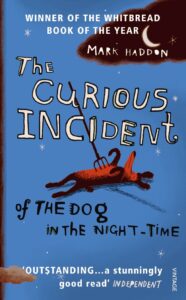
    1. The Curious Incident of the Dog in the Night-Time by Mark Haddon

    The Curious Incident of the Dog in the Night-Time by Mark Haddon

    • Why should you read it?
    • Offers insight into neurodivergent thinking and logic-based problem solving.
    • Develops empathy and awareness of cognitive diversity.
    • Strengthens skills in inference and close reading. 

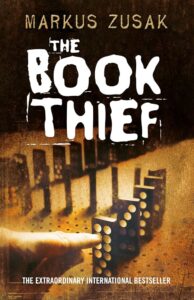
    2. The Book Thief by Markus Zusak

    • Why should you read it?
    • Presents WWII history through a unique and personal lens.
    • Highlights the power of storytelling and words during a crisis.
    • Introduces complex moral dilemmas and character development.

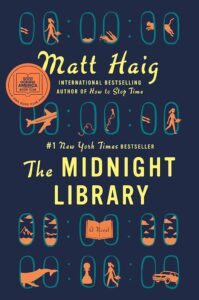
    3. The Midnight Library by Matt Haig

    • Why should you read it?
    • Encourages self-reflection on regret and personal decisions.
    • Promotes mental health awareness and emotional resilience.
    • Introduces philosophical ideas through an engaging story.

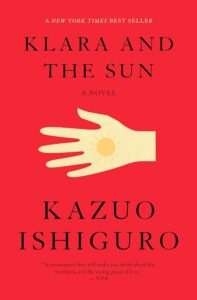
    4. Klara and the Sun by Kazuo Ishiguro

    • Why should you read it?
    • Invites students to explore questions about artificial intelligence and empathy.
    • Encourages speculation about the future of technology and emotional connection.
    • Raises philosophical questions: Can machines understand love? Do intentions matter more than outcomes?

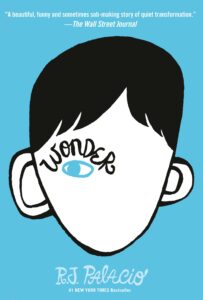
    5. Wonder by R.J. Palacio

    • Why should you read it?
    • Promotes kindness, empathy, and inclusivity.
    • Explores themes of identity and bullying in school settings.
    • Encourages meaningful class discussions on compassion and belonging.

    Non-Fiction Books to Stimulate Young Minds:

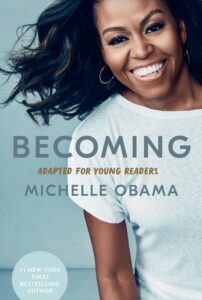
    1. Becoming: Adapted for Young Readers by Michelle Obama

    • Why should you read it?
    • Inspires ambition, perseverance, and integrity.
    • Offers insights into race, gender, and identity.
    • Shows the power of education and self-belief.

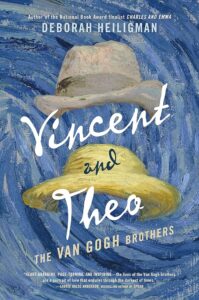
    2. Vincent and Theo: The Van Gogh Brothers by Deborah Heiligman

    • Why should you read it?
    • A beautifully written dual biography exploring art, mental health, and brotherhood.
    • Encourages students to think about the role of creativity and support systems.
    • Connects history, art, and psychology.

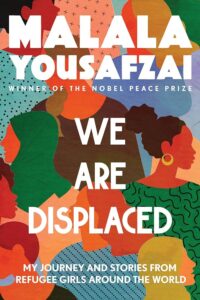
    3. We Are Displaced by Malala Yousafzai

    • Why should you read it?
    • Shares personal stories of displaced girls and refugees around the world.
    • Builds empathy, global understanding, and awareness of current events.
    • Inspires students to reflect on privilege and resilience.

    4. Feeding Ghosts: A Graphic Memoir by Tessa Hulls

    • Why should you read it?
    • A powerful graphic memoir exploring identity, migration, and intergenerational trauma.
    • Blends art, history, and personal narrative to tell a deeply emotional family story.
    • Ideal for readers interested in visual storytelling, cultural memory, and feminist history.

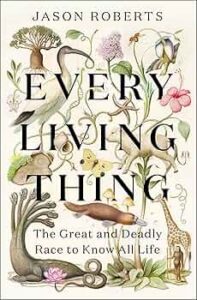
    5. Every Living Thing: The Great and Deadly Race to Know All Life by Jason Roberts

    • Why should you read it?
    • A gripping true story about the global race to catalogue all life on Earth.
    • Blends science, history, and adventure, making it perfect for curious minds.
    • Encourages critical thinking about discovery, ambition, and the cost of knowledge.

    Final Thoughts: 

    So, why let your reading journey stop at textbooks when a single novel or memoir can spark ideas that last a lifetime? These carefully chosen books are more than just stories or facts- they’re fuel for curiosity, windows into new perspectives, and a workout for your critical thinking muscles. At Young Scholarz, we believe the most powerful learning happens when you read not just to prepare, but to wonder and interpret creatively.

     Book Your Free Discovery Call Now →

    Young Scholarz

    At Young Scholarz, we go beyond exam prep.

    While we help students excel in IB and IGCSE, our focus is also on building real-world skills — from emotional resilience and self-awareness to research, presentation, and digital organization.

    Our holistic approach blends academic strategy with life-ready mentoring, empowering teens to succeed in school and far beyond it.

    Let’s build your future, one smart skill at a time.

    At Young Scholarz, we believe the summer holidays are more than just a break—they’re a golden opportunity to grow, explore, and get ahead. Summer isn’t just a pause, but a window to acquire new skills, explore fresh interests, and invest in your personal growth. Micro-courses can help you acquire new skills without spending a hefty amount of time or money on a long-term full-length course. In just a few focused hours, you can strengthen the kind of skills that can make your next term less stressful and your essays way more impressive. All it takes is a curious mindset and a Wi-Fi connection. With that, IB and IGCSE students can dive into short, engaging micro-courses that not only sharpen study skills but also unlock real-world knowledge. 

    Keep reading to find out how you can learn fun, fast, and surprisingly useful micro-courses to keep your brain sharp (and your confidence sharper) with no pressure and no heavy textbooks. 

    What is a Micro-Course and Why You Should Try One?

    Micro course

    Micro-courses are short, self-paced online lessons that teach a specific skill or topic. Many are free, and some offer certificates after a token amount; however, all are great for building your confidence and expanding your knowledge beyond the textbook.

    You should try these short courses if you are looking for:

    • Light learning without pressure
    • Filling gaps after exams or mocks
    • Exploring new interests before school resumes
    • Building skills that help in subjects like TOK, CAS, or ATL development

    10 Fun and Useful Micro-Courses for IB and IGCSE Students:

    1. Learning How to Learn: Powerful mental tools to help you master tough subjects

    • Platform- Coursera
    • Duration- Approx 15 hours (flexible schedule)
    • 4 modules
    • Who is it for: Whether you’re finding certain subjects tough, aiming to boost your already-strong skills, or simply curious about how learning works, this course meets you where you are. It’s designed to help you build confidence, study smarter, and unlock your full potential, no matter your starting point.

    What you’ll learn:

    • How your brain uses two learning modes to absorb information
    • How to break down complex topics into manageable chunks
    • Memory techniques that really work
    • How to overcome procrastination
    • Common illusions of learning to avoid
    • Research-backed tips for effective studying and test-taking

    2. Critical Thinking at University: An Introduction 

    • Platform: FutureLearn (offered by the University of Leeds)
    • Duration: 2 weeks (4 hours per week)
    • Who is it for: Whether you’re an IB or IGCSE student preparing for university or just looking to strengthen your thinking skills, this course will help you build confidence, think critically, and get a head start on academic success- both in school and in your future studies.

    What you’ll learn:

    • Reflect on how you approach problems and ideas
    • Understand what critical thinking means in a university context
    • Recognise common challenges to thinking critically
    • Use practical strategies to strengthen your critical thinking skills

    3. Mindshift: Break Through Obstacles to Learning and Discover Your Hidden Potential

    • Platform: Coursera (offered by McMaster University)
    • Duration: 10 hours approx. 
    • Who is it for: Anyone ready to break free from learning or career routes and explore their hidden potential. It is  ideal for students and lifelong learners adapting to a fast-changing world and for those planning to shift disciplines or career paths, or who want to learn more effectively

    What you’ll learn:

    • Discover your existing strengths and how to align them with new opportunities.
    • Beat procrastination, improve focus, and reframe stress positively.
    • Build a versatile “talent stack,” navigate career changes, and find mentors.
    • Choose the best online resources and adopt lifelong learning strategies. 

    4. Introduction to Data Analysis Using Excel

    • Platform: Coursera (offered by Rice University)
    • Duration: 24 hours to complete (3 weeks at 8 hours a week)
    • Who is it for: This course is ideal for anyone looking to build practical Excel skills for organizing, analyzing, and visualizing data. Whether you’re a student, professional, or simply want to improve your data literacy, it’s beginner-friendly and highly useful for real-world applications.

    What you’ll learn: 

    • Use Excel tools to clean and prepare data for analysis.
    • Apply Named Ranges and Tables to automate and streamline data workflows.
    • Recognize different data types and use appropriate functions to work with them.
    • Leverage logical functions (e.g., IF) and lookup formulas to organize and transform data.
    • Create and use pivot tables and charts to summarize insights. 

    5. Branding for Differential Advantage with Jagdish Sheth

    • Platform: Coursera
    • Duration: 8 hours (3 weeks at 2 hours a week)
    • Who is it for: This course is designed for anyone who wants to build a strong personal brand and establish a professional online presence. It’s ideal for students preparing for university applications, job seekers, entrepreneurs, or anyone looking to showcase their skills authentically while maintaining digital privacy and reputation.

    What you’ll learn: 

    • Define your personal brand: values, strengths, mission
    • Establish your digital presence across 3+ platforms
    • Build brand infrastructure: authenticity, mission statement, “brand board
    • Create a maintenance plan for your online brand 
    • Manage privacy and reputation, including digital safety practices

    6. Successful Negotiation: Essential Strategies and Skills

    • Platform: Coursera (offered by University of Michigan)
    • Duration: Approx. 17 hours 
    • Who is this course for: This course is ideal for anyone wanting to improve negotiation and communication skills, whether you’re a student, young professional, or someone looking to handle discussions and agreements more effectively.

    What you’ll learn: 

    • Master essential negotiation strategies and skills for successful outcomes
    • Apply negotiation analysis techniques to prepare effectively
    • Leverage psychological insights to gain an advantage in discussions
    • Practice real-world negotiation scenarios to identify strengths and areas for improvement

    7. AI For Everyone 

    Ethical Chat GPT hacks for Students- Young Scholarz

    • Platform: Coursera 
    • Duration: Approx. 6 hours
    • Who is this course for: This course is perfect for non-technical learners- students, parents, professionals, or anyone curious about AI and its real-world impact. No coding background required. Ideal for those who want to understand AI’s potential and limits, shape digital-savvy careers, or make informed decisions in a tech-driven world.

    What you’ll learn:

    • Clear definitions: Understand AI, machine learning, neural networks, and deep learning basics
    • Business applications: Learn how to spot AI opportunities in projects and organizations
    • Project insights: Follow the workflow of AI and data science projects from start to finish 
    • Strategy & implementation: Discover how to build an AI-ready team and roadmap
    • Ethical considerations: Explore AI’s societal impact, including its limitations, biases, and ethical challenges

    8. Work Smarter, Not Harder: Time Management for Personal & Professional Productivity

    • Platform: Coursera 
    • Duration: 10 hours (3 weeks at 3 hours per week)
    • Who is this course for: This course is perfect for anyone,  students, professionals, or lifelong learners, who wants to master time management and boost productivity in daily life. You’ll learn evidence-based techniques for planning, prioritizing, and managing resources effectively, all while maintaining balance and focus amid busy schedules. 

    What you’ll learn:

    • Create effective plans to reach your personal and professional goals
    • Identify and overcome common time management challenges
    • Maintain perspective to avoid and handle stressful situations
    • Use resources efficiently for maximum productivity

    9. Introduction to Financial Accounting

    • Platform: Coursera
    • Duration: 13 hours (3 weeks at 4 hours per week)
    • Who is this course for: This course is ideal for anyone, students, early-career professionals, or life-long learners, who wants to confidently read, understand, and interpret company financial statements. It’s especially valuable if you’re preparing for business roles, university finance courses, or simply want a practical grasp of how businesses track and use money.

    What you’ll learn: 

    • Read and analyze the three core financial statements: Income Statement, Balance Sheet, and Statement of Cash Flows 
    • Master debit–credit bookkeeping and the balance sheet equation 
    • Understand accrual accounting, adjusting entries, and closing procedures
    • Prepare and analyze cash flow statements (operating, investing, financing) 
    • Apply ratio and trend analysis to interpret financial results and assess performance 

    10. What is Data Science?

    • Platform: Coursera (offered by IBM)
    • Duration: 11 hours approx. 
    • Who is this course for: This beginner-friendly course is perfect for anyone curious about data, from high school students and career changers to professionals exploring tech fields. No prior experience is needed. Whether you’re considering a career in data or simply want to understand how data-driven decisions shape our world, this course provides a solid entry point.

    What you’ll learn:

    • Define what data science is and explain its significance in today’s data-driven world.
    • Outline the different career paths that can lead to becoming a data scientist.
    • Share key tips and insights from experienced data science professionals for beginners entering the field.
    • Explain why data science is regarded as one of the most in-demand careers of the 21st century.

    Final Thoughts: 

    So, why let summer slip by when a few hours can open doors to skills that last a lifetime? Micro-courses are your chance to stay curious, productive, and ahead of the game. Whether you want to boost your academics, explore new passions, or build future-ready skills, these bite-sized learning experiences make it possible.

    Want help building a standout summer plan?
    Book a free discovery call with our academic advisors and let’s map out your next steps, tailored to your goals, interests, and upcoming school year. Book Your Free Discovery Call Now →

    Young Scholarz

    At Young Scholarz, we go beyond exam prep.

    While we help students excel in IB and IGCSE, our focus is also on building real-world skills — from emotional resilience and self-awareness to research, presentation, and digital organization.

    Our holistic approach blends academic strategy with life-ready mentoring, empowering teens to succeed in school and far beyond it.

    Let’s build your future, one smart skill at a time.

    The IB results are out — and with them come a whirlwind of emotions. After months (and years) of coursework, revision, and intense preparation, some students are celebrating well-earned 7s and university offers. Others, however, may be feeling disappointed, overwhelmed, or unsure of what to do next.

    At Young Scholarz, we’ve worked with students from their early IGCSE days to the final stretch of the IBDP. We’ve seen success stories soar, and we’ve supported students through the tough moments too. If your results didn’t turn out as expected, we’re here to remind you: this is not the end. It’s simply a redirection.

    When Your IB Grades Fall Short

    One of the hardest parts of receiving a low grade — especially in the IB — is the element of surprise. Maybe you felt confident in your answers. Maybe you already had your eyes set on a university or career plan. When reality doesn’t match expectation, the disappointment can feel personal and even paralyzing. But here’s the truth:
    Failure is not final.
    It’s not a reflection of your intelligence or your worth. It’s a moment — a hard one, yes — but one that can teach you, redirect you, and strengthen you.

    Here’s an article we recommend if you need help processing academic disappointment:
    🔗 Coping with Failure – University of Melbourne

    So What Can You Do Now?

    Here are four practical options to consider if your IB grades weren’t what you’d hoped:

    1. Retake Your IB Exams

    If you’ve failed a subject or narrowly missed a required score, you can opt to retake exams in a future session.

    Key Dates for May 2025 candidates:

    • Reduced-fee registration: 6 July – 29 July 2025

    • Final registration deadline: 15 October 2025

    • November 2025 exams begin: 21 October 2025 (with most exams starting from 27 October)

    You’ll need to contact your IB coordinator to initiate the retake process. Not all schools accept external candidates, so act quickly. Also, consider whether waiting for the next session aligns with your university or career plans — you may need to delay your start by a few months.

    2. Request a Remark (Enquiry Upon Results)

    If you’re confident you performed better than the score reflects — or feel there may have been a marking error — a remark could be worth exploring.

    Remark window: 6 July – 15 September 2025

    • Requests must be submitted via your school’s IB coordinator

    • Results are usually returned within 2–3 weeks

    • Be aware that grades can go up, but they can also go down

    If you’re only a point or two away from meeting a university’s conditional offer, a successful remark could make all the difference.

    3. Wait for Clearing (Especially in the UK)

    If you’ve missed your conditional offer by a small margin, don’t panic. Universities often consider near misses — especially during the Clearing process, which opens shortly after A-level results.

    A-level results day: 14 August 2025

    • If there are available spots, some universities may still accept you even if you didn’t meet the exact conditions

    • Clearing offers a second chance — and a wide range of options in popular fields like Psychology, Business, Computer Science, and English

    🔗 Here’s a helpful article on how Clearing works:
    Education Hub: What Is Clearing and When Does It Open?

    4. Take the Unconventional Route

    University isn’t the only pathway to success. Depending on your goals and interests, you might explore:

    • Pathway programmes (foundation courses that lead into degree programmes)

    • Apprenticeships (especially in the UK and Europe)

    • Trade schools or specialised training programmes

    • Work experience + upskilling through online courses or internships

    This can be a fantastic opportunity to discover what you really want — and gain skills that give you a head start on your peers.

    Final Thoughts

    We know this moment can feel heavy. But just like the IBDP journey, what matters most is how you respond. Your score doesn’t define your intelligence, your effort, or your future. What does? Your willingness to adapt, to keep trying, and to trust that better things lie ahead.

    If you’re unsure about your next steps — whether academic, emotional, or logistical — we’re here to help. From academic counselling to wellness support, the Young Scholarz team is ready to walk with you.

    Reach out today — your story isn’t over. In fact, it’s just getting started.

    https://whichschooladvisor.com/uk/school-news/ib-results-day-what-to-do-if-you-dont-get-the-points

    https://educationhub.blog.gov.uk/2023/06/26/what-is-clearing-and-when-does-it-open-in-2023/

    /articles/five-subjects-usually-available-clearing/https://coursefindr.co.uk/degrees

    https://www.thestudentroom.co.uk/showthread.php?t=2730903

    https://www.google.com/amp/www.vidyalai.com/blog/retaking-ib-exams-2022-due-to-unfavourable-results/amp/

    https://www.studyinternational.com/news/options-after-ib-exam-failure/

    https://www.superprof.com/blog/how-to-cope-with-exam-failure/

    Smart Summer Recharge: 10 Productive Ideas for IB & IGCSE Students

    Summer break isn’t just for rest — it’s your secret weapon.
    The most successful students know how to recharge, reflect, and stay ahead without burning out. With the right balance, summer can boost your confidence, build your skills, and set the tone for a successful year ahead.

    Welcome to the Smart Summer — a season of recharging that’s just as productive as it is refreshing. Whether you’re stepping into Year 10 or preparing for your final IB exams, here’s how to make your summer count—strategically, meaningfully, and with purpose.

    1. Strategic Rest – Not a Buzzword, a Brain Boost

    Smart Summer Recharge: 10 Tips for IB & IGCSE Students

    Burnout is real. Taking a break is not the enemy of progress — it’s actually your brain’s best friend. Instead of feeling guilty for not studying 24/7, build a rest routine that restores your focus.

    Try:

    • “Do Nothing” Hours: Completely unplug for an hour a day. No phones. No plans. Just let your thoughts wander.
    • Sleep Hygiene: Reset your body clock — 8 hours of quality sleep is the gold standard for memory consolidation.
    • Mindful Mornings: Begin your day with 10 minutes of journaling or meditation. It’s low effort, high clarity.

    2. Fun Skill-Building Activities – That Don’t Feel Like School

    Smart Summer Recharge: Learn codingSummer’s freedom makes it the perfect time to build new skills in a pressure-free zone. The best part? Many of these activities can enhance your CV or IB CAS profile.

    Try:

    • Join a Debate Club or Model UN: Sharpen your public speaking, logic, and critical thinking skills.
    • Learn Coding: Start with beginner-friendly platforms like Code.org or Scratch, and then move on to Python or HTML.
    • Explore Creative Workshops: Try short online courses in design thinking, filmmaking, or entrepreneurship.

    3. Read Outside the Syllabus – Stretch Your Brain, Not Just Your Imagination

    Smart Summer Recharge: Read outside the syllabus

    Textbooks are important, but summer is your chance to explore books that ignite your curiosity, boost your vocabulary, and inspire deeper thinking.

    Try:

    • Fiction & Non-Fiction Mix: Read one novel, one non-fiction, and one poetry collection over the summer.
    • Reflective Reading: Keep a journal of quotes, questions, and connections to your subjects.
    • Suggested Reads: The Midnight Library by Matt Haig, Sapiens by Yuval Noah Harari, or The Book Thief by Markus Zusak.

    4. Journal Prompts – For ToK Thinking or Creative Reflection

    Smart Summer Recharge: ToK Journal prompts

    Journaling isn’t just for venting. It helps develop clarity, creativity, and ToK-style critical thinking — all essential for both IB and IGCSE success.

    Try:

    • ToK Prompts: “What do I know for sure?” or “Is it possible to separate emotion from reason?”
    • Creative Writing Prompts: “Write a letter to your future self” or “Describe a world where no one can lie.”
    • Thematic Reflection: Pick a weekly theme — memory, identity, change — and free-write your thoughts.

    5. Boost a Skill – No Grades Attached, Just Growth

    Learning outside the classroom can be fun, freeing, and surprisingly impactful. The summer gives you time to grow in areas that support your academics and life.

    Try:

    • Typing Speed: Improve your speed for faster note-taking and writing. Aim for 60+ words per minute.
    • Excel or Canva: Learn to make graphs, infographics, or clean presentation slides — perfect for IAs and portfolios.
    • Creative Hobbies: Practice photography, digital art, music, or video editing — great for CAS Creativity hours.

    6. Volunteering or Mini-CAS Projects – Give Back and Grow

    CAS Hours- Summer Break

    Summer is ideal for initiating personal projects or community work that can double as CAS hours or portfolio enrichment. It’s a chance to explore leadership, compassion, and innovation.

    Try:

    • Start a Mini Project: Organise a donation drive, build a community garden, or tutor younger students.
    • Virtual Volunteering: Help NGOs with social media, research, or content writing.
    • Turn Passions into Projects: Love books? Host a reading club. Into sustainability? Launch a no-plastic challenge.

    7. Travel with Purpose – Turn Journeys into Learning Adventures

    You don’t need to fly abroad to explore new cultures or ideas. Local adventures and family trips can teach you more than you think — if you reflect with intention.

    Try:

    • Museum or Cultural Visits: Take notes, ask questions, and think about how these experiences connect to subjects like History or Literature.
    • Photo Journaling: Create a visual diary with captions that document your experiences.
    • Travel with ToK in Mind: How does place affect knowledge or identity? Reflect while on the go.

    8. Bridge the Gap to the Next Year – Light Touch, Big Impact

    Bridge the Gap to the Next Year – Light Touch, Big Impact

    Avoid the “August panic” by slowly easing into next year’s curriculum. No intense studying required — just a light academic touch keeps your brain warm.

     Try:

    • Watch Topic Overviews: CrashCourse, Khan Academy, or YouTube previews for next year’s subjects.
    • Tidy Your Notes: Organise your past notes and identify 2–3 weak areas to revisit.
    • Flashcard Refreshers: Spend 15 minutes a week reviewing key vocabulary or formulas.

    9. Goal Setting & Reflection – Reset with Intention

    Goal Setting & Reflection – Reset with Intention

    Before diving into another school year, take time to think about what you want — academically, emotionally, and personally.

    Try:

    • Reflect on Last Term: What worked? What didn’t? What did you wish you had more time for?
    • Set 3 Clear Goals: One academic, one personal, one creative or social.
    • Create a Visual Tracker: Use a whiteboard, planner, or habit-tracking app.

    10. Build Your Portfolio – For University, Scholarships, or Pure Passion

    Whether you’re applying to university soon or just starting Year 10, it’s never too early to gather evidence of your interests and achievements.

    Try:

    • Draft a Personal Statement: Start listing your academic interests, achievements, and goals.
    • Start a Passion Project: Launch a subject-focused blog, YouTube channel, or Instagram page.
    • Take Subject-Specific MOOCs: Interested in medicine, law, or business? Find a short course and get a certificate.

    Final Thoughts:

    Smart summers don’t mean boring summers. They mean balanced ones — where fun fuels your focus and downtime becomes developmental. Whether you’re curled up with a novel, coding a game, or brainstorming a CAS project under the stars, remember this:

    The most successful students aren’t the ones who grind all summer — they’re the ones who recharge with purpose.

    So go ahead: Rest, explore, create, and come back ready to shine.

    Young Scholarz

    At Young Scholarz, we go beyond exam prep.

    While we help students excel in IB and IGCSE, our focus is also on building real-world skills — from emotional resilience and self-awareness to research, presentation, and digital organization.

    Our holistic approach blends academic strategy with life-ready mentoring, empowering teens to succeed in school — and far beyond it.

    Let’s build your future, one smart skill at a time.

    For today’s teens, filters and face-tuning aren’t just fun extras—they’re expected. A single selfie might take 50 tries, pass through 10 apps, and still get deleted if the likes don’t land. In a world where beauty is algorithm-approved and curated down to the pixel, being online can feel like being on stage—always.

    But what’s the cost of this constant performance?

    Beneath the glow-ups and trending audios lies a quieter truth: social media is quietly reshaping how teens see themselves. The more they scroll, the more the line between edited and authentic begins to fade. And that blurred line? It’s directly tied to rising levels of anxiety, low self-esteem, and body image issues.

    That’s why media literacy—especially around beauty and self-worth—isn’t just a useful skill. It’s an essential one.

    Why Digital Beauty Hurts More Than We Think

    We know this already: social media doesn’t reflect reality—it reflects aspiration. But knowing that intellectually doesn’t stop the emotional impact. For teens, whose identities are still forming, digital beauty standards can become internalised as truth.

    Some eye-opening stats and stories:

    • The Dove Self-Esteem Project (2023) revealed that 80% of girls use a filter or photo-editing app before posting a photo. Many admitted to deleting photos that didn’t get enough likes, and over half said social media made them feel worse about their appearance.
    • Instagram’s own internal research (leaked by the Wall Street Journal in 2021) showed that the app exacerbated body image issues for 1 in 3 teen girls, especially around the “ideal” body type portrayed on the platform.
    • France passed a law in 2023 requiring influencers to label edited photos and videos—part of an effort to curb the damaging mental health effects of manipulated imagery.
    • A viral TikTok filter called “Bold Glamour” created an AI-sculpted face so convincing and so unnatural that teens began posting breakdown videos about how they no longer recognised themselves without it.
    • Looksmaxxing Among Teen Boys. A growing trend called “looksmaxxing” affects teen boys, encouraging extreme measures—rigorous routines, plastic surgery, even harmful bone-molding—to chase hyper-masculine beauty ideals seen on TikTok and YouTube. Over 60% of teen boys explore this content, which leads to mental health issues like anxiety and depression.
    • “Get Un‑Ready With Me” Movement. A new campaign led by moms and influencers—endorsed by celebrities like Gal Gadot and Alicia Keys—encourages teens to post makeup-free “get un-ready” content. Early evidence suggests it boosts natural self-acceptance and reduces anxiety around appearance.

    This isn’t just an “online problem.” It bleeds into classrooms, locker rooms, family dinners—into how teens see their own reflections.

    Media Literacy: More Than Just ‘Don’t Believe Everything You See’

    Let’s clarify what media literacy really means—because it’s more than knowing how to spot fake news or protect your passwords.

    So, what is media literacy?

    It’s the ability to:

    • Access media consciously
    • Analyze how messages are constructed
    • Evaluate their intent, bias, and impact
    • Create content ethically and authentically
    • Reflect on how media shapes our beliefs, identities, and behaviours

    In the context of beauty, media literacy helps teens decode the invisible editing, recognize the marketing behind the message, and rebuild their own definitions of worth.

    Why it’s essential:

    • Because teens are exposed to 5,000+ media messages a day (often unconsciously).
    • Because body image and mental health are directly linked to digital exposure.
    • Because “digital natives” doesn’t mean “digitally critical.”

    Without this lens, young people absorb beauty norms rather than question them, and often hold themselves hostage to unattainable ideals.

    Real Strategies for Real Teens (with Examples)

    So how do we actually teach this? Here are hands-on ideas with real-world relevance:

    1. Before/After Investigations

    Activity: Show students a popular influencer or celebrity photo. Then show the behind-the-scenes or unedited version (many celebs like Jameela Jamil and Camila Cabello now post these).
    Goal: Start discussions about perception vs. reality, and how lighting, angles, makeup, and editing play a role.
    Bonus: Use tools like Photoshop Express or TikTok filters in class to demonstrate the editing process.

    2. Decode-the-Ad Workshops

    Activity: Break down beauty advertisements—perfume ads, skincare routines, makeup tutorials.
    Questions to ask:

    • What are they selling besides the product?
    • What emotions are they trying to evoke?
    • Who is being excluded from this beauty ideal?

    Example: L’Oréal’s “Because you’re worth it” campaign could spark a debate on whether empowerment messages still rely on appearance-focused marketing.

    3. Scroll & Reflect Journals

    Activity: Give teens 5–10 minutes to scroll through their own Instagram/TikTok feeds and jot down:

    • How they feel emotionally
    • What kinds of people show up
    • Whether they felt inspired or inadequate

    Why it works: It helps link emotional shifts to digital patterns—an eye-opening exercise for many.

    4. Filter Challenges

    Activity: Try the “No Filter Challenge Week” where students post or share one unfiltered image or journal entry every day.
    Inspired by: The #AsSheIs challenge and #NoFilterNeeded movements that encourage authenticity online.

    5. Create Their Own Campaign

    Activity: Ask teens to create a poster, reel, or mini ad that promotes an alternative definition of beauty—kindness, intelligence, creativity.
    Great model: The Aerie Real campaign (American Eagle) that uses unretouched models of all sizes, abilities, and ethnicities. Let teens analyze and then create their own media that empowers.

    What Educators and Parents Can Do

    • Model mindful scrolling. Adults often perpetuate the same beauty myths—we need to call out our own biases, too.
    • Avoid “you look pretty” as the first compliment. Try “You seem joyful,” “You’re glowing with confidence,” or “You’re so creative today.”
    • Bring media literacy into every subject. English? Analyze a beauty ad’s language. Science? Explore digital manipulation of images. History? Track changing beauty standards.

    In Conclusion: Your Reflection Is Not a Filter

    We can’t shield teens from selfies, scrolls, or influencers. But we can give them a shield of their own: critical thinking wrapped in empathy.

    Digital beauty isn’t going anywhere. But when young people learn how it works—and why it’s flawed—they stop chasing someone else’s ideal and start honouring their own.

    Teaching digital literacy isn’t a luxury. In the age of the algorithm, it’s a survival skill.

    At Young Scholarz, we don’t just help students ace the IB and IGCSE—we help them grow into life-ready, world-ready individuals. Alongside top-tier academic prep, we offer guidance in psychology that not only supports stronger grades, but also empowers teens with real-life tools for emotional resilience, self-awareness, and peer-to-peer understanding. From exam strategy to essential skills like research, presentation, digital organization, and media literacy, our mentoring equips teens for success beyond the classroom and beyond the scroll.

    Let’s get your future started—one smart skill at a time.

    Ready to start your lifelong journey with us?

    We guarantee an improvement in grades, with most students improving by an average of 2 bands.

    Sign Up Here

    Get in touch

    Expert Tuition for Academic & Career Success

    The Waterside
    Tanjong Rhu Road
    Singapore 436896

    +65 97829419


    Popular Searches

    • IB Courses
    • IGCSE Courses
    • SAT/ACT/GRE/GMAT Courses
    • University Admissions
    • Free IGCSE English Assessment
    • Free IB English Assessment
    • User Sitemap

    Featured In


    Copyright © 2026 Young Scholarz

    Privacy Policy | Terms & Conditions
    PHP Code Snippets Powered By : XYZScripts.com