• info@youngscholarz.com
  • +65 97829419
Follow Us :
  • Login
  • /
  • Register
Young Scholarz
Young Scholarz
  • Courses
    • IGCSE
    • IB
    • American Curriculum
    • O/AS/A Level
    • School-Specific Curricula
    • Global Narratives- English Enrichment
  • Uni & Career Prep
    • College Counselling
    • Admissions Essays
    • Admissions Test Prep (SAT, GRE, GMAT, LNAT)
    • Language Exams (IELTS, TOEFL, etc.)
    • Career Counselling
  • Workshops
    • Events
    • Schedules
      • English Group Classes
  • Student Resources
    • Academic Counselling
    • Paper Marking
    • Blog
    • Mental Wellness
  • Beyond Academics
    • Profile Building
    • Life Skills Workshops
  • About
    • Our Story
    • Our CEO and Founder
    • Our Team
    • Our Faculty
    • Our Alumni
    • Student Testimonials
    • Social Responsibility
    • Work With Us
    • Contact Us

Blog

The 6-Week Window That Most Students Waste After Exams (And How to Use It)

Latest Blog

June 5, 2026

The 6-Week Window That Most Students Waste After Exams (And…

The exams are over. Your alarm is no longer set for revision. The pile of...
Read More

Recent Releases

  • The 6-Week Window That Most Students Waste After Exams (And How to Use It)
  • The 6-Week Window That Most Students Waste After Exams (And How to Use It)
  • June 5, 2026
  • Your Child Just Finished IB/IGCSE — Here's How to Read Their Results When They Arrive
  • Your Child Just Finished IB or IGCSE: Here’s How to Read Their Results When They Arrive
  • June 5, 2026
  • IB and IGCSE Exams Are Over, Now What? Young Scholarz
  • IB and IGCSE Exams Are Over, Now What?
  • May 22, 2026
  • IB vs A-Levels for US Universities: What Actually Matters in Admissions
  • May 15, 2026
  • Categories

    Blog, Extra Curriculars, IB, IGCSE, University

    Summer Activities that will make your college application stand out

    04 Apr 2022
    Blog, IB, IGCSE, University

    The Art of Effective Note-Taking

    20 Mar 2022
    Blog, IB, IGCSE, Mental Health, University

    Top Tips on Having Fun while Studying

    13 Mar 2022
    Blog, IB, IGCSE, University

    The Importance of Reading and Writing in English

    23 Feb 2022
    Blog, IB, IGCSE, University

    Importance of Learning a Foreign Language

    04 Feb 2022
    Blog, IB, IGCSE

    Why are Mock Exams important for you?

    28 Jan 2022
    Blog, IB, IGCSE, University

    The Importance of a Good STEM Teacher

    23 Nov 2021
    Blog, IB, IGCSE

    Who says Shakespeare’s texts are out of date?

    06 Oct 2021
    Blog, IGCSE

    Tips to score in IGCSE

    07 Sep 2021
    « Previous 1 … 5 6 7 8 Next »
    Blog, IB

    IB Math IA: All you need to know

    06 Oct 2023
    Blog, IB

    What’s Different About The New IB Physics Syllabus

    04 Aug 2023
    Blog, IB

    10 Ideas for IBDP English EE Topics

    21 Jul 2023
    Blog, IB

    IB Low Grade: What To Do Now?

    13 Jul 2023
    Blog, IB

    Student-approved tips to prepare yourself for IB

    30 Jun 2023
    Blog, IB, IGCSE

    Summer 2023 Reading List for Grades 9-12

    14 Jun 2023
    Blog, Extra Curriculars, IB, IGCSE, University

    5 Ways to Look for Internships

    07 Jun 2023
    Blog, IB

    Understanding the IB IO, Individual Oral

    18 Mar 2023
    Blog, IB, IGCSE, Mental Health, University

    Understanding and Applying the Eisenhower Matrix

    17 Feb 2023
    « Previous 1 … 5 6 7 8 9 … 11 Next »
    Blog, SAT/ACT, University

    Preparing for the SATs

    01 Dec 2020
    « Previous 1 … 5 6 7
    No posts found.
    No posts found.
    No posts found.

    Categories

    • IGCSE
    • IB
    • University
    • Extra Curriculars
    • Mental Health
    • Beyond Academics
    • Blog, Books, Exams, General, IB, Learning, Study Tips

      Using AI as Your Study Buddy, But Ethically

      22 Nov 2024
      Blog, Books, Exams, General, IB, Learning, Study Tips

      Excelling in IB: The Open Book Advantage

      14 Nov 2024
      Blog, IB

      Writing Your IB Economics IA? Read This

      08 Nov 2024
      Blog, Extra Curriculars, General, IB, Learning, Study Tips, University

      Making CAS Your Own: Complete Requirements Through Your Hobbies

      01 Nov 2024
      Blog, IB

      A Crash Course on The Extended Essay

      25 Oct 2024
      Blog, General, IB, Learning, Study Tips, ToK, University

      A Comprehensive Guide to ToK Essays and Exhibitions for 2025

      17 Oct 2024
      Blog, SAT/ACT, University

      Underrated Secrets to SAT Success: Essential Tips for Test Day

      11 Oct 2024
      Blog, General, Learning, Study Tips, University

      A Guide to Scholarships by Community and Country

      27 Sep 2024
      Blog, General, Learning, Study Tips, University

      Top Universities Offering Unique Courses that Cater to Diverse Interests

      18 Sep 2024
      « Previous 1 … 5 6 7 8 9 … 19 Next »
    Blog, Books, Exams, General, IB, Learning, Study Tips

    Using AI as Your Study Buddy, But Ethically

    22 Nov 2024
    Blog, Books, Exams, General, IB, Learning, Study Tips

    Excelling in IB: The Open Book Advantage

    14 Nov 2024
    Blog, IB

    Writing Your IB Economics IA? Read This

    08 Nov 2024
    Blog, Extra Curriculars, General, IB, Learning, Study Tips, University

    Making CAS Your Own: Complete Requirements Through Your Hobbies

    01 Nov 2024
    Blog, IB

    A Crash Course on The Extended Essay

    25 Oct 2024
    Blog, General, IB, Learning, Study Tips, ToK, University

    A Comprehensive Guide to ToK Essays and Exhibitions for 2025

    17 Oct 2024
    Blog, SAT/ACT, University

    Underrated Secrets to SAT Success: Essential Tips for Test Day

    11 Oct 2024
    Blog, General, Learning, Study Tips, University

    A Guide to Scholarships by Community and Country

    27 Sep 2024
    Blog, General, Learning, Study Tips, University

    Top Universities Offering Unique Courses that Cater to Diverse Interests

    18 Sep 2024
    « Previous 1 … 5 6 7 8 9 … 19 Next »
    Using_AI_Ethically- Young Scholarz

    Learn how to use AI as a study buddy ethically, enhancing your learning without becoming overly dependent.

    Artificial Intelligence (AI) is no longer a concept from the future—it’s here and deeply integrated into our daily lives, including education. Tools like ChatGPT, Gemini AI, Grammarly, Duolingo, and Khan Academy’s AI tutor etc are revolutionizing how we learn. These tools can simplify complex topics, suggest creative ideas, provide instant feedback, and even personalize your learning experience based on your unique needs.

    For example, ChatGPT can help you brainstorm essay ideas, Grammarly can refine your writing, and Duolingo makes learning a new language fun and interactive. AI empowers students and educators alike, making education more accessible and efficient.

    But as amazing as AI is, it’s equally important to ensure we remain in control of our learning journey. Over-reliance on AI can hinder the development of critical thinking, creativity, and problem-solving skills—core aspects of education.

    So, how do you strike the perfect balance between using AI as a helpful tool and staying engaged in your learning process? Here’s a practical guide with 10 tips to help you use AI ethically in education—without becoming overdependent.

    1. Use AI as a Support, Not a Substitute

    This image has an empty alt attribute; its file name is 1_ofjqKOuf20ND76gWIudh_w.jpg

    AI is a fantastic assistant, but it shouldn’t replace your efforts. For example, it can help you brainstorm ideas or improve the structure of your essay, but the actual content should be yours. Why? Because learning comes from the process, not shortcuts.

    Here are some AI tools that can make life easier for students:

    • Quillbot: A paraphrasing tool that helps rewrite content for better clarity and understanding.
    • Grammarly: An AI-powered writing assistant that checks grammar, spelling, and style for polished writing.
    • Otter.ai: A transcription tool that converts spoken words into written notes in real time.
    • ChatGPT: A versatile AI chatbot for brainstorming ideas, clarifying doubts, or even editing text.
    • Gradescope: A grading platform that streamlines the process of providing feedback on assignments and exams.
    • Wolfram Alpha: A computational engine for solving complex math, science, and data-related queries.
    • Duolingo: An engaging language-learning app AI-driven for personalized lessons and practice.
    • Google Scholar: A search engine for scholarly articles and academic research.
    • Dorik AI: A no-code platform for effortlessly designing and launching professional websites.
    Quick Tip

    After AI gives you an idea or answer, dig deeper on your own. Ask, “Do I truly understand this?” If not, dive into other resources to fill the gaps.

    2. Fact-Check Everything

    AI doesn’t always get it right. Sometimes, it provides outdated or misleading information. Treat AI-generated content as a starting point, not a final answer, and verify it with credible sources like textbooks, academic articles, or trusted websites.

    Why It Matters

    Misinformation is a slippery slope. Fact-checking not only ensures accuracy but also sharpens your research skills.

    3. Balance AI with Traditional Learning

    Traditional learning methods—reading books, solving problems manually, or discussing ideas with others—build critical thinking and problem-solving skills. AI can complement these methods but shouldn’t replace them.

    Think of This Analogy

    AI is like a flashlight—it illuminates the way, but you still have to walk the path yourself to truly learn.

    4. Avoid Plagiarism and Over-Dependence

    Using AI to generate entire essays or assignments is tempting but unethical. Plagiarism, whether from AI or any source, undermines your learning and integrity.

    Instead, use AI ethically for brainstorming, drafting, or organizing ideas, and then create the final product in your own words.

    Why Over-Dependence Is Harmful

    It prevents you from developing essential skills like creativity, problem-solving, and independent thought.

    5. Ask Ethical Questions Before Using AI

    Before asking AI for help, reflect on your intentions. Are you using it to truly learn, or are you cutting corners?

    Questions to Ask Yourself
    • Am I using this tool to deepen my understanding?
    • Will relying on AI for this task hinder my skill development?

    If the answers lean towards shortcuts, rethink your approach. Remember, using AI ethically is very important.

    6. Be Transparent About AI Usage

    If AI plays a role in your work, be open about it. Whether you’re using AI for research, brainstorming, or drafting, transparency shows integrity and builds trust.

    For example-  This blog post was crafted through a combination of human creativity and AI refinement. While the core ideas and structure were generated by me, AI played a supportive role in refining and enhancing the language. This approach allowed me to ensure clarity and precision in presenting my thoughts while maintaining my personal touch.

    Transparency about using AI in this way reflects integrity and highlights how technology can complement human effort rather than replace it.

    7. Don’t Forget the Human Element

    Learning is as much about connecting with people as it is about absorbing knowledge. AI can’t replicate the personal growth that comes from collaborating with peers, discussing ideas, or receiving feedback from teachers.

    8. Stay Curious and Creative

    AI works with existing data, but your creativity knows no bounds. Don’t let AI define your thinking. Push yourself to explore new ideas and perspectives that go beyond what an algorithm can offer.

    9. Keep AI in Perspective

    It’s easy to get caught up in the convenience AI offers but remember: it’s just a tool. Your mind is the real powerhouse. Use AI to enhance your learning, not to dictate it.

    Quick Tip

    Set limits on your AI usage. For example, use it for 20% of your study process and dedicate the rest to independent research and problem-solving.

    10. Keep Privacy and Ethics in Mind

    When interacting with AI, be mindful of what information you share. AI tools often store input data, and sharing sensitive or personal details could compromise your privacy.

    Ethical Tip

    Use anonymized data or generic queries, especially when working on assignments or discussing specific scenarios.

    Conclusion: AI as Your Learning Partner

    AI is an incredible resource, but it’s not a replacement for effort, curiosity, and critical thinking. By using AI ethically, fact-checking its outputs, and combining it with traditional learning methods, you can strike the perfect balance. To help you ensure accuracy and originality in your work, consider using AI fact-checking and plagiarism tools like Turnitin, Copyscape, Scribbr, and PlagScan. These tools can help you proofread your work, verify sources, and maintain academic integrity.

    Remember: AI is here to assist you, but the real magic lies in your dedication and creativity.

    At Young Scholarz, we believe in empowering students to learn smarter and more effectively. Our expert-led programs focus on developing critical thinking, creativity, and independence, helping you make the most of tools like AI without losing sight of your learning goals. Whether you’re preparing for IB, IGCSE, or beyond, we’re here to guide you every step of the way. Ready to take your learning to the next level? Join us at Young Scholarz today!

    IB Open Book

    Discover how open book exams in IB can enhance your learning and test-taking skills for academic success.

    Curious about the latest developments in the International Baccalaureate (IB) exams? Let’s explore the IB’s Open Book Exam (OBE) pilot for the Diploma Programme (DP)! Although OBEs are not new to the IB, this initiative tests the impact of allowing specific resources in exams within an international setting. Through this approach, the IB aims to assess if OBEs enhance students’ ability to showcase analytical and critical thinking skills.

    Background

    The IB has long used reference aids in select DP exams, such as data booklets in DP Chemistry. Now, through a multi-year study, the IB is exploring the effects of OBEs across various subjects. This study tests three different types of OBEs, which vary depending on the subject and resources allowed. By analyzing the impact of these formats, the IB aims to create an assessment structure that better mirrors real-world problem-solving.

    What is an Open Book Exam?

    Simply put, an OBE lets students bring approved materials into the exam room. An OBE is a situation where students use permitted resources to complete an assessment, such as a data or formula booklet, School textbook or dictionary, Book (e.g., a literary or philosophical work), Approved summaries, Student notes, Websites, etc. The purpose is to support application and analysis over memorization, focusing on students’ ability to think critically and use resources effectively.

    How Do Students Benefit from an Open Book Exam?

    OBEs allow students to access essential details, quotes, and data during the exam, reducing the pressure to memorize facts. This structure encourages questions that focus on analysis, synthesis, and deeper understanding, promoting skills that are relevant beyond the classroom.

    Pilot Study: Subjects and Resources

    The pilot study focuses on high-stakes summative exams across select subjects. Here’s a closer look at each subject’s exam format and allowed resources:

    SubjectsRules Restrictions
    English A Literature, Spanish A Literature, and Chinese A Literature (Paper 2)For this pilot, students can bring highlighted copies of three literary works studied during the course into the exam, with the following guidelines:
    Allowed Markings: Students can use underlining, highlighting, and bookmarks (e.g., post-it notes, paperclips) to navigate key parts of each work.
    Customization: They may use varied colors and sizes of highlights and bookmarks, but no written words, symbols, or keys are allowed anywhere in the text.
    Purpose: Marked copies help students find evidence efficiently during the exam, reducing the need to recall exact detail
    Format: Only printed copies are permitted, as digital devices are not allowed in the exam room.
    Edition Limitations: Copies must exclude critical commentary, explanatory notes, bilingual editions, or any supporting material.
    Guidance Document: Schools will receive additional instructions on allowable editions and handling digital copies and annotations.
    Economics (Paper 1)For this pilot, students can create their own booklet to use during the exam with the following guidelines:
    Purpose: The booklet helps students by summarizing real-world examples that demonstrate course theories and concepts, reducing the need to recall details during the exam.
    Template and Format: Students will follow a provided template.
    Allowed content: Up to two A4 pages, handwritten or typed (max 1200 words).
    Summarize each example in 60 words or less.
    Summaries may be in text, mind-maps, or a mix (e.g., written on one side, mind-map on the other).
    Only factual descriptions of real-world examples; no definitions, explanations, analysis, or evaluations.
    No visuals (e.g., tables, diagrams), or text formatting (e.g., underlining, bold, italics) are allowed.
    Psychology (Paper 1)For this pilot, students can use a teacher-generated booklet with key details of psychological studies covered in DP Psychology, structured to support exam responses without needing to recall all study specifics.
    Purpose: Provides key study details to aid application in exams.
    Template and Content: Follows a teacher-provided template, organized by the course’s three approaches (Biological, Cognitive, and Sociocultural).
    Includes researcher names, publication dates, topic area, study aims, and findings.
    Limited to two A4 pages, single-spaced, 11-point font, 1200 words max.
    Formatting and Style:30-word limit per study, two lines per summary.
    Students receive a clean copy of this booklet to use in the exam.
    No bold, underline, color, or varied fonts; visuals are not allowed.

    Collaboration and Study Design

    The IB Education Office is working with 270 IB schools globally to study OBE impacts on learning and teaching. The study includes pilot and control schools. Students in pilot schools take exams with allowed resources. Students in control schools continue with closed-book exams. Both groups complete the same exam papers, allowing a comparison of performance and experience.

    Benefits of the Open Book Exam Approach

    This shift to open-book testing provides several potential benefits:

    • Focus on Critical Thinking: OBEs encourage students to prioritize analysis, critical thinking, and problem-solving over rote memorization, aligning well with the IB’s mission to cultivate lifelong learners.
    • Real-World Application: With OBEs, students use resources in ways they might in professional or academic settings, practicing how to synthesize information and apply theories in real-time.
    • Reduced Exam Stress: Having access to reference materials can alleviate some of the anxiety around memorization, allowing students to focus on demonstrating their understanding.

    Exam Format and Future Potential

    Digital SAT

    The IB is piloting open-book exams (OBE) to assess their impact on the entire school community, using two groups: a pilot group and a control group. In the pilot group, selected schools offer OBE for one exam component in each pilot subject, while control schools continue with traditional closed-book exams (CBE). Participating schools were confirmed in June 2023 through a Memorandum of Collaboration.

    Who Takes OBEs? Only students in pilot schools registered for a specific subject and exam component will take it in the OBE format, while all other students will follow the CBE format. Teachers in pilot schools will prepare students for OBEs from November 2023 to November 2025, while control group teachers will follow the CBE guidelines.

    Marking and Grading– All students, both in pilot and control groups, sit for the same exam paper. However, only pilot students use permitted resources, which are not submitted with the exam for grading. IB examiners will assess pilot and control exams equally, ensuring no bias between OBE and CBE formats. Results for both groups will be released simultaneously.

    Role of Pilot and Control Schools– Data from both pilot and control schools will inform future guidance on OBEs. Both groups are required to complete surveys, with pilot participants also receiving specific OBE support materials. Feedback from these surveys will cover student learning, classroom dynamics, exam experience, and the impact on school policies.

    The study will focus on comparing pilot and control groups across:

    1. School policies, resources, and practices
    2. Student engagement, learning experiences, and well-being
    3. Teacher experiences, including benefits and challenges

    Timeline

    Date Details
    January 2025Issue of Results for all candidates in the November 2024 session
    April 2025Pre-exam survey for the May 2025 session
    May 2025Issue of Results for all Candidates in the May 2025 Session
    July 2025Issue of Results for all candidates in the May 2025 session
    November 2025Last OBE resit opportunity for May 2025 exam candidates

    Teacher Support

    IB pilot schools have received guidance documents outlining OBE conditions, including permitted resources. While extensive training isn’t provided, teachers have additional materials to support skill-building for OBEs.

    Final Thoughts

    Ib Open book

    The IB’s OBE pilot program represents an exciting evolution in assessment philosophy, offering students a chance to engage with exams in a way that values critical thinking and application. With these allowed resources, students can demonstrate their analytical skills in a more meaningful way, turning exams into an assessment of synthesis rather than mere recall.

    If you’re preparing for an IB OBE and looking for guidance, consider Young Scholarz! We specialize in providing expert support for IB students, offering personalized guidance on skills, concept mastery, literature analysis, and exam preparation. For updates and study tips, follow us on Instagram: @youngscholarz.

    Struggling with your IB Economics IA? This blog post is your guide to success. Discover expert tips on choosing the right article, crafting a solid structure, and analysing economic concepts effectively. Learn how to avoid common pitfalls and impress your examiners with a well-written, insightful IA.

    Are you an IB Economics student dreading the daunting task of writing your Internal Assessment (IA)? Fear not! This blog post can help guide you through the process of crafting a high-scoring IA. We’ll delve into essential tips and tricks to help you navigate the complexities of economic analysis and present your findings in a clear and compelling manner. Whether you’re a novice economics student or a seasoned pro, these insights will empower you to excel in your IB Economics IA.

    1. Keep it simple

    Keep it simple

    Select a topic that does not require much fluff and is simple to understand – if you can’t explain a complex topic within the 800-word limit, thereby confusing the examiner, you could lose significant marks across your criteria. While selecting the article and your key concepts, keep it as simple as you can. Explaining and evaluating a concept that’s easy for you to understand makes it much easier for you and the examiner to follow through. This sets the tone for great cross-questioning as well.

    The best topics include those having a clear economic theory, meanwhile also having the scope for relevant and nuanced evaluation. For example, taxes and subsidies are both great topics as they have clear diagrams in the syllabus and can be connected to other topics like externalities and elasticities.

    Another thing which you need to keep in mind is: don’t jumble up between all the units – don’t make a royal mess of macro, micro, and global economics. This would dilute the focus unnecessarily. Make sure you stick to each of the 3 commentaries and give your full focus to each topic.

    Here are some examples of topics:

    Microeconomics Topics:

    • Taxes, Subsidies
    • Price Controls
    • Externalities
    • Monopoly Power

    International:

    • Tariffs, Subsidies. Quotas
    • Exchange Rates

    Macroeconomic Topics:

    • Interest Rates
    • Fiscal Policy
    • Unemployment

    Development:

    • Trade Strategies
    • Market-Based Strategies
    • Interventionist Strategies

    2. Choose the right article

    Choose the right article

    The choice of the article is crucial to your entire Internal Assessment! It is this very choice which decides your IA grade. You may look up to ‘The Economist’ or ‘The Financial Times’- which are great by the way for studying the subject as they’re filled with analytical data and reliable information. But for that very reason choosing an article with already-established evaluations will do no good for your own evaluation. With all the information out there from the get-go, you don’t get a chance to dig in and extract your own topics.

    Instead, look at reliable websites which have relevant IA titles but give you a chance to tailor possible solutions and evaluations on your own. At the same time, make sure you steer clear of any sites that are not reliable for accurate information and statistics, like lifestyle blogs, social media, podcasts, etc. Head towards well-known news agencies like BBC, CNN, and The Guardian.

    Also, make sure you choose an article that is not too long – stick to one that’s not more than 2 pages long. Working on lengthy bulky write-ups means cramming up information that you cannot sum up within the word limit. And the most important thing – the article SHOULD NOT be more than a year old from your submission of your IA. To be safe, choose an article that’s around 6 months old.

    3. Plan your IA before you start writing

    Plan

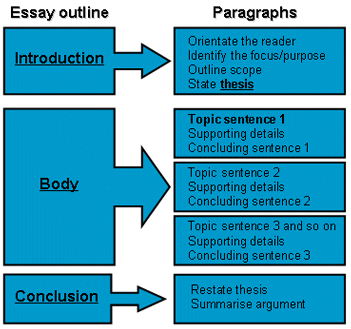
    This is something that we stress enough not just for IB Economics but for every single essay out there – be it an IGCSE answer or a University Application Essay. Plan your answer before you begin writing the first draft of your IA. Brainstorm all the global issues and concepts that you want to explore in the article. Then move onto the outline – set up your bullet points for the introductory paragraph, body paragraphs, and conclusion, till you’re confident that you have covered all bases in your outline.

    One issue that examiners have seen in students’ IAs is that they don’t follow a specific structure. This leads to a disorganisation of ideas, a directionless argument and ultimately a loss of marks. Even if the ideas are brilliant, if they aren’t executed and organised in a cohesive manner then the students end up losing marks. Your teacher will help you with your first draft, but once you have made the edits you don’t have another chance and your second submission is the final submission.

    This can be avoided in the beginning itself when you draw a clear and complete outline.

    Here’s an IA Example for you to understand the outline.

    At Young Scholarz this is exactly the kind of help we provide. With detailed and nuanced feedback, we have helped multiple students with their IOs and IAs.

    Note: we provide guidance and feedback for students to work on their own IAs, we don’t write their IAs for them.

    4. Include clear and concise diagrams

    Diagram

    First – know your diagrams through and through. You don’t need to be an artist to impress the examiner. You need to get all facts right and relevant to your IA. Diagrams are the heart and soul of IB Economics – so you need to sell it to the best of your abilities.

    You should not include more than 2 diagrams in your essay. Make sure that you have given sufficient explanation for the ones you include, and provide all the necessary information needed on the graphs. Also, use arrows, bars, and numbers on the graph. Arrows are essential and integral to any diagram.

    Remember that your job is to make the examiner’s job an easy one – so put all the necessary information out there in a clear and concise manner, without having them go through anything twice, leaving them high and dry.

    Use the diagrams relevant to your IA – or create a connection between that and your topic. Don’t include a demand diagram when you’re talking about an increase in supply. These little things are in fact very important when the examiner gives you marks.

    5. Avoid technical mistakes

    Technical errors

    This is where most of the students lose their marks.

    Let’s say you forgot to attach the article to your IA commentary. Or, the cover sheet of your commentary is not attached in order. You may have forgotten to highlight the important parts of your commentary, leaving the examiner in a scramble to go through the entire commentary – something which they may not do at all and miss out on the crucial points. These kinds of errors get in the way of a good flow and a great IA which could otherwise be flawless.

    Remember that your commentary is only 800 words long. The examiner is not required to read that post. So, if you exceed your word limit then there’s a good chance that they will miss your conclusion – the part where all the important information is resting with a bow on top.

    Include the bibliography – don’t forget to include your bibliography especially when there are sources other than the article.

    6. Evaluate the article in a wholesome manner

    Evaluate

    This is where your IA gets most of the attention – your ability to assess and evaluate a factually sound article. 

    Make sure your evaluation has all your attention. This acronym is your guide to a proper evaluation: CLASPP:

    C – Conclusion

    L – Long-Term vs. Short-Term – Will the policy be effective in the long run?

    A – Assumptions – What economic principles are contradicted or overlooked in the article? How does this impact the proposed solution?

    S – Stakeholders – How does the article’s proposal impact different groups (consumers, producers, government)? Who gains and who loses?

    P – Priorities – What should policymakers focus on? Does the article’s proposal fit this focus?

    P – Pros & Cons – What are the pros and cons of the policy proposed in the article?

    Even if your topic focuses on 2 problems, focus only on one possible solution. You can always add the other solution as well but make sure to highlight the main solution.

    Some of the common mistakes that students make:

    1. Judgements are not made
    2. They’re made but their reasoning is incorrect
    3. The reasoning made is not satisfactory or complete

    A good way to understand how you can improve is by going through the older IB Mark Schemes for Paper 1 evaluative Questions (part b). Prioritise your arguments and don’t forget your main focus midway. Keep circling back to the main idea at the end of every body paragraph.

    To conclude,

    Remember, the key to a successful IB Economics IA lies in simplicity, clarity, and thorough analysis. By following these guidelines, you can significantly enhance the quality of your work and boost your overall grade. Don’t underestimate the power of a well-structured argument, clear diagrams, and a critical evaluation of your chosen article. With dedication and a strategic approach, you can confidently tackle this challenging task and achieve the results you desire.

    For detailed and personal guidance on not just your IB Economics IA, but also other parts of the subject, and other IB subjects, check out our courses.

    IB CAS- Young Scholarz

    Learn how to transform your hobbies into impactful CAS experiences that fulfill IB requirements and showcase your unique skills.

    Completing the CAS (Creativity, Activity, Service) requirements for the IB can be a rewarding adventure when you make it your own—and it doesn’t have to feel like a set of boxes to tick off! CAS gives you the freedom to transform your personal hobbies, interests, and unique skills into meaningful experiences. This blog will guide you through meeting CAS requirements by weaving in your hobbies instead of sticking to traditional CAS activities.

    But first, let’s break down what CAS really is.

    What is CAS?

    CAS, short for Creativity, Activity, Service, is a core part of the IB Diploma Programme, designed to help you develop personally, socially, and ethically. Here’s a quick look at what each component means:

    • Creativity: Activities that let you use your imagination, solve problems, or express yourself. Creativity can be anything from painting, photography, music, or graphic design.
    • Activity: Physical experiences that promote a healthy lifestyle, going beyond traditional sports to include anything that gets you moving, like hiking, dancing, yoga, or even skateboarding.
    • Service: Acts of kindness that benefit others. Service can range from volunteer work to self-led projects that support a cause you care about, like tutoring younger students or helping organize local events.

    Now, let’s dive into the steps for completing your CAS requirements!

    Step 1: Start With What You Love

    List out your hobbies and interests. Think outside the box: film photography, baking, yoga, painting, video editing, anything you already enjoy can potentially be a CAS experience. Here’s how to translate some of these hobbies into CAS activities:

    • Creativity: Have a passion for film photography? Document local events or start a “day in the life” photo series of your school. Are you into baking? Try experimenting with new recipes, and better yet, start a blog sharing your creations.
    • Activity: Not a fan of traditional sports? Try activities that match your lifestyle. Love exploring? Hiking is a great option. Into personal fitness? Try a group yoga challenge or virtual fitness classes.
    • Service: Small acts of service tied to your interests work perfectly. If you’re a musician, volunteer to teach younger students. Into digital art? Design posters for a local charity event.

    Step 2: Think Outside the “Activity” Box

    Activity doesn’t mean you’re limited to sports! Here are some unique, out-of-the-box ideas:

    • Organize a Hiking Group: If you enjoy the outdoors, organize a weekly hike with friends, explore local trails, and build fitness. Even if hiking isn’t an option, consider setting up an online fitness challenge where you and friends track progress and share encouragement.
    • Dance It Out: Whether you take formal classes or just have fun dancing, it’s a great way to stay active. Try organizing a dance class for friends or community members, combining Activity with Service.
    • Yoga and Mindfulness: Interested in mindfulness? Create a weekly yoga session for you and your friends. Or, if you’re confident, offer a free class for family or classmates. Teaching others not only shows growth but can double as Service.

    Step 3: Use Your Creativity to Connect with Others

    Creativity allows you to turn any artistic passion into a project that reflects you. Here’s how:

    • Music: If you play an instrument, consider forming a band with friends and playing at local events or online for charity. Alternatively, volunteer to teach beginner lessons to younger students, helping them develop their own musical skills.
    • Photography: Use your photography skills to capture moments around your school or community. You could even offer free portrait sessions and donate the earnings to charity, combining creativity with a service-oriented twist.
    • Baking: Baking fans can organize a bake sale for a local cause or even start a small recipe-sharing group with friends. Imagine a weekend “bake-off” where you all make themed treats and donate proceeds to charity. Not only is this fun, but it also turns your passion into meaningful community engagement.

    Step 4: Get Creative With Service

    For Service, find ways to apply your strengths for others’ benefit. Even small projects can make a big impact!

    • Tutoring Younger Students: If you’re strong in certain subjects, offer tutoring sessions. Younger students often appreciate one-on-one help, and you can set up a weekly online session or small study group.
    • Helping Animals: Animal lover? Volunteer at a local shelter, or help neighbors with pet walking or pet care. You could even run a small donation drive to gather pet supplies for local shelters.
    • Organize Virtual Events: Love hosting? Consider putting together a virtual talent show, quiz night, or workshop on one of your hobbies, like photography or drawing. This can bring people together and create a community feel.

    Step 5: Reflect Regularly

    Reflection is a core part of CAS, helping you document growth and learning. Think of reflection like a personal blog where you share insights rather than a school task. Here’s an idea: after each experience, ask yourself what you learned, what challenges you faced, and what surprised you. Did organizing a bake sale teach you about time management? Did leading a yoga session build your confidence? These are the moments CAS supervisors love to see.

    Step 6: Use the CAS Project to Make a Real Impact

    The CAS project requires planning and provides a chance to create something meaningful. Here’s where you can go big:

    • Collaborative Film Project: If you’re into video editing or filmmaking, gather friends to create a documentary about a local issue, like environmental initiatives or community efforts. It’s a creative and impactful way to bring attention to something you care about.
    • Art Showcase for Charity: If you have artistic friends, organize an online art showcase or auction. Proceeds can go toward a charity, and you get the experience of curating an event.
    • School Beautification Project: If you’re artistically inclined, propose a mural or beautification project for your school. A group could work together to paint, plant, or design a space, leaving a positive impact.

    CAS Is All About You

    And that’s it…

    Remember, CAS is about you: your growth, skills, and the difference you make in the world. When you let CAS become an extension of yourself, it doesn’t just become easier—it becomes fun, fulfilling, and memorable. Plus, you’ll gain lifelong memories, skills, and maybe even new passions. So, dive in, enjoy, and watch CAS transform into one of the most meaningful parts of your IB journey.

    If you need help with the CAS, consider checking out Young Scholarz. We specialize in providing expert guidance and support to students, equipping you with the essential tools for academic success. Whether you need assistance with skill development, concept clarification, literature analysis, or exam preparation, our experienced team offers personalized guidance to enhance your learning journey. For updates and tips, follow us on Instagram: @youngscholarz.

    This title is clickbait, and we’re guilty! But don’t be disheartened, we do offer courses on the much-coveted IB Extended Essay, but it’s definitely not a crash course. This blog post, however, is a crash-course on understanding the EE. So for beginners, this should be a helpful read if you’re new to the IBDP World.

    As an IB Diploma student, the Extended Essay (EE) is a significant undertaking. It’s an independent research project that allows you to explore a topic of your choice in depth. While it can be challenging, the rewards are immense. It’s a great opportunity to develop your research, writing, and critical thinking skills.

    In this blog post, we will provide you with 7 tips to help you navigate the EE process successfully.

    But First,

    What is the Extended Essay?

    A core component of the International Baccalaureate (IB) Diploma Program – it’s designed to give students a taste of independent research and academic writing. Essentially, it’s a 4,000-word research paper on a topic of your choice within one of the subjects you’re studying.

    Choosing the right topic is crucial. It should be something you’re passionate about and genuinely interested in exploring further. Trust me, you don’t want to be stuck with a topic that bores you to tears halfway through the process!

    It helps you not just with your overall IBDP Score, but the sheer amount of reading, writing, editing, and reflecting helps you learn how to think and analyse information. Apart from these, it teaches you the importance of time management.

    These are skills which run beyond academics and help further in life.

    The Importance of the EE 

    The Extended Essay (EE) is key to the IB Diploma Programme (IBDP) score, contributing up to three points when combined with the Theory of Knowledge (TOK) assessment. A strong EE score can elevate a student’s overall IB results, providing a valuable boost for achieving a higher diploma score. This can be especially impactful for meeting university requirements or standing out in competitive admissions.

    What Role does the EE Play in University Applications:

    The Extended Essay (EE) strengthens university applications by showcasing a student’s research, critical thinking, and writing skills. It reflects intellectual curiosity, discipline, and an ability to handle complex, independent projects—qualities valued in higher education. Through the EE, admissions officers gain insight into a student’s academic readiness and passion for learning, making it a valuable asset for demonstrating preparedness for the challenges of university-level study.

    Here are a few tips which would help you get started:

    1. Choose a Topic You Love—But Stay Focused

    The first step to a great EE is selecting a topic that genuinely interests you. Think about it—you’ll be working on this paper for a long time, so you want to enjoy the process. Whether it’s exploring the environmental impacts of urbanisation or delving into the psychological aspects of memory, make sure your topic sparks curiosity in you first, before appealing to an examiner.

    Having said that, keep in mind that your passion needs to be balanced with practicality. Your topic should be focused enough to allow you to explore it in depth, but not so niche that you struggle to find research material. For example, “The Effects of Climate Change on Urban Areas” could be narrowed to “The Impact of Rising Sea Levels on Coastal Cities.” A manageable, researchable topic will make the entire process smoother.

    2. Start with a Strong Research Question

    Your research question is the backbone of your essay—it guides your investigation and helps you stay on course. A good research question is concise, clear, and focused. Think of it as the GPS for your essay; without it, you risk veering off track.

    For instance, instead of asking “What are the effects of social media on teenagers?” a more focused question would be, “How does social media usage affect self-esteem in teenagers in urban settings?” The narrower and more precise your question, the easier it will be to stay within the word limit and provide a well-rounded argument. Make sure that your title is not long-winded and is easy to read.

    3. Work Closely with Your Advisor

    One of the best resources available to you during the EE process is your advisor. They’re there to guide you, provide feedback, and keep you motivated. In fact, IB requires students to meet with their advisors at least three times throughout the process. These reflection sessions are crucial for staying on track.

    A great advisor will challenge your ideas, push you to refine your research question, and ensure you’re producing your best work. It’s a collaborative effort, so don’t be afraid to ask questions or seek clarification if something isn’t clear. Choose an advisor who is familiar with your subject area and who you feel comfortable working with—it makes a world of difference.

    Your advisor would most likely be a school teacher, but if you need extra guidance, you can always reach out to Young Scholarz and seek detailed, nuanced feedback while building your EE.

    4. Build a Detailed Outline

    When it comes to writing your EE, structure is your best friend. A well-structured essay is not only easier to write, but it also makes your argument more coherent and easier for examiners to follow. Break down your essay into sections and subsections, and include key points and evidence. Start with an introduction where you clearly state your research question and provide context for your investigation.

    Next, your methodology section should outline how you’re approaching the research. Did you conduct interviews? Use existing literature? Rely on observational data? Make sure your methodology is clear so the examiner knows how you gathered and analysed your information.

    In the main body of the essay, you’ll present your findings, analysis, and argument. Each paragraph should build logically on the previous one, with clear topic sentences that guide the reader through your points. And finally, your conclusion should wrap everything up neatly—no new information here, just a concise summary of your key points.

    At Young Scholarz, we don’t just understand the importance of structure and planning, but we’ve heavily integrated it into our teaching methodology – BOUNCE™.

    5. Be Critical and Analytical, Not Just Descriptive

    One common mistake students make is being too descriptive in their essays. Remember, the IB values critical thinking, so don’t just tell your readers what you found—tell them why it matters. This is where your analytical skills come in.

    For example, if your EE is on the topic of renewable energy sources, don’t just describe the benefits of solar power. Dig deeper and ask questions like, “What are the economic barriers preventing widespread adoption of solar energy in developing countries?” or “How does government policy impact the use of renewable resources in rural areas?” This kind of analysis will showcase your ability to think critically and make connections between different pieces of information.

    Also focus on quality rather than quantity. The quality of your EE depends heavily on the quality of your research. Utilise a variety of sources, including books, articles, websites, and primary sources. Make sure that you evaluate the credibility of your sources and cite them properly.

    6. Don’t Underestimate the Power of Editing

    Once you’ve written your first draft, the real work begins. Editing is not just about fixing typos or grammar mistakes—it’s about refining your argument, ensuring clarity, and making sure your essay flows logically from one section to the next.

    Set aside time to revise multiple drafts, and don’t be afraid to make significant changes if necessary. If something isn’t working, now’s the time to fix it. Consider asking a friend, family member, or even a classmate to read your essay and give feedback. Sometimes, a fresh pair of eyes can catch things you’ve overlooked. Remember, the IB examiner will read your essay with fresh eyes, so it’s important that your ideas are communicated clearly.

    Here, too, we come in with detailed and helpful feedback. Have your papers checked by us so we can help you improve your errors and work up a great essay for the examiner to read.

    Note: We don’t write EEs for you, but we definitely help you make it better!

    7. Master the Art of Time Management

    The Extended Essay is not a last-minute project. You’ve got two years to complete it, and the best way to avoid panic is to pace yourself. Break the EE down into manageable tasks: choose your topic, draft your research question, conduct research, write your introduction, and so on. Setting deadlines for each stage will prevent you from rushing through important sections.

    Use tools like calendars, project management apps, or even a simple to-do list to keep track of your progress. By managing your time well, you’ll avoid the stress of cramming and ensure that each section of your essay gets the attention it deserves.

    In conclusion,

    the Extended Essay is a challenging but rewarding experience. It can seem intimidating at first glance, but with careful planning, a focused research question, and consistent effort, it can become one of the most rewarding projects of your academic journey. The EE is more than just a research paper—it’s an opportunity to explore a subject you’re passionate about, develop critical thinking skills, and prepare for future academic challenges.

    So take a deep breath, dive into your research, and remember—you’ve got this! Happy writing!

    A Comprehensive Guide to ToK Essays and Exhibitions for 2025

    Explore the detailed guide to mastering ToK essays and exhibitions for 2025, with expert tips and insights.

    What is the Theory of Knowledge (ToK)?

    What is ToK?

    Theory of Knowledge (ToK) is a core component of the IB Diploma Programme. It encourages students to explore how we acquire knowledge and to reflect on the processes behind it. Rather than focusing on learning new facts, ToK asks you to think critically about how knowledge is constructed in areas such as science, history, ethics, and art. It also considers how different ways of knowing—like reason, emotion, and language—shape our understanding.

    The ToK Essay: May 2025 Titles

    ToK May 2025

    For the ToK essay, you will need to choose from six prescribed titles, each challenging you to examine knowledge issues through different Areas of Knowledge (AOKs) and Ways of Knowing (WOKs). These titles push you to analyze how knowledge is formed, challenged, or valued. Below are the titles for the May 2025 essay:

    • “Are some types of knowledge more useful than others?”
    • “Does the pursuit of knowledge always require a justification of methods?”
    • “Do values shape how knowledge is produced?”
    • “Can there be knowledge that is independent of language?”
    • “Is bias inevitable in the production of knowledge?”
    • “Does knowledge change over time or simply accumulate?”

    Breaking Down the Titles

    Breaking down ToK 2025 titles

    Title 1: “Are some types of knowledge more useful than others?”

    This question asks you to compare the usefulness of different types of knowledge. While scientific knowledge might seem most practical (think medicine or technology), arts and history play essential roles in shaping societies and personal perspectives.

    Example: While medical knowledge saves lives, historical knowledge helps prevent past mistakes from being repeated. Is one more useful than the other? It depends on the context.

    Tip: Define “usefulness” from multiple angles—societal, ethical, or personal—to provide a comprehensive response.

    Title 2: “Does the pursuit of knowledge always require a justification of methods?”

    Here, you’ll explore whether methods of gaining knowledge always need to be justified. For instance, in science, methods must be thoroughly explained, but in art, does creativity need the same kind of justification?

    Example: A scientific experiment requires methodical justification, while an artist may create intuitively without needing to explain their process.

    Tip: Compare areas like science, where methods are rigorously justified, with others like art, where intuition may be sufficient.

    Title 3: “Do values shape how knowledge is produced?”

    This title explores how cultural, societal, and personal values influence the production of knowledge. Ethical considerations can impact scientific research, while historical narratives often reflect national or cultural values.

    Example: Ethical values guide research in genetics, and cultural values shape which historical events we study.

    Tip: Examine how values limit or influence knowledge production in different areas, such as science or history.

    Title 4: “Can there be knowledge that is independent of language?”

    This question asks whether knowledge can exist without language. While visual or mathematical knowledge might not need words, how do we share and interpret these ideas without language?

    Example: Mathematical equations might seem independent of language, but we use words and symbols to explain them.

    Tip: Consider areas like art or mathematics where language seems less necessary, but question whether true knowledge can exist without it.

    Title 5: “Is bias inevitable in the production of knowledge?”

    Every individual’s background, culture, and beliefs can introduce bias into knowledge production. While scientists aim for objectivity, even in their field, societal factors can influence the research questions they pursue.

    Example: Historians often interpret events through their own lens, while scientists strive to reduce bias through peer review.

    Tip: Investigate how bias affects different areas of knowledge and whether it can truly be eliminated.

    Title 6: “Does knowledge change over time or simply accumulate?”

    This title asks whether knowledge evolves or just builds on previous discoveries. In science, new knowledge often accumulates, while in history and ethics, our understanding may change entirely with new perspectives.

    Example: Medicine builds on past discoveries, while historical knowledge may change with fresh interpretations of past events.

    Tip: Show how knowledge evolves in some fields and accumulates in others. Discuss what drives these changes, such as new evidence or shifts in societal values.

    Tips for Writing the ToK Essay

    ToK 2025 quick tips.
    • Understand Your Title: Take time to fully comprehend your chosen title, thinking deeply about what it asks.
    • Use Relevant Examples: Strong, real-world examples are crucial. They should connect directly to the AOKs you’re discussing and support your argument.
    • Stay Structured: Begin with a clear introduction, organize your ideas logically, and end with a strong conclusion.
    • Balance Perspectives: Acknowledge complexity by considering multiple viewpoints or counterarguments.
    • Add Personal Insight: Don’t hesitate to draw on your own experiences where appropriate.

    The ToK Exhibition

    ToK exhibition

    Alongside the essay, the ToK exhibition is an important component. It requires you to select real-world objects and relate them to a specific prompt. For example, you might choose a news article, a piece of art, or a scientific tool, and connect it to a ToK question like “What counts as knowledge?”

    Tips for the Exhibition:

    • Choose Objects Carefully: Ensure your objects clearly connect to the knowledge question you’re exploring.
    • Explain the Connection: Be concise and clear about how each object ties into your chosen prompt.
    • Creativity Is Good, But Relevance Is Key: Choose objects with real-world relevance and meaning to the topic.

    General ToK Tips

    • Engage with Core Questions: Always return to the central ToK questions—”How do we know?” and “What counts as knowledge?” These should guide both your essay and the exhibition.
    • Stick to the Word Limit: For the essay, keep to the 1,600-word limit. Each paragraph should contribute directly to your argument.
    • Seek Feedback: Before submitting, ask for feedback from teachers or peers. It will help you identify areas for improvement.
    • Reflect on Your Learning: Since ToK is reflective, consider how your own experiences influence your understanding of knowledge.

    By carefully analyzing the titles, selecting strong examples, and applying critical thinking, you’ll be able to excel in both the ToK essay and exhibition. Remember, ToK is less about finding the “right” answer and more about presenting well-supported arguments.

    Need extra support? Young Scholarz can help! We offer expert guidance to equip you with the tools for academic success. Whether you need help with skill development, literature analysis, or exam prep, our team is here to support your learning journey. Follow us on Instagram: @youngscholarz for tips and updates.

    These final days can make a huge difference if you know how to use them wisely. From managing time effectively to staying mentally sharp, the right last-minute moves can have a significant impact.

    You have been studying for months on how to do maths problems or read passages, and learned how to manage the essay template. With just a week­ left for the registration deadline before the exam, let us explore how you can capitalise on these last few days leading up to SAT test day. We have seen students completely change their results by adhering to some crucial yet underrated last-minute tips. Here are 7 Top Tips for SAT test day!

    1. Focus on Achieving A Calm State of Mind

    The SAT test day is tomorrow and you choose to stay up all night cramming! Sounds like a recipe for disaster. In reality, cramming can actually be quite detrimental to one’s learning. Frantic studying can only lead to more stress, as your brain needs time to absorb and organise all the things you’ve learned. None of that helps as much as a calm state of mind.

    Do a half-hour of easy revision, and then go do something else that’s fun but relaxing — watch an episode of your favourite series, play a video game (no more than one!), etc., or go for a walk. Trust your training that you have put in work. One of the most important ways to walk into the test centre level-headed and self-assured is a restful night before.

    2. Pack Your Bag The Night Before

    This is one of the easiest, however, sometimes disregarded, measures that one can take so as to attempt to eliminate a pretest anxiety. Before the SAT test day, pack everything, ranging from materials of least importance to the most. Here’s a checklist:

    • Admission Ticket: This can be printed off the college board’s website.
    • Photo ID: You’ll need something like a driver’s licence, passport or school ID.
    • #2 Pencils (5 pieces): Any type of wooden sharpened pencil.
    • Calculator: Once again, make sure all batteries are new or it is charged.
    • Watch: A dull non-smart watch to check time during examination.
    • Snack and Water: It is advisable to have a small water bottle and snack during the breaks. Don’t bring energy snacks with a lot of sugar as they will only lead to energy wastage.

    The more you prepare the night before the SAT, the less you will have to think tomorrow morning, so your brain can devote more resources to taking the test.

    3. Get a Full Night of Sleep

    This might be self-evident to some, but it is still of utmost importance. There is greater power in recharging for a night than in cramming for an examination. It has been shown that sleep aids memory retrieval and increases cognitive capacity – both significant factors in determining one’s score during the SAT. Sleeping for roughly eight hours is the ideal target, but ensure not to sleep too early for it may be difficult to actually sleep. Go on with whatever you normally do for the night before sleeping and let the room quieten with soft music; or read a book. Oh, and, don’t use screens at all.

    4. Wake Up and Get Moving

    It is important to set the alarm clock to an earlier time and allow adequate dosage to awaken fully. Waking up early and preparing oneself for the SAT exam is very important as the test requires a continuous active engagement of one’s brain. For that reason, every single one of you wants to be as sharp and as ready as possible at the beginning.

    Doing a few quick exercises the first thing in the morning is ideal – jumping jacks, squats – anything that gets the heart pumping. This type of stimulation is important as it sends blood to the brain, ensuring a useful brain when doing the test. Take a quick shower to refresh and rejuvenize too.

    5. Eat a Brain-Boosting Breakfast

    Breakfast on SAT day can completely change the attitude of that student for the rest of the day. You must focus on having something healthy, and sufficiently satisfying in order to remain alert and not too sluggish. Go for whole grains, protein, and fruits, oatmeal, eggs or even yoghurt with berries and granola. Avoid filling yourself with sugar filled cereals and doughnuts; they can offer a quick thrill, and leave one with much crashing in the middle of the test.

    And here’s a useful piece of advice: do not change your habitual usage. For instance, when on the test, if you are used to having coffee or tea, then ensure that’s within the limits of ‘normal’, but do not try something new regarding food and beverage on this day. Any new beverage would be full of surprises and set you off your course.


    6. Arrive Early and Settle In

    Make sure to allow yourself enough time to reach the testing centre. Try to get there 45 minutes before the test time so you can be more chill and not run at the last minute. Need to drive? If you are not familiar with the place, do a practice drive a few days before that can give you an idea how much time it will take.

    Upon your arrival, you should locate a quiet place to sit. Avoid talking about the test with classmates if those conversations are stressful. Take the time to breathe, stretch for a minute or even just roll through your mind a few pieces of calming motivational mantras. Remind yourself that you’ve prepared for this, and now is the time to stay focused and positive.

    7. During the Test: Strategic Thinking 

    Feeling the pressure for test day? Don’t worry, you’re not alone. The SAT can be tough, but with the right strategy, you can conquer it. Here are some tips to help you stay focused and maximise your score:

    • Don’t get stuck: Remember, every question is worth the same point. If you’re struggling with one, move on and come back to it later.
    • Start with the easy ones: Build your confidence by tackling questions you know you can answer first. This will give you momentum for the tougher ones.
    • Guess wisely: Even if you’re not sure, guess! There’s no penalty for incorrect answers, so take an educated guess rather than leaving questions blank.
    • Stay focused during breaks: Use your breaks to recharge, but avoid talking about the test. This will help you stay in the zone.
    • Double-check your work: If you finish a section early, go back and review your answers. Make sure you’ve answered the question correctly and that your answers are supported by evidence (especially in reading).

    Remember, the SAT is just one step in your journey. Your hard work and dedication matter more than any single test. So take a deep breath, stay positive, and believe in yourself. You’ve got this!

    Empowering students with personalised learning and expert guidance, Young Scholarz helps unlock academic potential and achieve your dream college goals.

    Sign up for SAT English and SAT Mathematics, in time for test day! Seeking help for university and beyond? We’ve got your covered.

    For solo and group sessions, register at Young Scholarz for a smooth learning experience.

    Discover a comprehensive guide to scholarships categorized by community and country, helping you find the perfect financial aid for your education goals.

    Securing a scholarship can significantly ease the financial burden of higher education, offering opportunities to pursue academic goals without the heavy cost. Whether you qualify based on academic merit, financial need, or community involvement, many scholarships cater to specific countries, communities, and fields of study. Here’s a comprehensive guide to help you navigate the process, including key dates for 2024–2025.

    1. Know Your Eligibility Criteria

     Know Your Eligibility Criteria- A Guide to Scholarships by Community and Country

    Start by researching scholarships that suit your qualifications. Scholarships can be awarded based on:

    • Academic Excellence
    • Extracurricular Achievements (sports, arts, leadership)
    • Financial Need
    • Community Involvement
    • Specific Demographics (gender, ethnicity, nationality, etc.)

    Understanding your eligibility will help you focus on scholarships most aligned with your background and future goals, making your application process more efficient.

    2. Scholarships by Communities

    Scholarships by Communities

    Different communities often have scholarships specifically catering to their needs and backgrounds. Here are some common examples:

    • Women in STEM: Programs like Google’s Women Techmakers Scholars Program aim to reduce the gender gap in STEM by supporting women pursuing degrees in computer science and related fields.
    • First-Generation Students: Scholarships like the Gates Scholarship provide full funding to low-income, first-generation students in the U.S. Applications for this scholarship open in July 2024.
    • LGBTQ+ Students: Scholarships like the Point Foundation Scholarship offer support to LGBTQ+ students in the U.S. who demonstrate leadership and academic excellence. Applications typically open in October 2024.
    • Ethnic Minority Scholarships: Countries often provide scholarships for ethnic minorities. For example, the UNCF Scholarships in the USA or Indigenous Education Scholarships in Australia and Canada. The Hispanic Scholarship Fund opens in December 2024 for the following academic year.

    3. Scholarships by Countries

    Scholarships by Countries

    Many governments and universities offer scholarships for both domestic and international students. Below are some country-specific scholarships, including key dates for 2024–2025:

    USAUKAustraliaIndiaCanada
    Fulbright U.S. Scholar Program: Applications for 2025–2026 will open on February 15, 2024, providing funding for graduate-level studies abroad for U.S. citizens.
    General Undergraduate Scholarships: Many U.S. universities open merit-based scholarship applications between August and October 2024 for fall 2025 intake.
    Chevening Scholarship: Applications for the 2025 intake open on August 6, 2024, and will close on November 5, 2024. Interviews for shortlisted candidates will take place from February to April 2025, and results will be announced starting in June 2025.
    Rhodes Scholarship: Applications for the prestigious Rhodes Scholarship typically open in June 2024 for studies beginning in fall 2025.
    Australia Awards Scholarship: Applications for the 2025–2026 intake are expected to open between February and April 2025, with the deadline on May 1, 2025​National Merit Scholarships: Applications for Indian programs, like the National Merit Scholarship and the Inlaks Shivdasani Foundation, generally open between March and May 2025 for the 2025–2026 academic year.Vanier Canada Graduate Scholarships: These prestigious doctoral scholarships will open in June 2025 for students planning to begin their studies in 2026.
    Lester B. Pearson International Scholarship: Applications for the 2025–2026 academic year are expected to close in November 2024 for undergraduate students at the University of Toronto

    4. Researching Application Dates

    Researching Application Dates

    One of the most crucial elements in securing a scholarship is keeping track of deadlines. Starting your research at least a year in advance ensures you have enough time to gather the necessary documents and prepare your application.

    Here are general timelines to keep in mind for 2025–2026:

    • USA Scholarships: Applications for fall intake typically open between August and October 2024.
    • UK Scholarships: Programs like Chevening open in August 2024, with deadlines in November 2024.
    • Australia Scholarships: Applications for Australia Awards generally open between February and April 2025 and close by May 1, 2025.
    • India Scholarships: Applications for both national and international scholarships typically begin around March–May 2025.
    • Canada Scholarships: Vanier CGS applications open in June 2025 for studies beginning in 2026.

    Make sure to start early and track these dates to avoid missing deadlines!

    5. Tips for Successful Applications

    Tips for Successful Applications
    • Start Early: Research deadlines well in advance, and give yourself ample time to collect transcripts, recommendation letters, and personal essays.
    • Personalize Your Applications: Tailor each application to fit the specific scholarship requirements. Ensure your personal statement reflects why you are a good candidate for that particular program.
    • Proofread Everything: Ensure that all documents are error-free. Having a mentor, teacher, or peer review your application can help catch mistakes and improve clarity.

    Final Thoughts

    While the process of applying for scholarships can be competitive, it is achievable with thorough research and proper preparation. By aligning your qualifications, background, and goals with the scholarships available and staying organized with deadlines, you maximize your chances of receiving financial support for your education.

    Good luck, and happy applying!

    If you need help selecting the right scholarships for you, consider checking out Young Scholarz. We specialize in providing expert guidance and support to students, equipping you with the essential tools for academic success. Whether you need assistance with skill development, concept clarification, literature analysis, or exam preparation, our experienced team offers personalized guidance to enhance your learning journey. For updates and tips, follow us on Instagram: @youngscholarz.

    Top Universities Offering Unique Courses that Cater to Diverse Interests

    Discover top universities offering innovative and unique courses tailored to a wide range of diverse interests and passions.

    Choosing a university or course of study is a pivotal moment in anyone’s educational journey. With the rapid growth of technology, online education, and a focus on niche disciplines, universities worldwide are offering unique courses that appeal to a wide range of interests. Whether you’re inclined towards finance, science, AI, or museum studies, there’s a course for you. Let’s dive into some of the top universities offering exceptional programs, both online and offline, that cater to specialized interests.

    1. Online Courses: Revolutionizing Education (and Its Challenges)

    In recent years, online learning has gained immense popularity, providing flexibility and accessibility to students globally. Institutions like Harvard University, MIT, and Stanford University have launched free and paid online courses, ranging from coding to philosophy, on platforms like edX and Coursera.

    However, the growing influence of Artificial Intelligence (AI) in education brings both opportunities and challenges. AI tools, while facilitating adaptive learning, personalized tutoring, and real-time feedback, can also “hamper” traditional educational approaches. For instance, reliance on AI-generated essays or homework solutions may compromise students’ critical thinking and creativity. Universities like Stanford are addressing this by offering courses that balance AI’s potential with an emphasis on human oversight, ensuring that technology enhances rather than replaces the learning process.

    2. Finance Courses: A Gateway to Global Business

    Finance remains one of the most sought-after fields of study, and top universities are offering specialized finance programs that cater to different aspects of this vast subject. The Wharton School at the University of Pennsylvania offers a world-renowned MBA program with concentrations in finance, corporate strategy, and fintech.

    For those interested in global finance and investment, the London School of Economics (LSE) provides niche courses in behavioral finance, financial economics, and even blockchain technology. LSE’s extensive list of online finance courses enables students to acquire cutting-edge knowledge, regardless of their location.

    3. Science Courses: Expanding Horizons

    From biotechnology to quantum mechanics, universities worldwide are pushing the frontiers of science education. California Institute of Technology (Caltech) is a leader in space and physical sciences, while Johns Hopkins University excels in biological research, especially in the fields of genetics and bioinformatics.

    Imperial College London offers a highly respected Global Master of Public Health program online, which covers the science behind public health initiatives, epidemiology, and advanced biostatistics—fields that have gained prominence in the post-pandemic world. Their flexible programs help professionals and students alike stay ahead of global health challenges.

    4. Unique Online Courses: Curating Knowledge in the Digital Age

    As education becomes more digital, universities are offering niche courses tailored to specific, often overlooked interests. University of Copenhagen offers an online course in Medical Anthropology, focusing on the cultural, social, and ethical issues related to healthcare.

    Similarly, the University of Edinburgh provides a unique course in Astrobiology, which explores the possibility of life beyond Earth—an intriguing subject for those curious about space sciences. These courses are not only informative but also stir deep intellectual curiosity in students globally.

    5. Offline Courses: Immersive Learning Environments

    While online education provides flexibility, some courses are best experienced in person due to the need for hands-on engagement. The University of Oxford offers a specialized Creative Writing Master’s program, where students benefit from mentorship by established authors. The interactive workshops and in-person seminars offer an irreplaceable creative exchange.

    ETH Zurich, a world leader in science and technology, provides offline, research-intensive programs in fields such as nanotechnology and AI, where students have access to cutting-edge labs and facilities.

    6. Research on Museums: A Niche but Growing Field

    For those with a passion for history, art, and curation, University College London (UCL) offers a Master’s in Museum Studies. This program not only delves into curatorial practices but also the ethical considerations in displaying and interpreting art and artifacts.

    At Harvard University, students can take courses focused on the intersection of museum studies and technology, exploring how digital tools can transform visitor experiences in modern museums.

    7. Looking for Something Niche?

    For those with unconventional interests, universities are increasingly offering programs that cater to unique fields of study. The University of British Columbia has a program in Forestry that allows students to specialize in sustainable resource management and ecosystem preservation—an increasingly critical issue.

    For lovers of fashion, Polimoda in Florence offers specialized courses in Luxury Brand Management and Fashion Design, blending traditional craftsmanship with modern business practices.

    Conclusion

    The landscape of education is more diverse than ever, offering a rich variety of courses to suit every interest and ambition. Whether you prefer the flexibility of online learning or the immersive nature of offline programs, there’s a wealth of opportunities out there. From finance and science to museum studies and beyond, the top universities of the world provide avenues for both traditional learners and those looking for something niche. Take your pick, and you could find yourself excelling in a field you’re truly passionate about!

    If you’re seeking further assistance in choosing universities, you can check out Young Scholarz. They specialize in offering expert guidance and support to students, equipping them with the essential tools for academic success. Whether you need help with skill development, clarifying concepts, literature analysis, or exam preparation, their team of experienced professionals provides personalized guidance tailored to significantly enhance your learning journey. For more updates and tips, follow them on Instagram: @youngscholarz.

    Ready to start your lifelong journey with us?

    We guarantee an improvement in grades, with most students improving by an average of 2 bands.

    Sign Up Here

    Get in touch

    Expert Tuition for Academic & Career Success

    Marina Bay Financial Centre,
    Tower 2, Level 39,
    10 Marina Boulevard,
    Singapore 018983

    +65 97829419
    info@youngscholarz.com


    Popular Searches

    • IB Courses
    • IGCSE Courses
    • SAT/ACT/GRE/GMAT Courses
    • University Admissions
    • Free IGCSE English Assessment
    • Free IB English Assessment
    • User Sitemap

    Featured In


    Copyright © 2026 Young Scholarz

    Privacy Policy | Terms & Conditions
    PHP Code Snippets Powered By : XYZScripts.com